The Trump administration is exempting electronic products such as telephones, computers and other electronic devices of reciprocal tariffs imposed on other countries, including China.
The guidelines published by the Office of Customs and Border Protection (CBP), an entity that collects tariffs on imports, indicated that approximately 20 products would be excluded from reciprocal tariffs.
Exemptions could represent a relief for consumers, facing the possibility of paying higher prices for their electronic products due to high tariffs imposed on China.
Trump announces more tariffs to China and a 90 -day break for other countries
It also represents an advantage for companies such as Apple, which manufactures many of its products in that Asian nation.
Trump has pointed out that he will impose specific tariffs by sector to products such as semiconductor chips, which means that exemption could be ephemeral in some cases.
Earlier this month, the White House announced a 10 % base tariff on foreign imports, as well as higher reciprocal tariffs for dozens of countries, including many commercial partners.
Trump later announced that the highest tariffs would be reduced to 10 % for 90 days to give time to negotiations.
China does not take answers and sets in 125 % tariffs to US products
However, this modification was not applied to China.
Trump has increased reciprocal tariffs over China to 125 %, in addition to 20 %taxes, which has caused a Beijing response.
This has increased the fears of a commercial war between the two largest economies in the world.
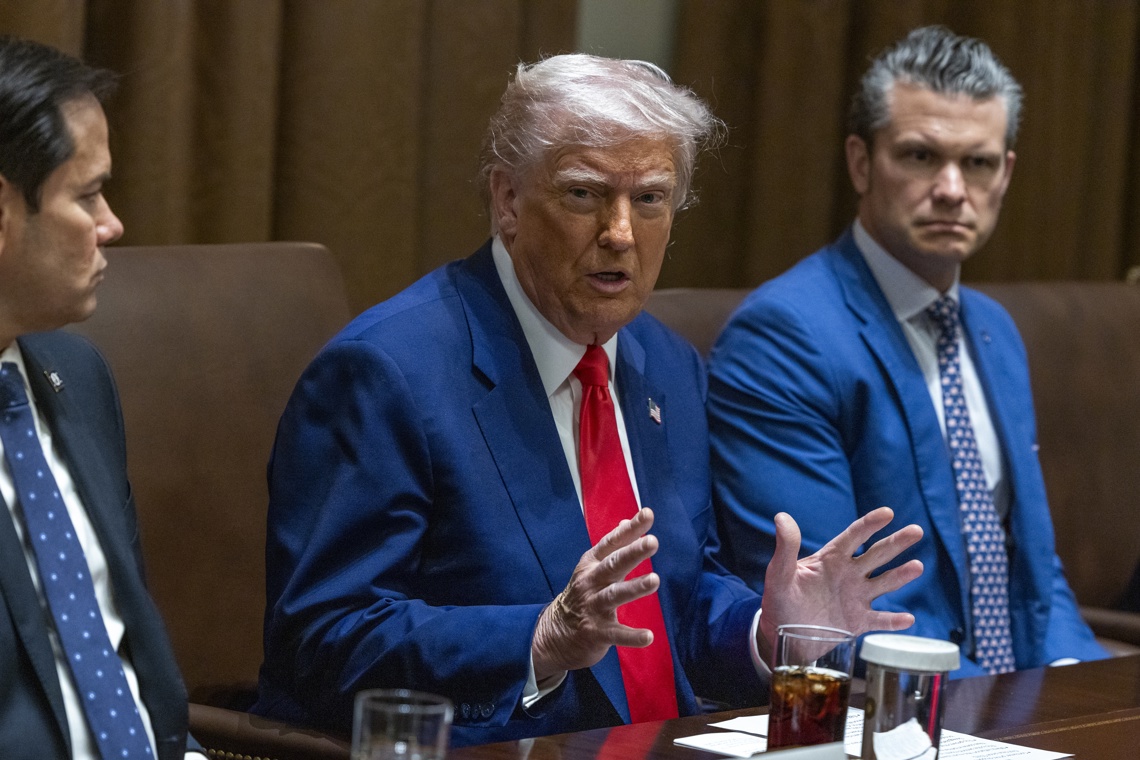
Trump declared journalists on Friday night that he was optimistic that the United States and China could reach an agreement, citing their relationship with President Xi Jinping. “I think something positive will get out of this,” Trump said.
In Beijing they ignored him.