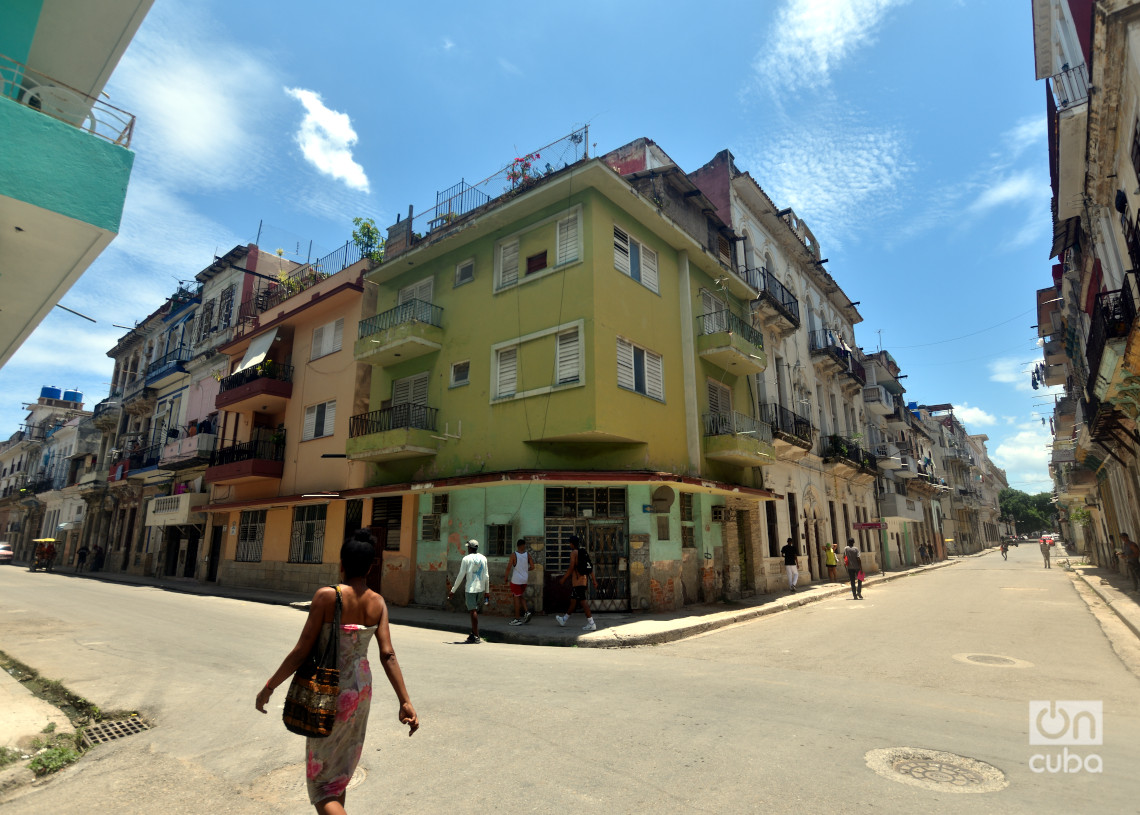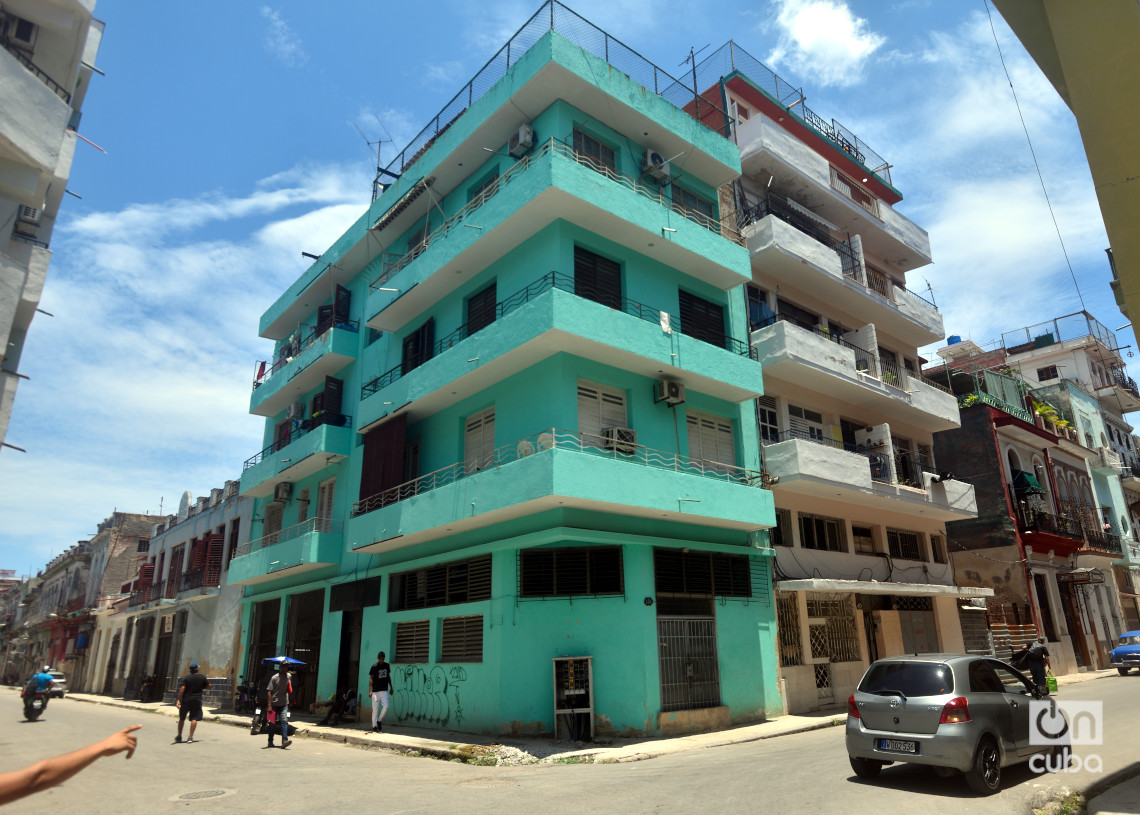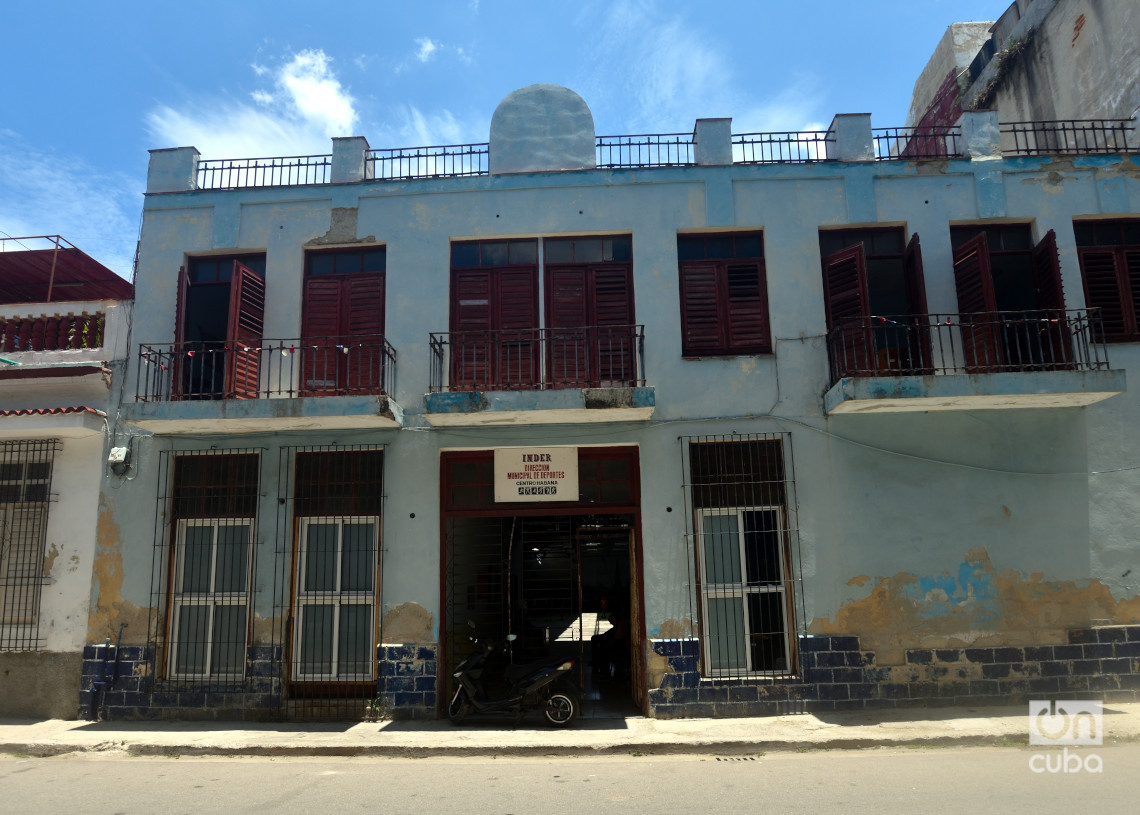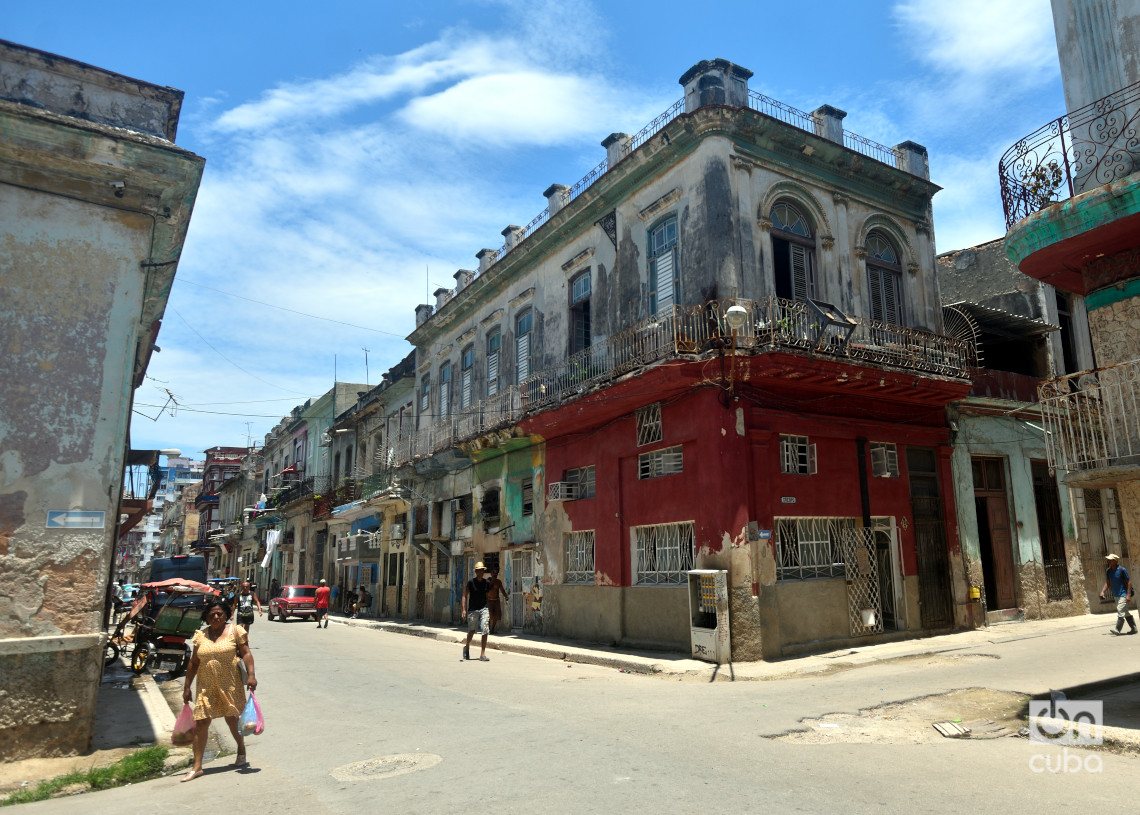
Located in the heart of The Cuban capitalmainly in the current municipality of Centro Habana, Trocadero Street is a lotor more than a simple stretch of the city. Its origin dates back to the times of the colony, when it was originally known as Lion de Oro.
His current name adopted it in 1823, after the taking of the strong Trocadero of Cádiz by the French forces, who supported the restoration of Fernando VII’s absolutist reign in Spain. Throughout its history, this central route has witnessed the gradual transformation of Havana and has become a kind of symbolic bridge between different eras and spaces of the city.
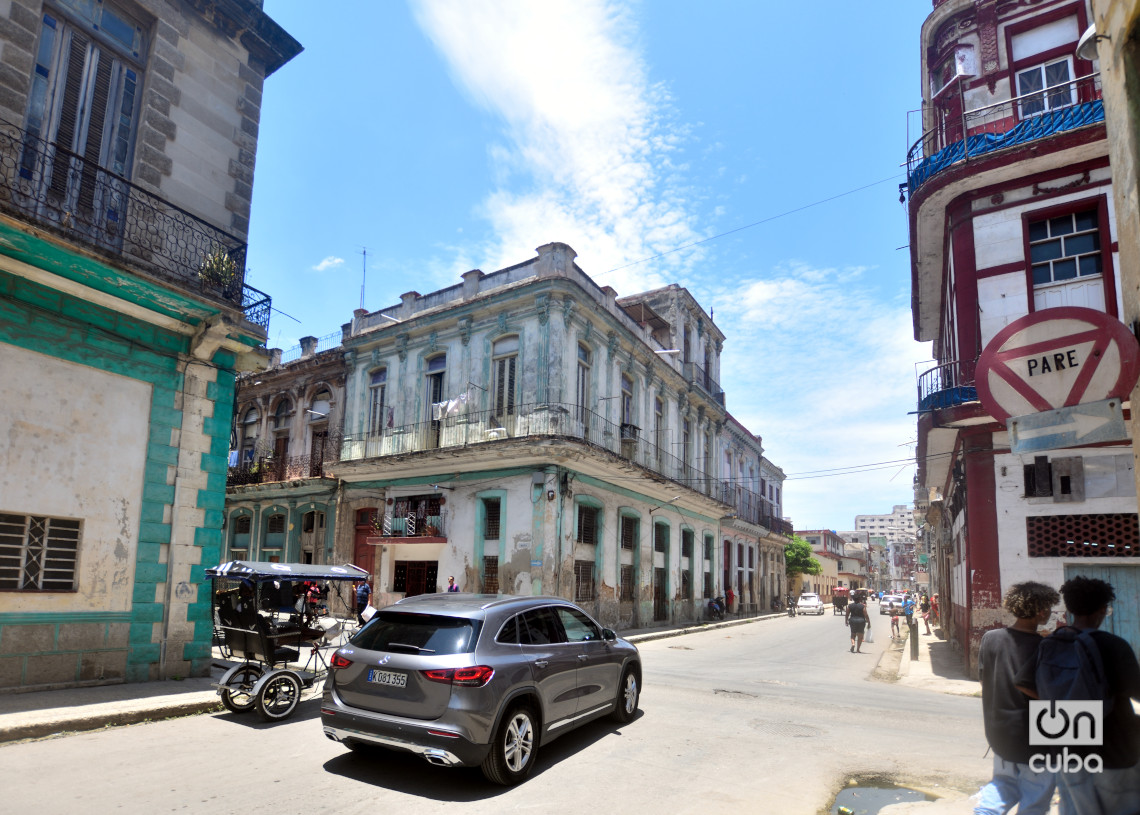
Trocadero runs between the Belgium Avenue or Monserratein the Habanero Historic Center, to San Nicolás street, very close to San Lázaro and Malecón Avenue, and crosses other important arteries such as Paseo del Prado and Galiano. In his passage through that busy area, he serves as a link – such as other parallel streets – to those who travel between Vedado and Havana Vieja.
The urban transformation of Centro Havana in the 19th and 20th century was key in the architectural profile of Trocadero. The rectilinear layout and modern paving of its streets responded to regulations of the time when the city was expanding extramurous, to leave behind the limits of the colonial environment and integrate areas before rural to the city framework.
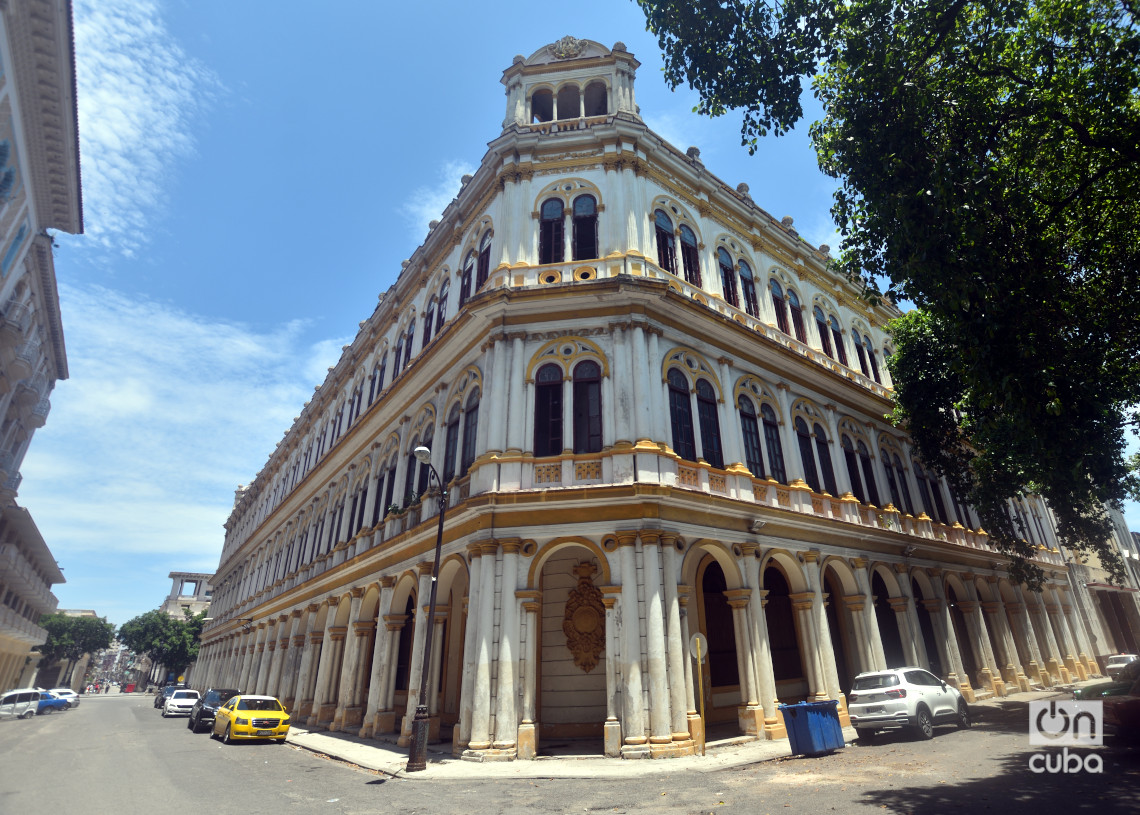
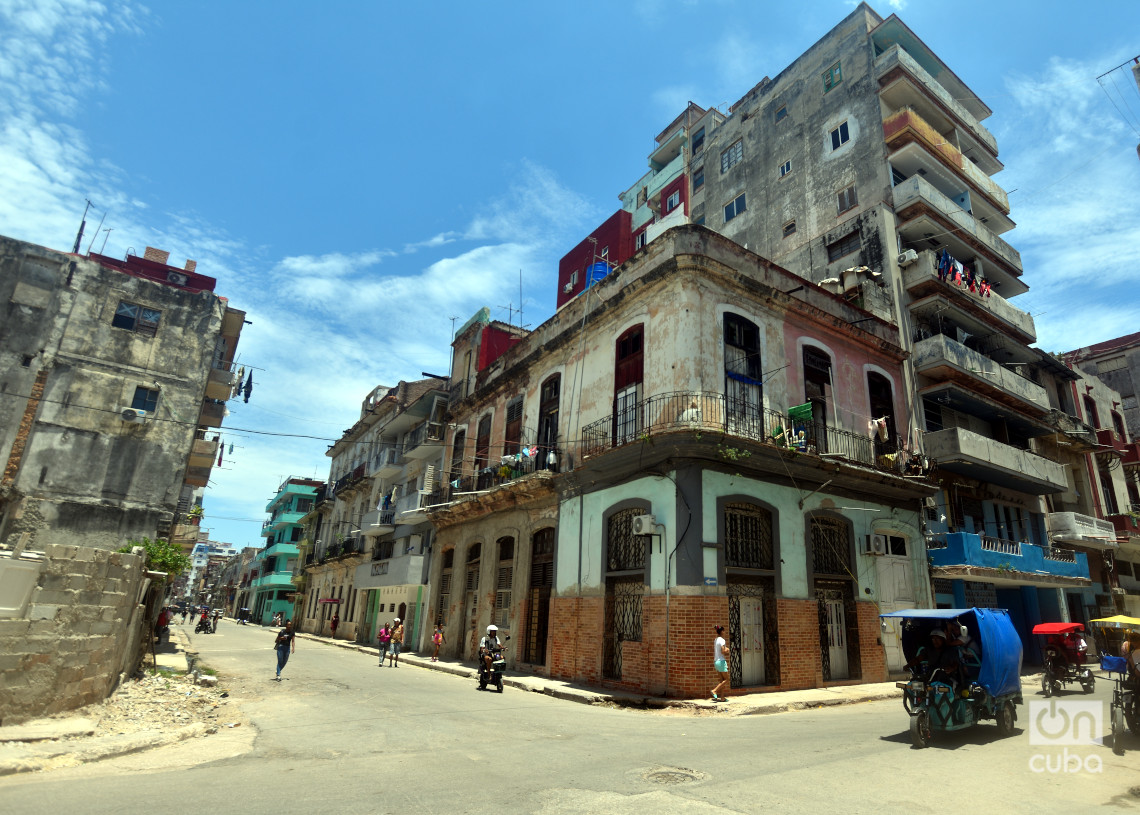
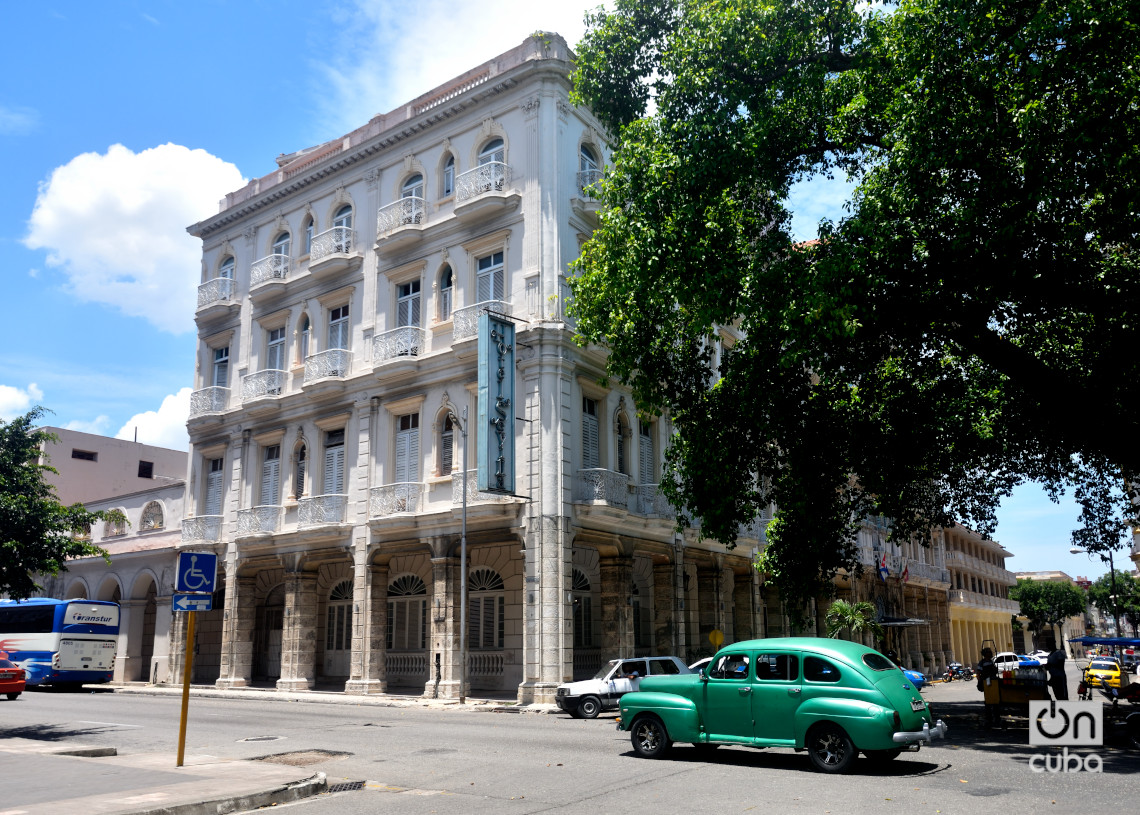
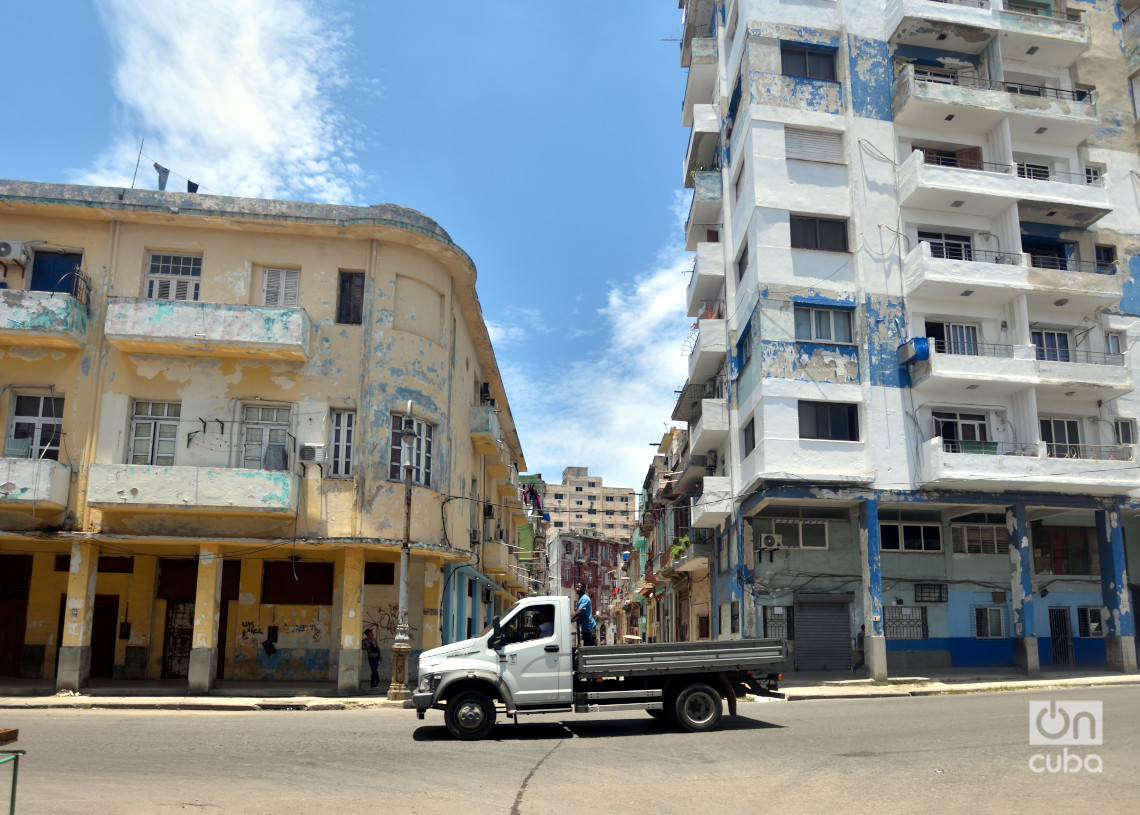
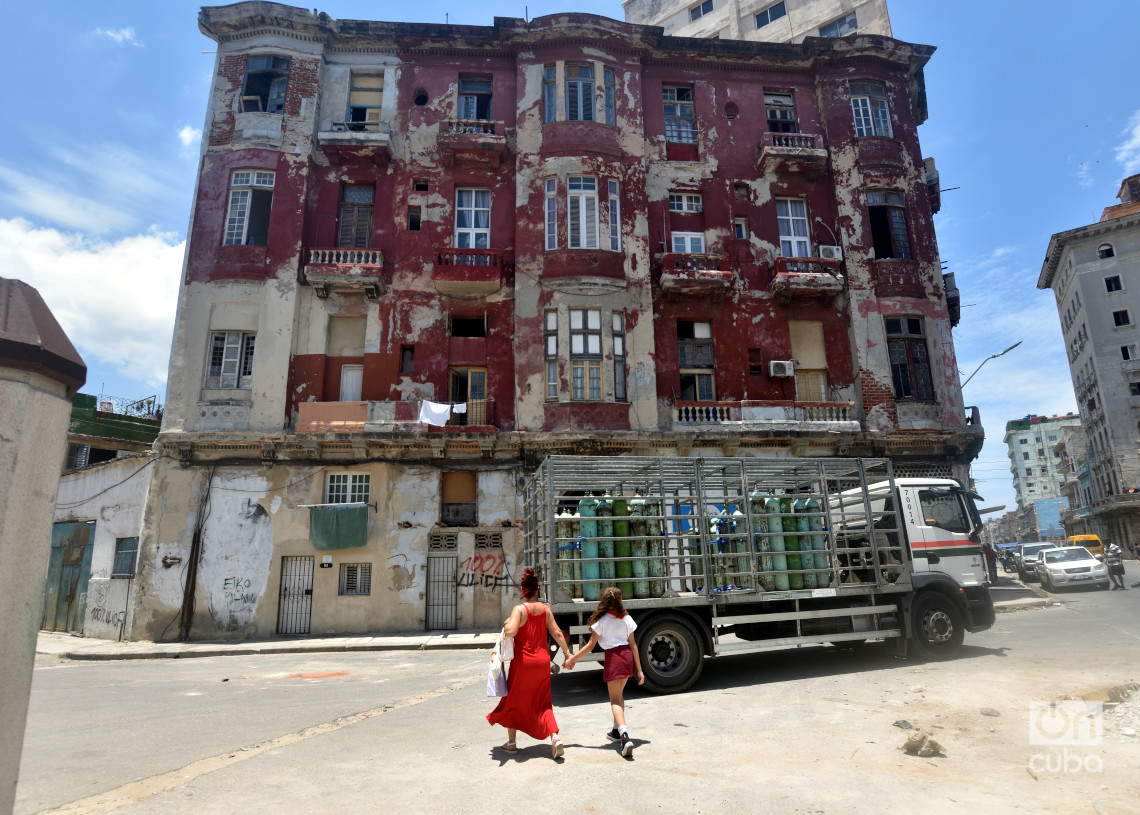
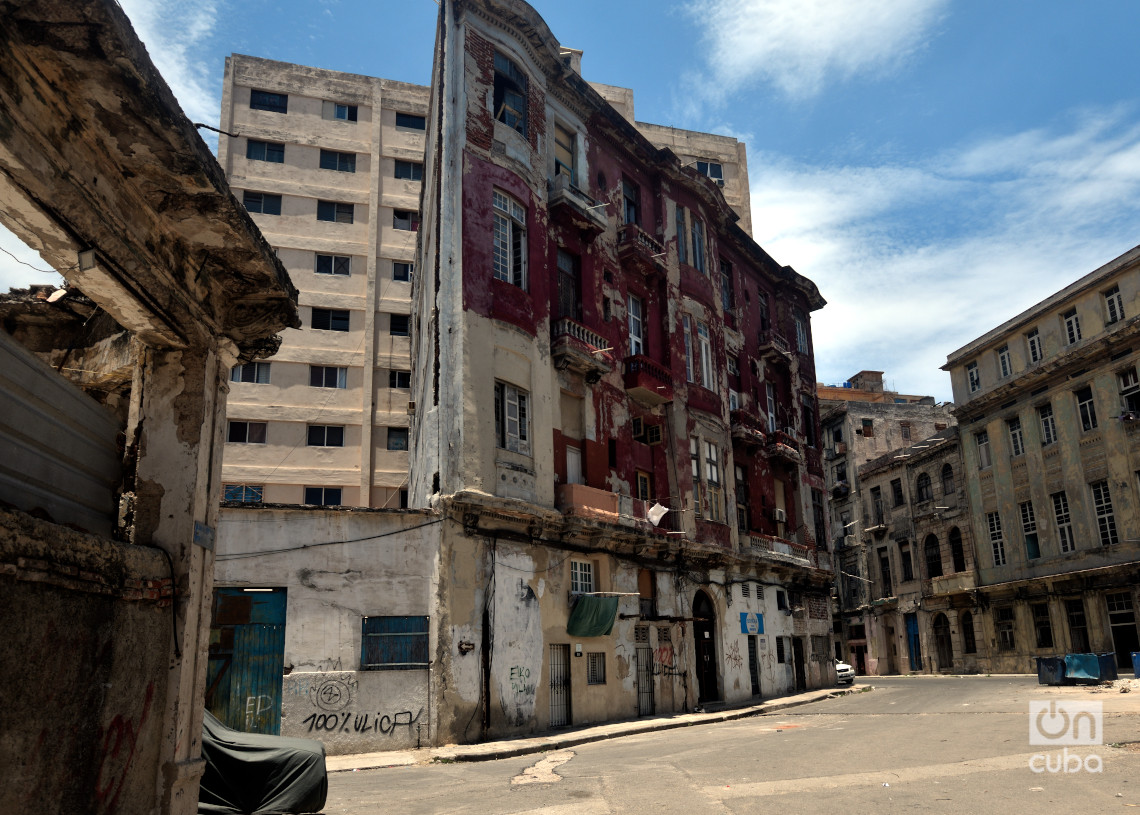
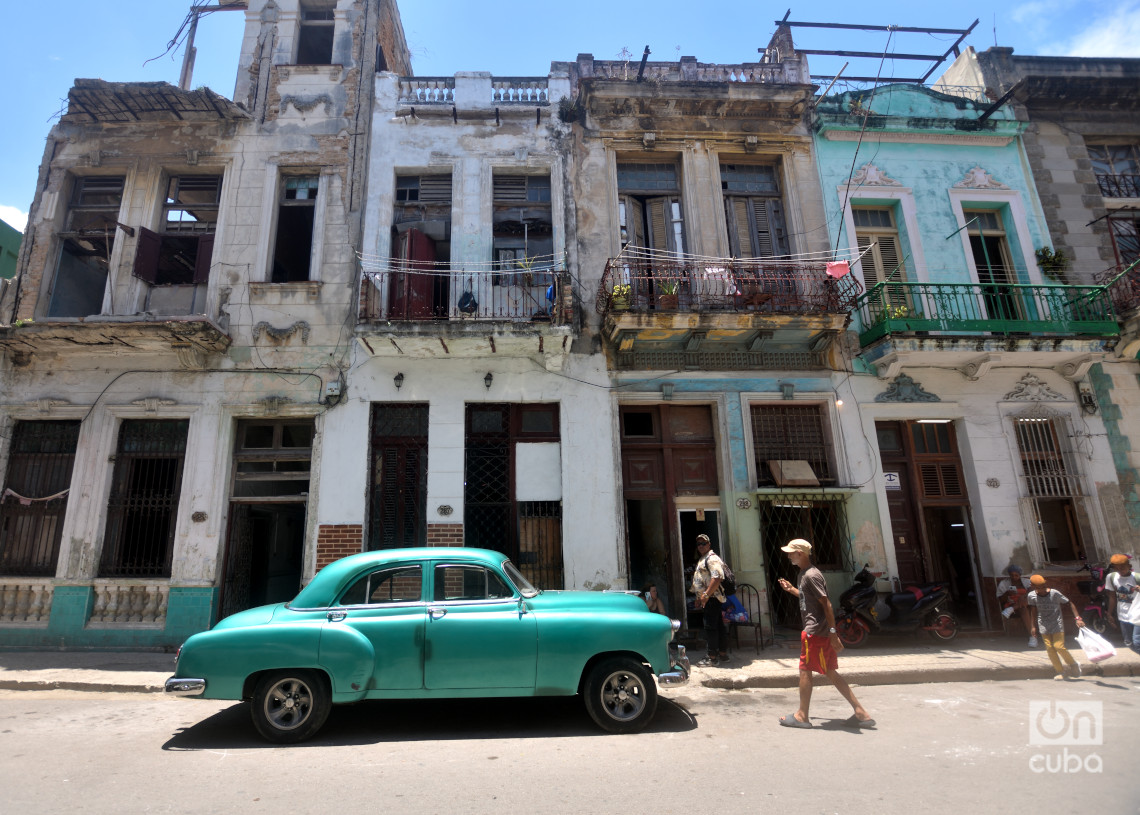
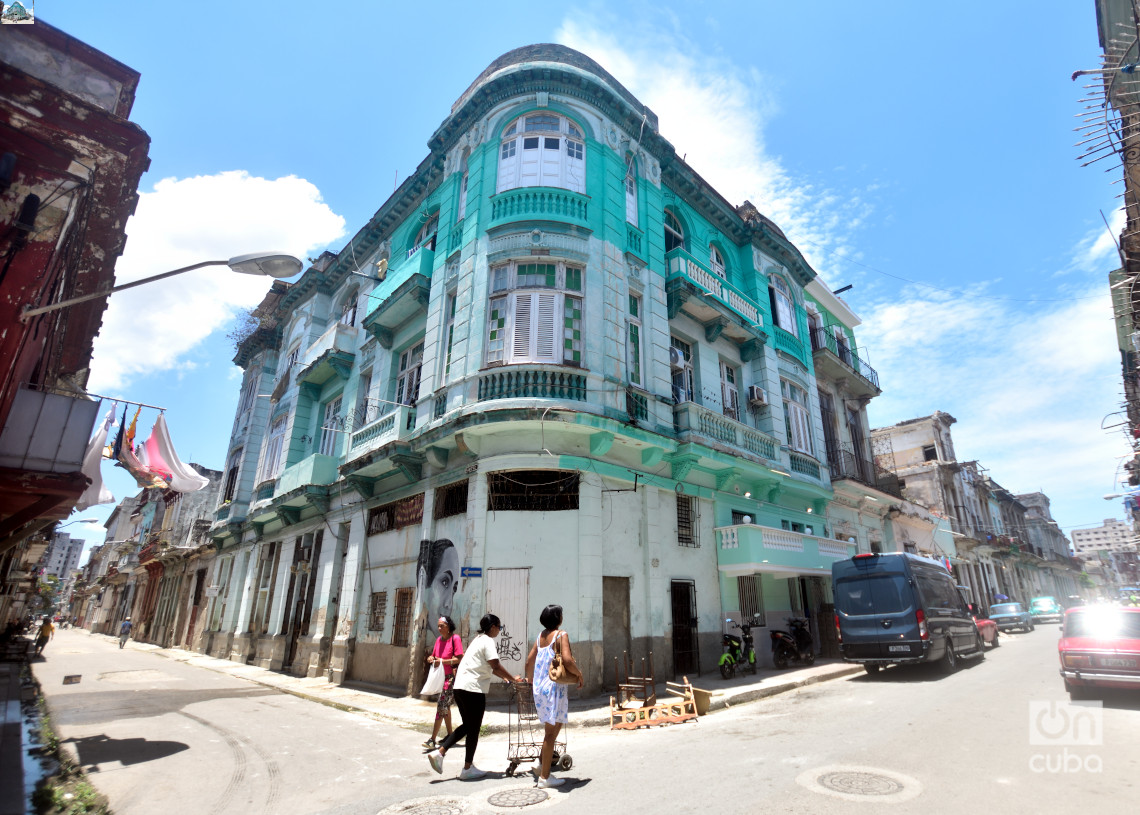
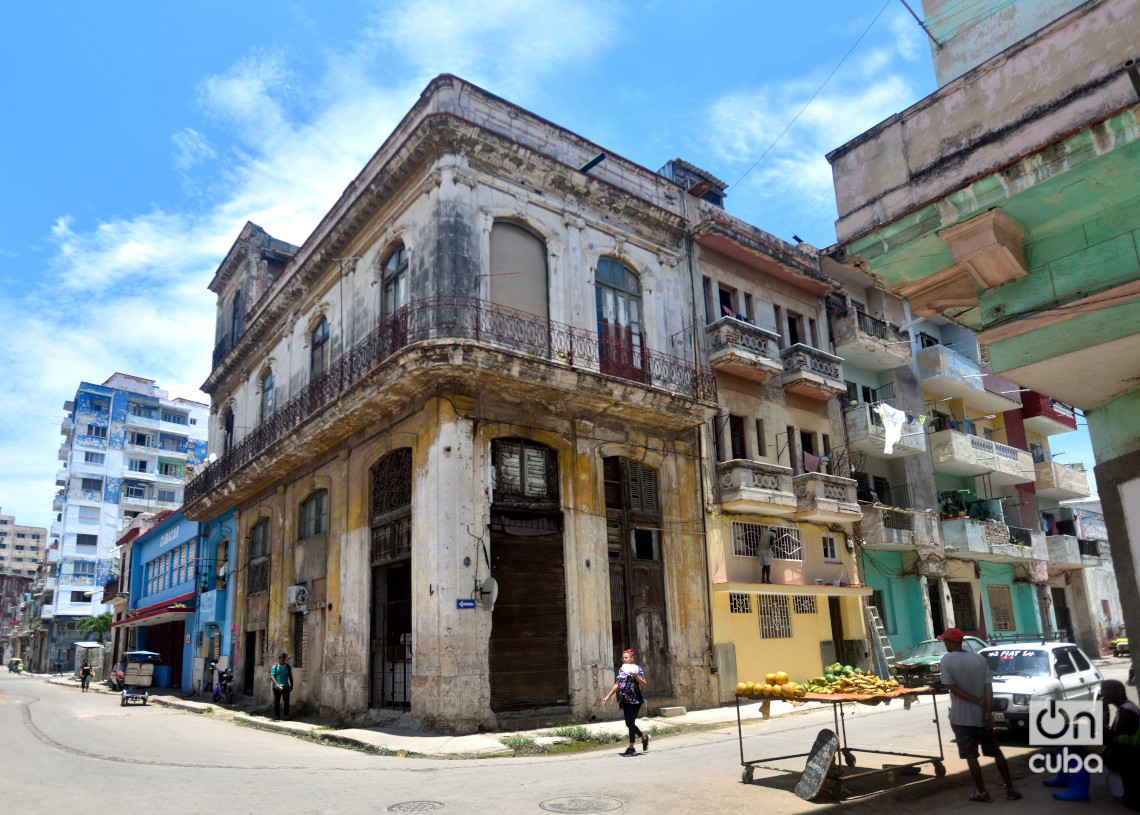
Trocadero’s architecture is a reflection of eclectic styles that marked the urban development of Havana during its expansion outside the historic center. Neoclassical portals, wrought iron balconies, interior courtyards and details Art Decó and Moriscos are among the elements that characterized their constructions, apart from renewals and subsequent decadences.
Among its emblematic buildings are the Cuban art building of the National Museum of Fine Arts, Inaugurated in 1954 on the plot of an old market; The Sevilla Hotel, one of the historical facilities of the hotel on the island, located between Prado and Zulueta streets; and the palace in which former president José Miguel Gómez lived, at the corner of Prado and Trocadero.
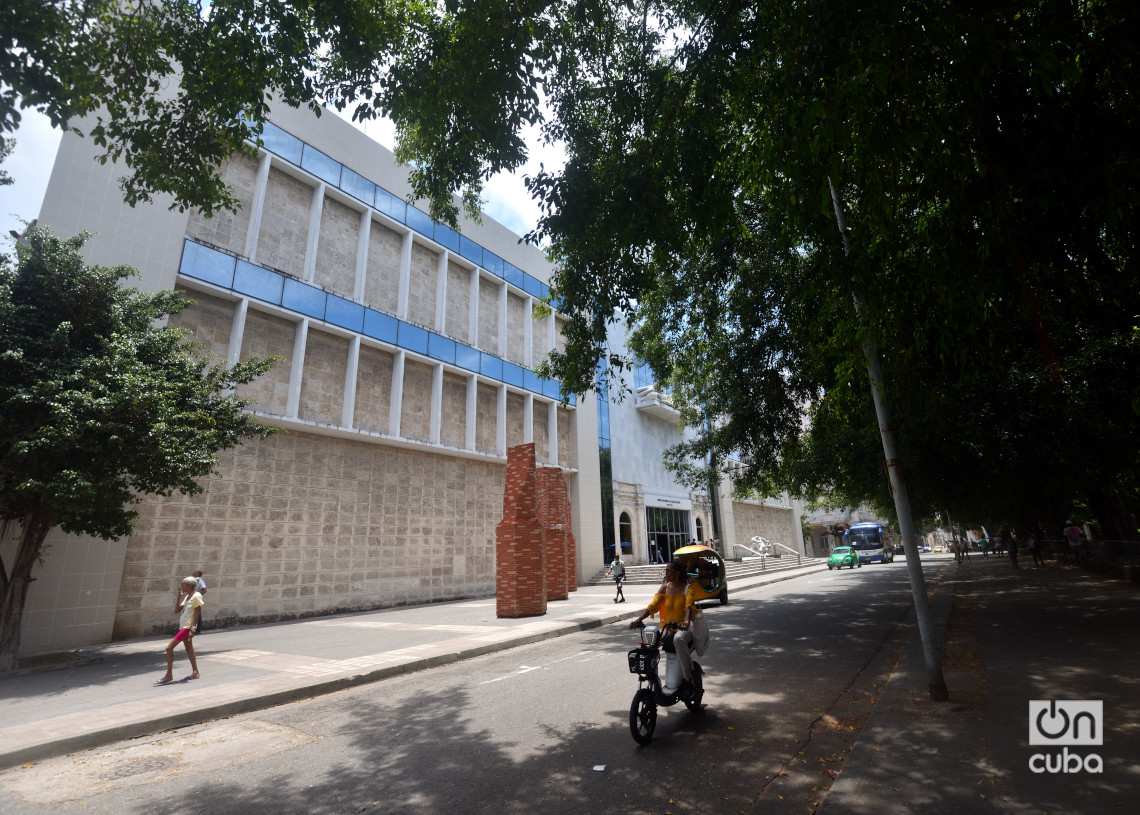
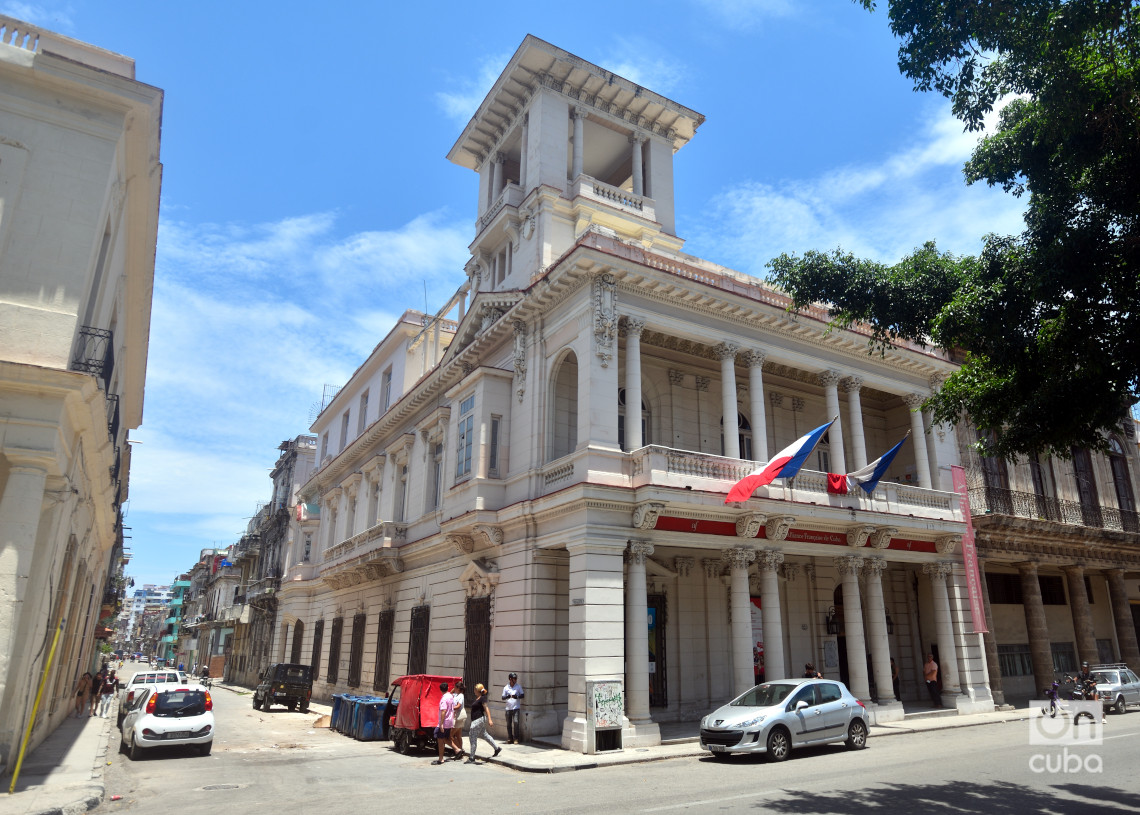
Trocadero is also known for having hosted, in his number 162, the house of the remarkable Cuban writer José Lezama Lima, then turned into a museum. The author of Paradiso He lived in it for almost five decades until his death in 1976, and there he wrote his monumental work, he received great writers and artists from all over the world and organized his famous “Lezamian gatherings”.
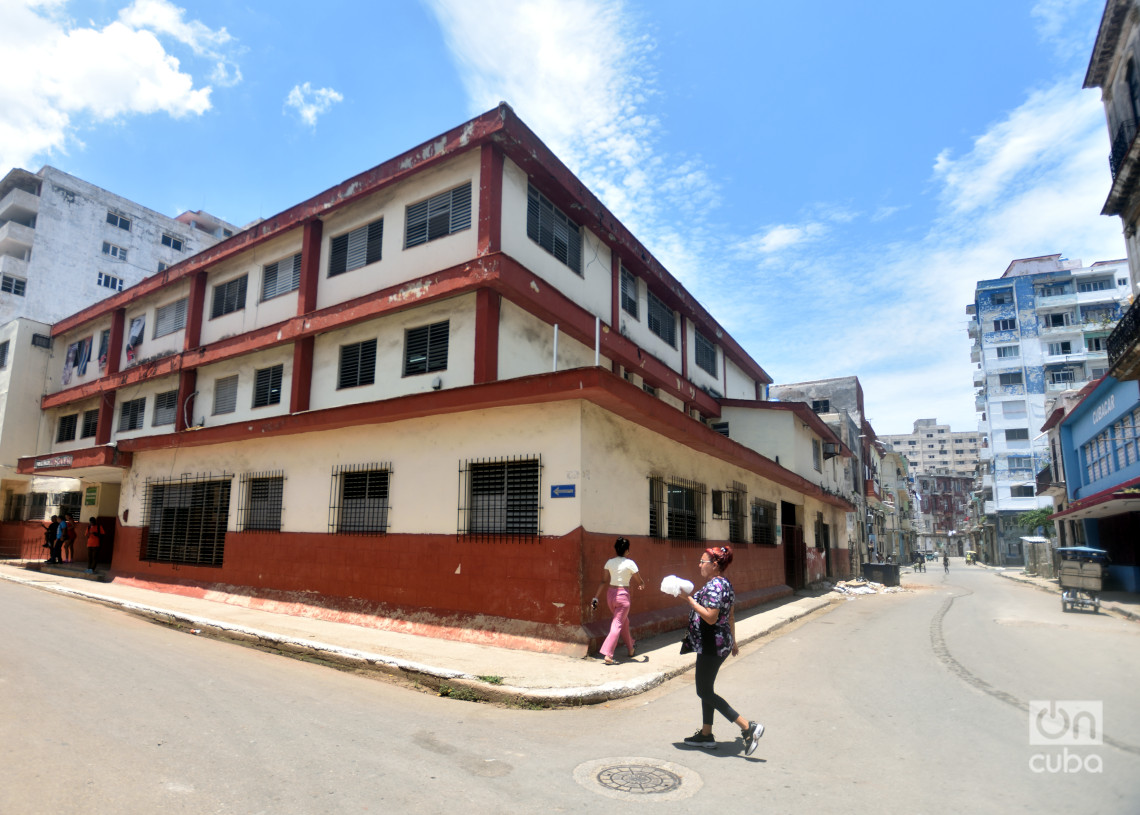
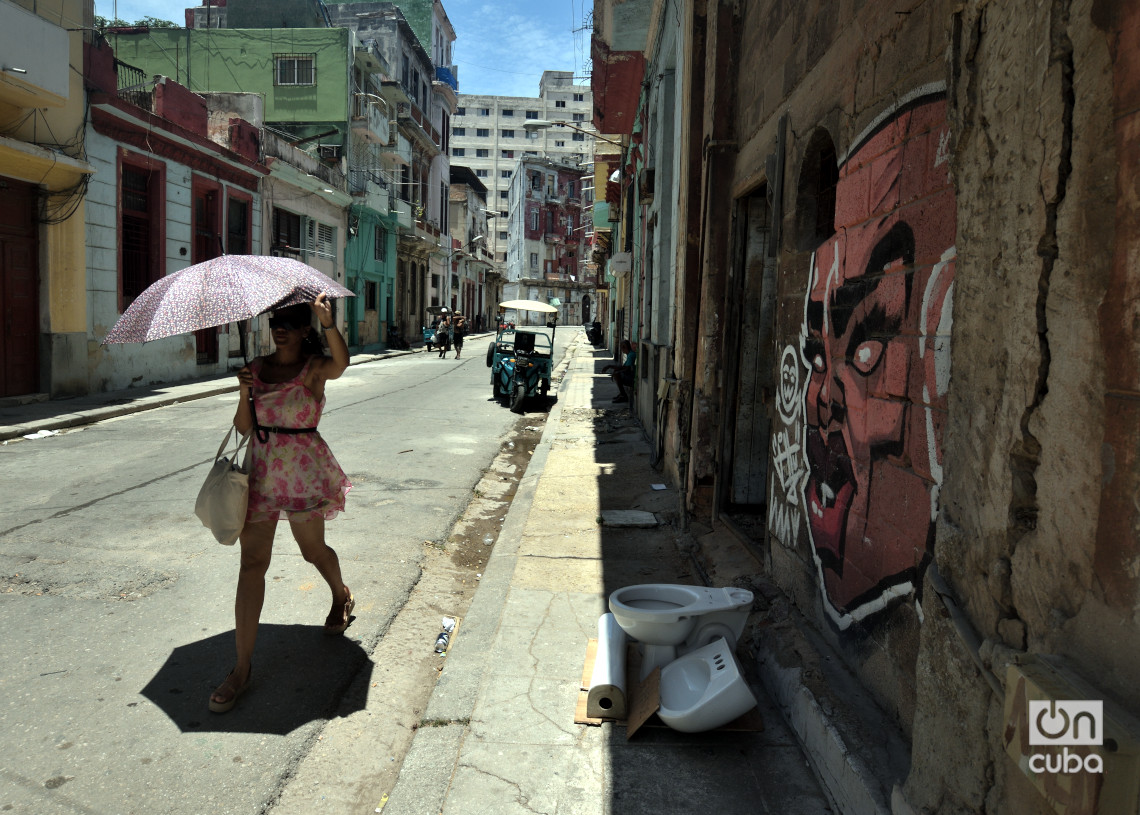
Avenida en microcosm of Havanera life, in an urban space that condenses many aspects of the capital, isIt has not escaped street – like many other sites in Havana and Cuba – to the impact of time and crises.
Thus, between perseverance and deterioration, history and present, it shows it today through its lens the photoreporter Otmaro Rodríguez.