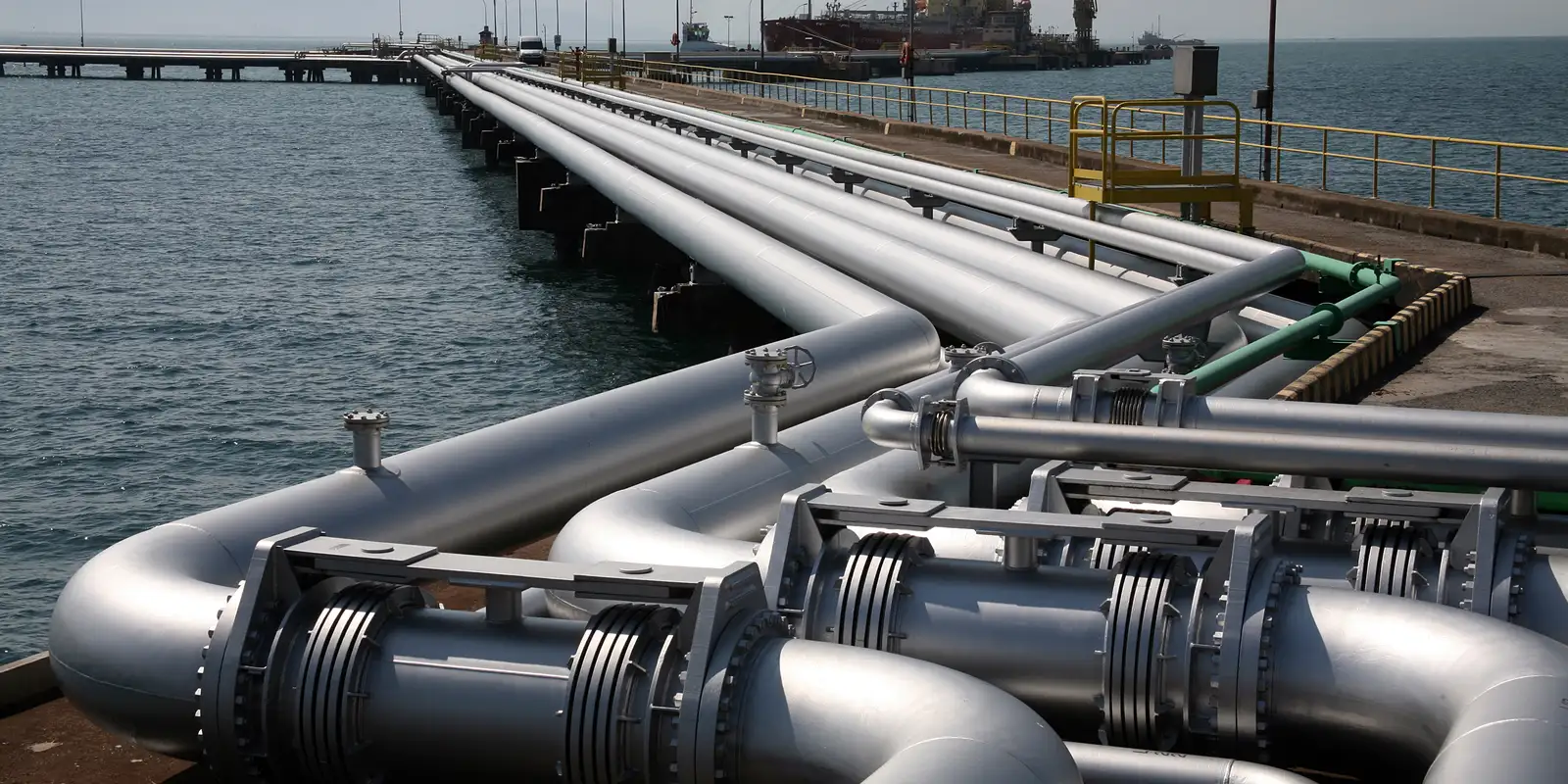
Last year, Transpetro recorded 31 incidents of theft and attempted theft on pipelines operated by the company, compared to 25 cases that occurred in 2024. The result interrupted a trajectory of continuous decline of around 90% since 2018, when there were 261 records. The highest concentration occurred in the state of São Paulo, with 70% of cases last year.
Transpetro operates a network of around 8,500 kilometers of pipelines in all regions of the country and invests R$100 million annually in prevention and warning of risks to people’s lives and the environment.
The president of the state-owned multimodal logistics company for oil, derivatives and biofuels, Sérgio Bacci, warns that the increase in criminal activity is worrying due to the risks it poses to people’s safety, the potential to cause irreparable environmental consequences and the impact it can have on fuel supply in essential infrastructures for society, such as hospitals, airports and ports.
“We are victims of a serious crime, which puts lives at risk and affects essential infrastructure. Even with continuous investments in prevention, in the order of R$ 100 million per year, clandestine diversions have increased for the first time in six years. Therefore, we consider an integrated response, involving public security bodies, to be essential, in addition to tightening legislation to discourage this criminal practice”, he argued.
States
The state of São Paulo increased the number of criminal attacks on pipelines operated by Transpetro from 17 occurrences in 2024 to 22 in 2025. With this growth, the state accounted for more than 70% of the cases registered in the country last year, remaining the main area of incidence of clandestine diversions.
In Sergio Bacci’s assessment, the evolution of the numbers signals a growth trend in the state, which had already recorded 16 incidents in 2023, showing the advancement of criminal activity in a strategic region for fuel logistics in Brazil.
For Bacci, the increase in clandestine diversions in São Paulo cannot be interpreted as an episodic event, but as a structural and systemic risk.
“The state has the largest pipeline network in the country, with extensive capillarity and proximity to urban centers, a robust and continuous consumer market, which ensures rapid absorption of the stolen product, and dense logistics and road infrastructure, facilitating the clandestine flow and pulverization of illicit merchandise, as the state houses an extensive network of pipelines within its territory.”
Another state that showed an increase was Minas Gerais, going from one occurrence in 2024 to six in 2025, signaling a possible geographic expansion of criminal actions. Goiás recorded one incident during the period. The two states are crossed by the São Paulo–Brasília Oil Pipeline (Osbra), one of the most strategic in the national pipeline system for the flow of petroleum products.
Rio de Janeiro showed a significant reduction. In 2020, 13 clandestine diversions were registered in the state, a number that dropped to one occurrence in 2025.
The president of Transpetro understands that this result highlights the effectiveness of the actions integrated with public security authorities to curb the theft of fuel in pipelines and the preventive actions adopted by Transpetro.
Crime prevention
This year, Transpetro intends to continue investing in the integrated strategy based on three pillars:
- application of technology and intelligence to monitor and detect attempted theft;
- joint action with public security bodies; and
- permanent relationship with communities neighboring the pipeline strips.
According to Sergio Bacci, each year Transpetro transports around 650 billion liters of oil, oil products and biofuels through pipelines, which means taking thousands of trucks off the roads.
“This mode avoids 99.5% of gas emissions compared to road transport. It is a strategic operation that guarantees efficiency, safety and lower environmental impact, essential for the supply of fuel in Brazil”, he said.