For December 24 and 25 in Venezuela, traditions revolve around family, faith and good food, which highlights the Christmas Eve dinner with hallacas, ham and pork bread, attendance at the Midnight Mass, skates, bagpipe music and bonuses, and the delivery of gifts from the Child Jesus in the early morning.
Likewise, to wait for Baby Jesus, Venezuelan families decorate the Christmas tree with garlands and decorations of all kinds, which will depend on each region. Likewise, the traditional manger is incorporated with the Virgin Mary, Saint Joseph and the animals representative of the time of Jesus’ birth.
The midnight mass, for its part, is celebrated on the night of December 24 in Catholic churches. It commemorates the birth of Jesus and brings together the faithful to celebrate faith and hope. In Venezuela, the rooster mass is usually accompanied by Christmas carols, live nativity scenes, fireworks and drums.
It has its origins in the 5th century, when Pope Sixtus III established that a solemn mass be celebrated in the basilica of Santa María Maggiore in Rome, where a piece of the manger where Jesus was born is preserved. Since then, the tradition spread throughout the Christian world and was adapted to local customs.
As joy is predominant during this festival, bagpipes, Christmas bonuses and traditional holiday parties can be heard in homes, businesses and vehicles.
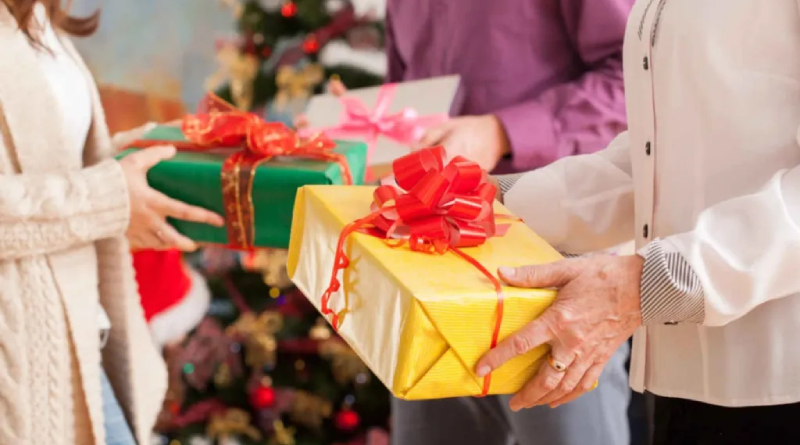
Another activity that has become a tradition is the “secret friend, secret santa, invisible friend or little angel”, in which a person gives something to another person who has been chosen by lottery, without them knowing it. On the day of delivery, a party is held where all participants bring their wrapped gifts and put them under a tree or on a table. Then, they are named one by one and each person receives their gift with surprise and joy. It is a way to share and express affection between friends, family or co-workers.
Christmas came to Venezuela during the colonial era, brought by the Spanish conquerors and the religious orders that evangelized the indigenous peoples. Over time, these Catholic traditions mixed with African elements and local customs, giving rise to a deeply mixed celebration.
VTV/YD/EB/SB/CP