Acquiring a home is one of the dreams of workers, who seek to live better or invest to generate greater income. However, as in other commercial activities, it is not exempt from scams, so we share Nine steps of the Dominican Association of Builders and Housing Promoters (Coprovi) to verify if a project is legitimate.
Coprovi warned that complaints about real estate scams They are generating uncertainty in the market and affecting sales in the housing construction sector.
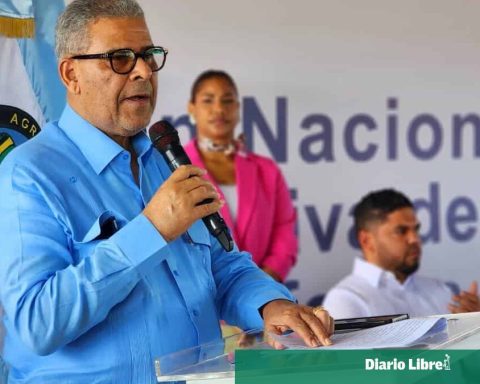
The president of the entity, Annerys Meléndez, stressed that one of the factors that has recently impacted sales is the perception of an increase in real estate scams, which generates insecurity In buyers.
According to the most recent statistics, in 2024 there were some 40,400 homes in the process of sale In the great Santo Domingo. “If we extrapolate that figure at about 50,000 units in total, cases of fraud, although unfortunate, are minimal compared to the number of legitimate projects in the market,” he emphasized.
The nine essential steps to buy a property in the Dominican Republic
Experience: It is recommended to choose companies with proven experience and good reputation in the real estate market.
Legality of the project: It is important to know at which stage the project is within its legal permits management, validating that it is in the process of processing municipal permissology, for the start of work or construction license of the MIVED, as well as in other relevant institutions.
Property Law: The developer’s property right on the field of the project must be verified. In the event that the developer is not the owner, it is necessary to request a legal document that empowers it to build in that field.Authorization or registration: Request a legal document that demonstrates that the representative of the developer is authorized to sign the contract, as a registered assembly act or the company’s commercial registry.Financial support and guarantees: If the project uses financing or is constituted under a trust, it is advisable to verify the veracity of the guarantees, the support of recognized financial institutions and the legality of the entities involved.Third parties recommendations:It is wise to validate the project through references of people or companies with ethical solidity, which may include real estate advisors and trust lawyers.Formality in the contract: Make sure the contract and payments are made on behalf of the developer and that it appears in the contract with the construction company. In addition, verify that the company has a physical domicile and that the accounts where the fees are deposited belong to the developer or the project trust.Success factors: It is important to review the characteristics or deliveries of previous projects of the company, verify the constructive milestones already achieved in the project in question and compare them with the market offer.Material quality: It is convenient to consider the innovation, quality and sustainability of the project, examining the technology and construction materials used, as well as the certifications that support these practices.
Within the recommendations, it specified that it is essential to choose a builder or promoter with experience and reputation in the market, since the experience of a company is an indicator of its responsibility and ability to deliver the property. The average price of the house in the market must also be compared with the offer presented to assess whether there is any kind of similarity.