In other words, we are not able to ignore the data. It is urgent to translate them into public policy recommendations that really aim to reduce crime and violence. Here I highlight three census findings that confirm the need to strengthen state security and justice institutions, emphasizing working conditions, training and equipment of local police.
Unprotected local police
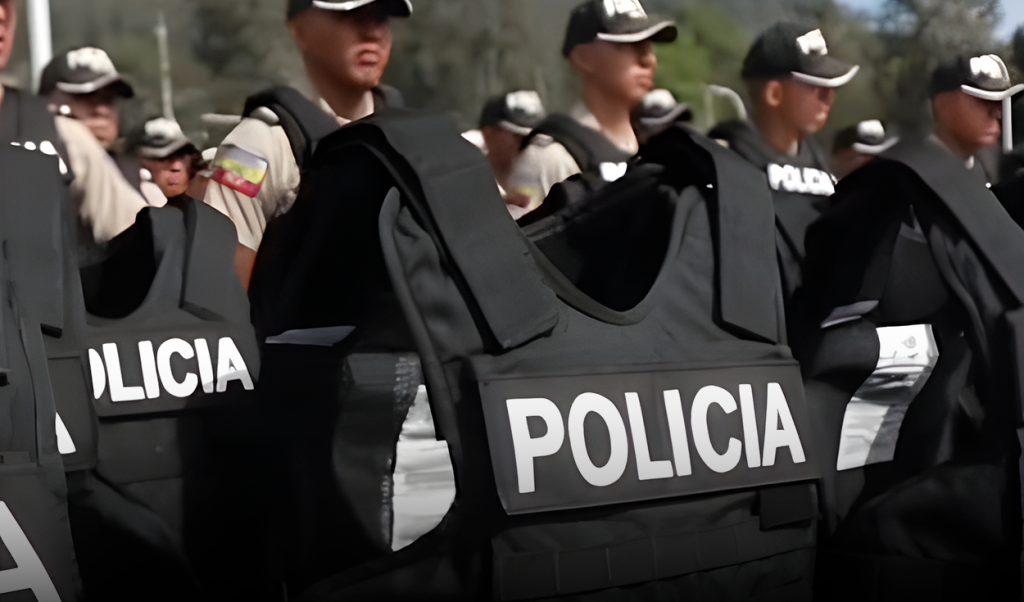
61.3% of state police officers perceive a salary lower than that recommended by the Executive Secretariat of the National Public Security System, which should range between 10,626 and 21,679 pesos per month. Corporations can hardly become the first containment dam against crime if they do not have a decent salary. The high rotation of personnel is the natural consequence of careers that does not guarantee subsistence. Dignifying the working conditions of local police is not a luxury: it is an urgency.
Ensuring competitive wages represents a challenge for state governments, but there are viable routes. Mexico evaluates He recently published the Route for Police Dignification, where sustainable ways of financing the labor benefits of corporations are raised, in accordance with legal standards, and thus begin to pave the way to a real and sustained pacification.
Local police against impunity
In 2024, local police made 97.7% of the made available (420,419 cases). The National Guard, less than 3%. It is true that there are more state police and, therefore, they are more likely to be the first to act. But what is incomprehensible is that, despite these numbers, the official narrative and the allocation of resources continue to place the National Guard and the Armed Forces in the center of the security strategy.
It is the local police who really make the difference to reduce impunity. They deserve greater budget, especially in training and in their articulation with state prosecutors and prosecutors. Without that coordination, the made available in dead files and justice never arrives, neither in civic or criminal matters.
Local police in the first line of fire
The official discourse insists that only the armed forces have the capacity to face the fire power of organized crime. But the data show another reality: because of their territorial presence, state police are the most risky life in a day -to -day basis. In 2024, 1,039 clashes and aggressions were registered between armed police and civil forces; State police participated in 755, that is, 72.7% of cases.
This demands much more professional and equipped police for the use of force. And also demands a more expedited and effective coordination with federal forces. Otherwise, local corporations with responsibilities that exceed their formal abilities will continue to be loaded, without giving them the means to fulfill them.
In short
Census figures are overwhelming: without well -paid, trained and equipped local police, no national security strategy will work. It is they who contain crime, who reduce impunity and who face criminal organizations. Continue relegating them to the speech and the budget is to insist on a failed path. Talking about pacification without putting local police in the center is simply a self -deception.
_____
Editor’s note: Armando Vargas ( @Bavargash ) He is a Doctor of Political Science, University Professor at UNAM and Coordinator of the Public Security Program of Mexico evaluates ( @mexevalua ). The opinions published in this column correspond exclusively to the author.