Guanajuato
Demonstrations were held in different municipalities of Guanajuato, such as in the capital of the entity, where they marched from the steps of the Juárez Theater to ask for justice for the murder of Carlos Manzo, in addition to demanding an end to the violence in that territory.
In Irapuato, people also gathered to demonstrate. They walked from the Flag Monument to the center of that municipality with the slogan “I want to live, not survive.” The same thing happened in Celaya, where participants criticized the federal government.
Jalisco
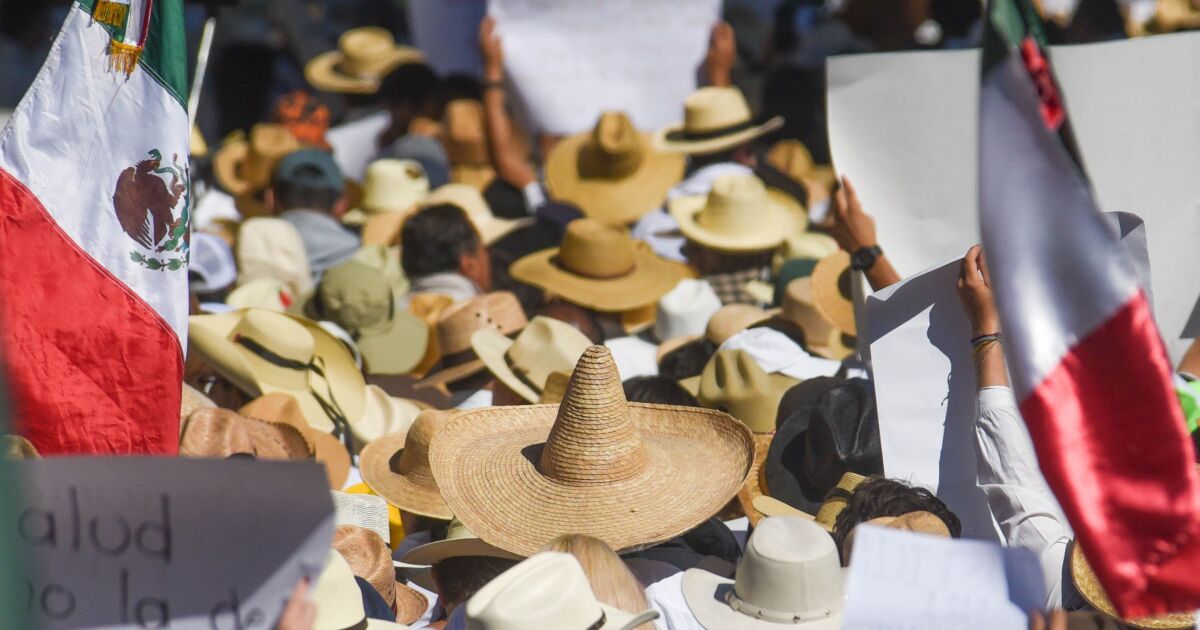
In Guadalajara, protesters dressed in white t-shirts and a straw hat in reference to Carlos Manzo, former mayor of Uruapan, Michoacán.
In their rally, as in the rest of the demonstrations, they demanded security and opportunities for young people.
Before the end of the demonstration, around 4:00 p.m., a group of young people with their faces covered damaged street furniture and burned doors of the Government Palace, even though the police tried to repel the attack from inside.
The young people threw Molotov cocktails at the state building and managed to enter, setting fire to stationery, desks and chairs. Given this, security elements detained more than 20 people.
Michoacan
They also demonstrated in Morelia, but attacks were reported, as three reporters who were recording the march were beaten.
The demonstration began peacefully at the Morelos monument and advanced towards the Government Palace. It concluded around 4:00 p.m.
However, a group of people arrived when the rally was about to end and shouted slogans against the police. When the uniformed officers tried to retreat the young people, they attacked journalists who were covering the demonstration.
The Internal Affairs Unit of the Ministry of Public Security reported that it will initiate an investigation file against an element of the Civil Guard who attacked a journalist.
(darkroom)
Nuevo Leon
In Monterrey, the protesters began their journey along Zaragoza Street, in the center of the city, where they demanded security, justice and transparency from the institutions. “We are not bots,” they shouted through the streets of New York.
Puebla
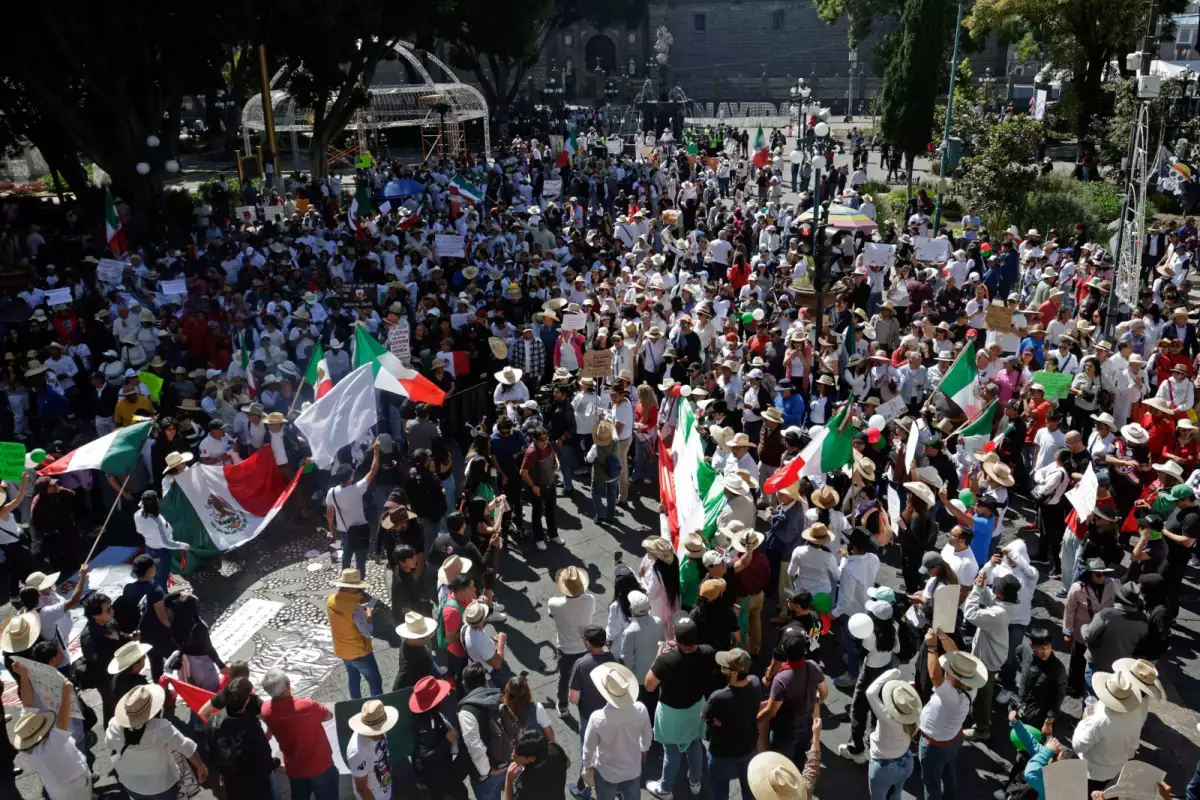
The demonstration began at 11:00 a.m. at the El Gallito clock, on Paseo Bravo. The contingent walked towards the capital’s Zócalo. With banners and Mexican flags, attendees demanded that the violence and insecurity in the country end.
The members of the march dressed in black and white and wore hats like those worn by Carlos Manzo.
Upon arriving at Casa Aguayo, which is how the state Government Palace is known, the protesters were received with fences and state police covering the building. The protesters removed the fences and violent incidents were recorded. Governor Alejandro Armenta rejected these actions.
(darkroom)
Quintana Roo
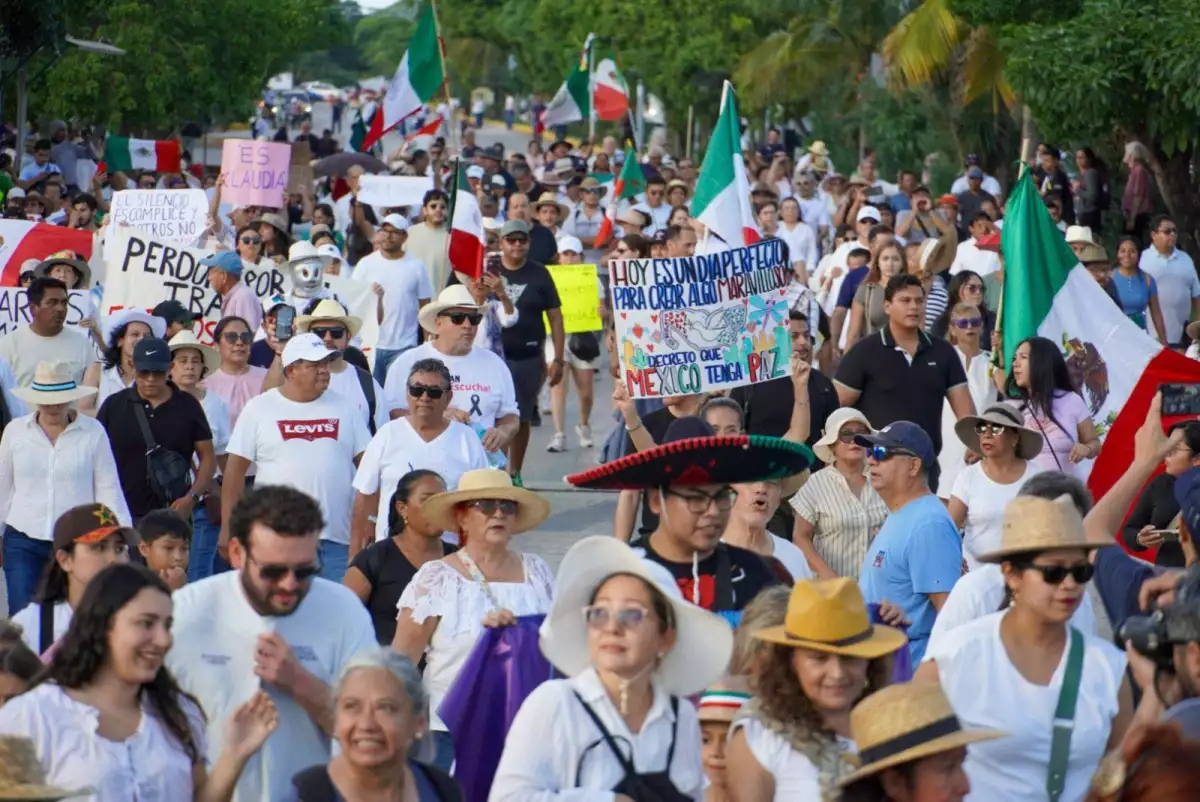
In this state they demonstrated in Cancún, Playa del Carmen and Chetumal, where the protesters joined in the demand for greater security.
In Playa del Carmen, protesters moved from Fifth Avenue to the municipal Government Palace, where no attacks between civilians and authorities were reported, as happened in other states.
In Cancún, the demonstration began after 4:00 p.m. Attendees wore white t-shirts to demand greater security. The contingent affected some of the avenues, for which motorists complained.
(darkroom)
Veracruz
Protests were held in the municipalities of Xalapa, Córdoba, Coatzacoalcos, Orizaba, Poza Rica and Tuxpan.
Among the slogans that were heard were: “Out Claudia, “Out Nahle, go to Zacatecas,” “Out Morena” and “Justice, justice” to demand the resignation of Governor Rocío Nahle and that of President Claudia Sheinbaum.
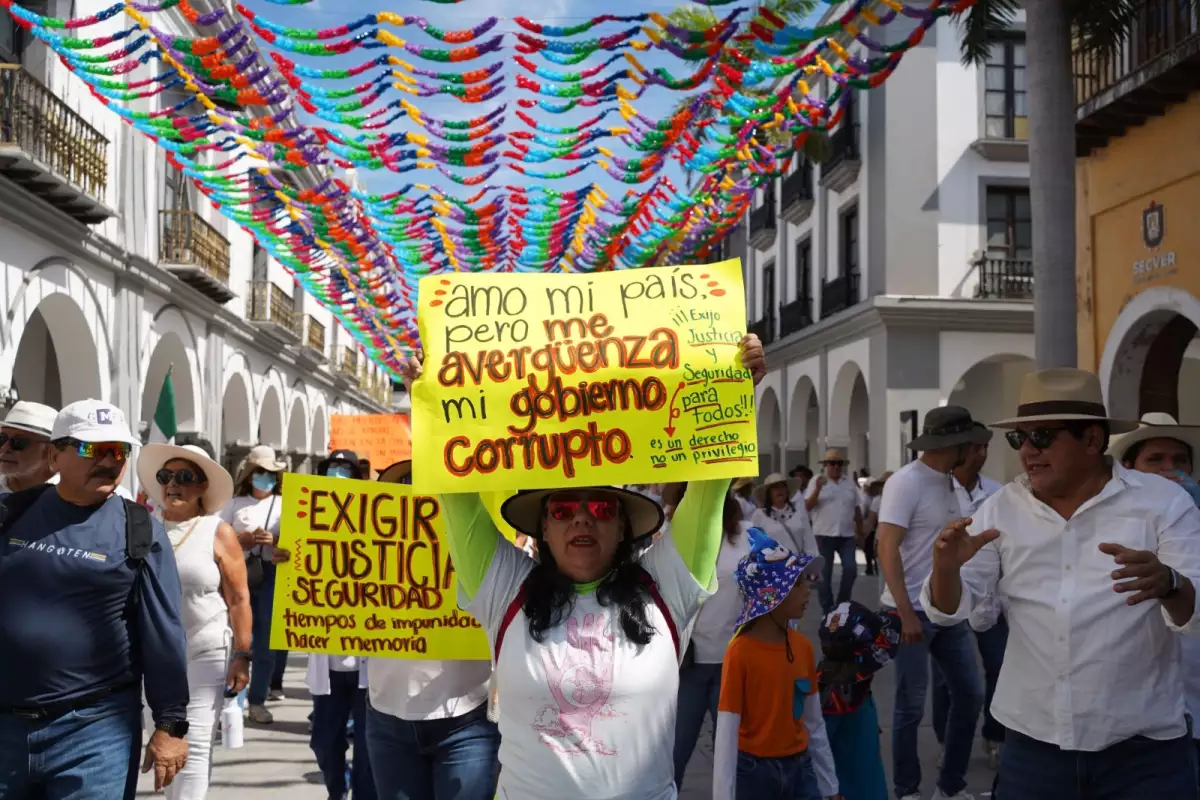
(darkroom)
Yucatan
From Mérida, protesters demanded justice for the murder of Carlos Mazo and described Claudia Sheinbaum’s administration as a “narco-government.”
The protesters took a tour to the Historic Center, where they warned that there are more than 22,000 activists missing since 2018 and 56 murders of politicians in 2025 alone, among them the former mayor of Uruapan.