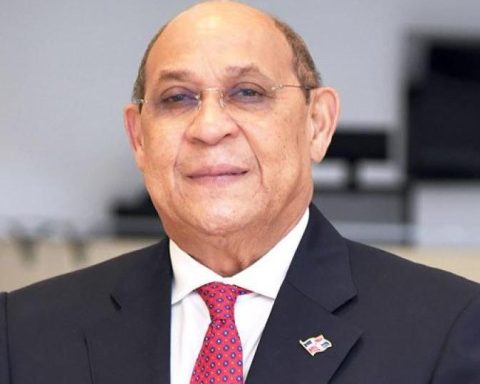
The Dominican Electric Mobility Association (Asomoedo) expressed his worry given the lack of regulatory clarity regarding the operation of light two-wheeled electric vehicles in the Colonial City, and called on the authorities to establish a consensual regulation that promotes clean, safe and orderly mobility in this heritage area.
Edwin Martinezpresident of Asomoedotogether with Normedy (Normy) Gallardo, executive director of the entity, explained that for several years different private companies have been operating security solutions. electric micromobility —such as skateboards, bicycles and electric motorcycles— with the aim of reducing vehicle congestion and the carbon footprint in the Colonial City.
Martínez indicated that the sector has held multiple meetings with the National Transit Institute and Transport Terrestrial (Intrant), the City Council of the National District and other actors, without there being a definitive regulation so far. He remembered that the Intrant issued years ago a provisional permit for the operation of electric scooters, but that a clear regulatory framework has not yet been approved.
-
As part of a proactive effort, Asomoedo and some affiliated companies have implemented self-regulation measures, including civil liability insurance for all units, speed control with a maximum of 25 kilometers per hour, exclusive rental to adults by contract, operating hours until 10:00 at night and the mandatory provision of protective helmets.
Martínez explained that agreements have been established with neighborhood associations and they have defined geographical boundaries clear for operation, restricting the use of these vehicles exclusively within the Colonial City, for security reasons. “We do not allow units to circulate outside the area, such as on the Malecón, where the risk of accidents is much greater,” he stated.
Normedy (Normy) Gallardo, executive director of the association, reported that she has made contact with officials of the Town hall to reach an agreement that allows the operation of the electric vehicles in Ciudad Colonial, but they have had no results.
“We are concerned about the fact that there is no clarity, because okay, they come out articlesbut what is the Town hallwe don’t know. In other words, nothing exists and we are like in limbo,” he said..
He said that since Town hall It is not reported if they are working on any regulations to regulate the use of electric vehicles and they stated that they have a regulation plan that they want to present to the Town hallbut there has been no opportunity.
He stated that solutions must be sought with all sectors that have to do with the issue and suggested a meeting to consensually analyze the issue and make decisions that benefit the visitors of Colonial City and that it does not harm companies that operate electric vehicles such as skateboards and motorcycles.
Other opinions
The Colonial Zone Electric Mobility Companies Consortium has a proposal that details the operations of sustainable mobilityensuring the commitment to the safety, fluidity and sustainability of the service they offer.
Among the proposals is the creation of a private patrol unit permanent, an educational tourism guide that allows school and family groups to explore and learn the history of Ciudad Colonial in a fun, safe and accessible way.
It also contemplates delimiting the enabled streets from the area to avoid the use of skateboards in unsuitable or dangerous areas. It suggests that the use of electric vehicles be limited until 11:00 at night.
It is proposed to establish a maximum speed limit of 20 kilometers per hour to guarantee greater speed for both scooter users and pedestrians. Periodic audits of the equipment would be implemented.