diabetes mellitus In the adult population it is a disease that requires continuous monitoring. Every day there are more advances in technology, which improves the quality of life of those affected.
Continuous glucose monitoring and technology is an ally in diabetes control. Keeping glucose levels within normal ranges is essential to prevent complications that, over time, can damage the eyes, kidneys, nerves, and heart. Dr. Adalberto González Pantaleón, an endocrinologist specializing in diabetes and metabolism, refers to the topic.
However, the health professional specifies, the care and surveillance of the disease does not depend on technology, but also on continuing education and specialized medical support.
The disease
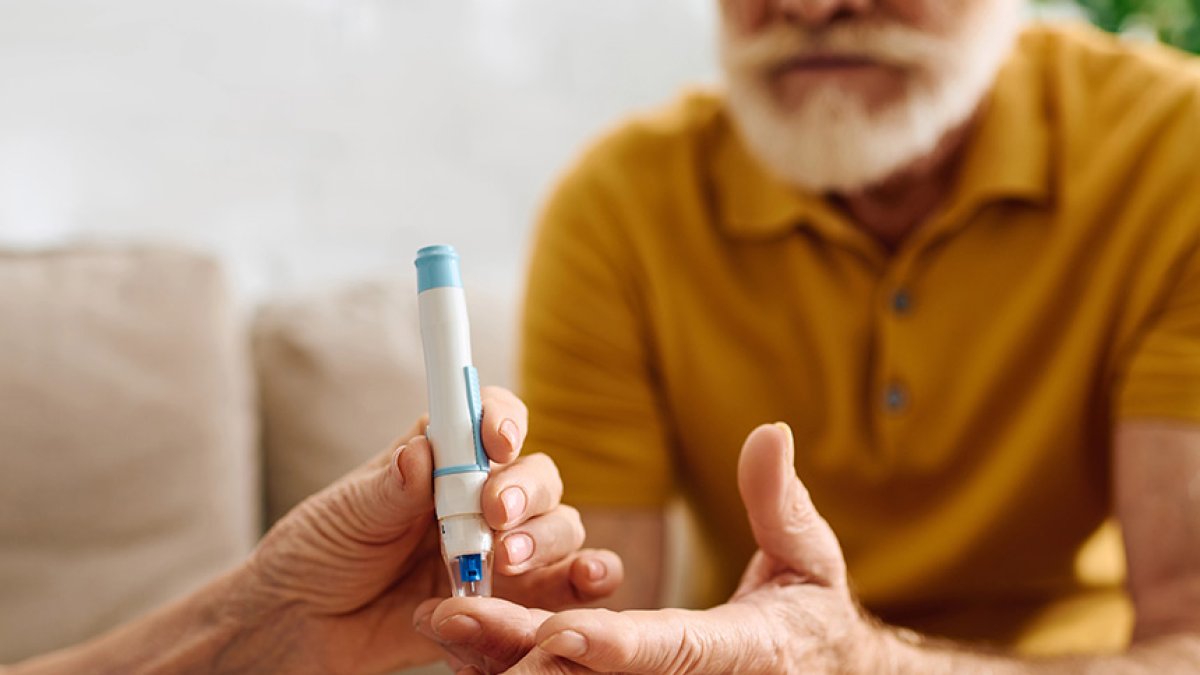
Diabetes mellitus is a chronic disease that affects the way the body uses blood sugar, the body’s main source of energy. The disease is ongoing when the body does not produce enough insulin or does not use it properly. It is advisable to keep glucose levels within normal ranges, he says, and insists that it is essential to prevent complications that, over time, can damage the eyes, kidneys, nerves and heart. The professional explains that for years diabetes control has depended on the classic method of pricking the finger to measure glucose several times a day.

There is progress
However, technological advances have revolutionized and insistent punctures during the day are no longer necessary. With Continuous Glucose Monitoring (CGM), constant punctures are avoided. It is a tool that allows you to know your sugar levels in real time, 24 hours a day.
Improve life
The professional assures that continuous monitoring devices are small, the size of a 25 peso coin or even less and can work for up to 15 days before needing replacement.
A sensor is placed under the skin, usually on the arm or abdomen, it measures glucose levels every five minutes and the data is sent wirelessly to a reader or cell phone, where the patient can see their levels and the trends of increase or decrease, explains González.
There are two main types of monitors: “flash” or intermittent monitors, such as the Freestyle Libre, which require scanning the sensor with a reader or cell phone to obtain the reading, and real-time monitors. The most recent advances have given rise to the “artificial pancreas”, a system that integrates the glucose sensor with an insulin pump, he explains. The device automatically adjusts the insulin dose based on detected levels, mimicking the natural function of the pancreas, an advance.