LIMA, Peru – Given the complex situation of fuel availability on the Island, authorities in the province of Villa Clara are trying to find alternatives to guarantee the collection of solid waste in the communities.
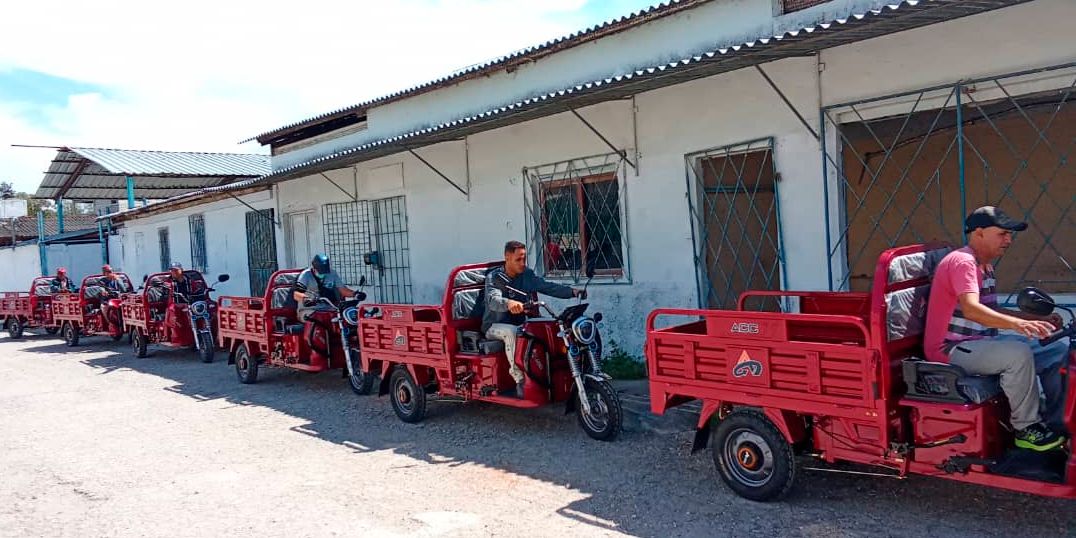
In Santa Clara, 10 new electric tricycles were added to the existing ones to support sanitation efforts, reported Mayor Yansi Díaz Jiménez told provincial radio station CMHW.
Likewise, he assured that delegates of Popular Power, together with local development projects and MSMEs, are looking for solutions to the problem of waste accumulation in different parts of the territory, which is the one with the highest collection volumes.
According to Díaz Jiménez, the city needs no less than 22 trucks per day for this service, a figure much greater than the real response capacity of the provincial government.
The garbage crisis in Cuba has reached a critical point, with piles of waste overflowing containers and micro-landfills multiplying on streets and corners throughout the Island.
This situation has led to a visible crisis of unhealthiness, affecting the quality of life of Cubans and deteriorating the urban landscape. The lack of fuel for collection trucks and the poor condition of the equipment have prevented effective garbage collection, which has aggravated the health crisis of recent years, especially in the Cuban capital.
Despite the panorama, the official of the Ministry of Foreign Affairs (Minrex) Johana Tablada considered in a recent interview in 2025 that the problem should not be a cause for international alarm.
In a recent intervention in the official video podcast Alma Plus TV, Tablada admitted the existence of garbage in the city, but relativized it: “We are not the country that has the most garbage in the world,” he said. The diplomat assured that this situation “is not exclusive to Cuba” and that other cities also face hygiene challenges outside their tourist areas.
The deputy director of Minrex also defended that Cuba has “one of the largest and best restored historic centers in Latin America.”
The official’s words contrast with the reality that Havana residents live. Even in central neighborhoods like El Vedado, waste accumulates for days on corners, generating bad odors, sources of insects and a growing health risk. In the peripheral neighborhoods it is even worse. Similar situations are repeated in other provinces: Matanzas, Cienfuegos and Santiago de Cuba also face improvised landfills and public spaces converted into garbage deposits.