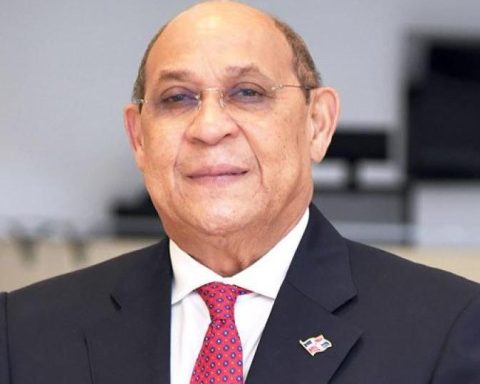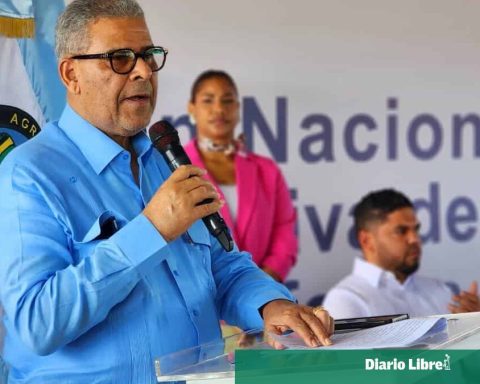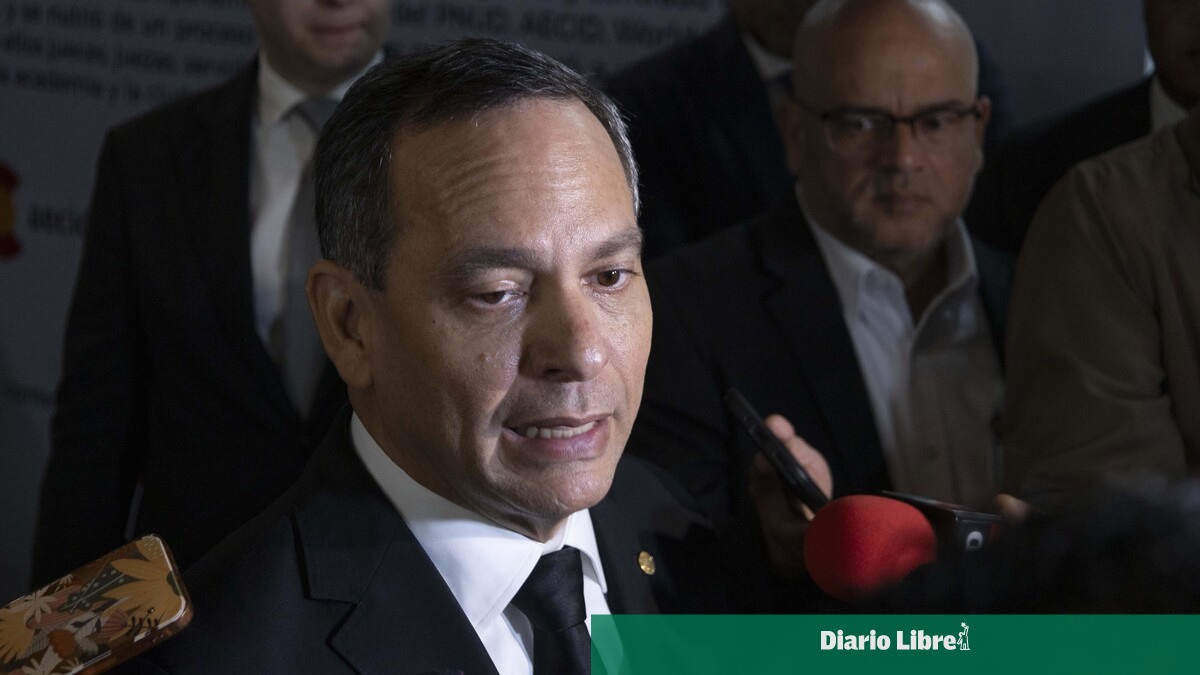
The president of the Supreme Court of Justice (SCJ), Henry Molinaconsidered that judicialization cannot continue to be the automatic response to conflicts involving children and adolescents, and proposed a structural review of the specialized jurisdiction, upon noticing inefficiencies in some appeals courts.
During the 2026 cycle of regional meetings within the framework of the plan Justice of the Future 2034the head of the Judiciary maintained that “judicialization is not the solution to the problems of children and adolescents in the Dominican Republic”and raised the need for dejudicialize processes that currently reach courts without necessarily having to be resolved in that way.
“´´We have to have an important discussion within the framework of what the National Council for Children is doing, the discussion of the regulations.”´´
He indicated that jurisdiction should be the “ultima ratio” in disputes family characterro related to minors, and advocated strengthening mediation as an alternative route.
Courts with low number of cases
The president of the judicial body also called “rethink the functioning of the jurisdiction of adolescent boys and girls”, by pointing out that there are appeals courts specialists who receive a minimum load of files.
“We have cCourts of Appeal of Adolescent Boys and Girls who do not receive more than 10 cases a year and that is inefficient and that must be worked on,” he expressed, emphasizing that the role of the judge must be reviewed in the 21st century, emphasizing that the Judiciary must act in coherence with the principle of best interest of minors.
He warned that it will not be allowed international guidelines that involve reduction of rights of childhood have a place in the country, reaffirming the guaranteeing nature of the Dominican model.
The statements were produced after a guided tour of the Judicial Cityin the process of moving the entire jurisdiction of children and adolescents to the new Judicial City of Santo Domingo Eastwhich will begin operating in an integrated manner starting Monday.
Molina pointed out that the instance is the most modern in the country, although he clarified thatit’s a project under construction and that works in coordination with other State institutions to improve the road environment.
User services
The building has user service areas, spaces to carry out digital procedures and rooms for virtual hearings aimed at people who do not have technological conditions in their homes. He also highlighted the spaces of mediationwhere, as indicated, the environment has allowed families to reach agreements.
The president of the Supreme Court reported that in the coming days the bidding process for the company that will manage the building, given the size of the infrastructure.
He also announced that in April the Judiciary Conferencewhere the national plans in matters of physical and digital infrastructure.