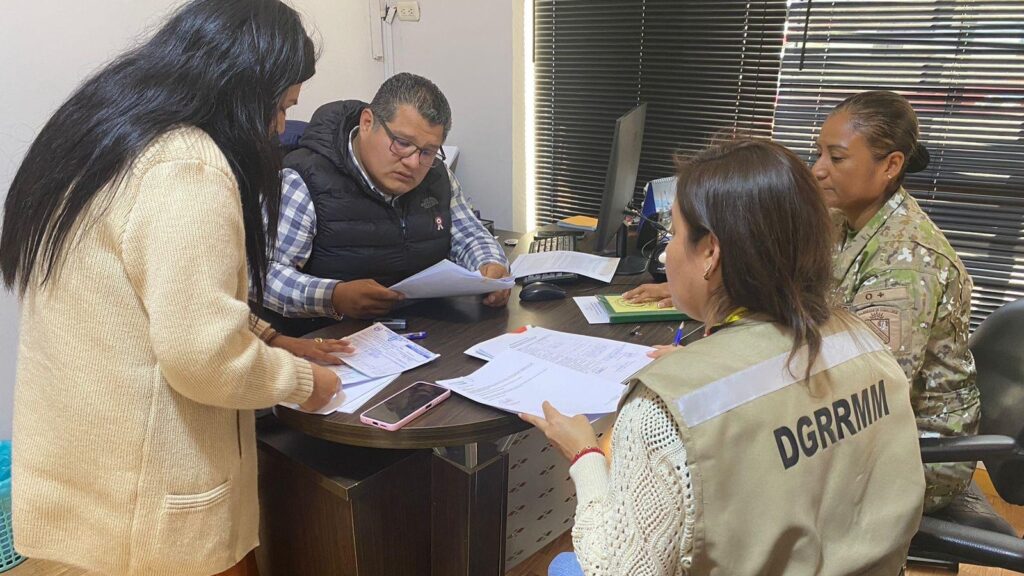
The Ministry of Defense continues to execute a series of supervision procedures to ensure the proper and transparent use of fuel in various military facilities in the country.
The inspections have taken place in key regions such as Arequipa, Tacna, Junín and Piura, where specialized technicians evaluated in situ compliance with the new guidelines established for the distribution of this strategic resource.
According to the General Directorate of Material Resources, these actions are part of an institutional agenda focused on strengthening the mechanisms of transparency, traceability and accountability in the defense sector.
To do this, the supervision teams have reviewed each phase of the logistics process: dispatch, transport, storage and final delivery of the fuel, comparing the information observed in the field with the official inventories and documents reported by the responsible military personnel.
As part of this modernization, during 2025 an automated fuel control system is progressively implemented.
This tool will allow digitizing all the movements of the hydrocarbon, from its output of the supply plants to its entry to the deposits of the army, the navy and the Air Force. The system is expected to be integrated with the platform of the ordering control system (SCOP), facilitating the exact traceability of each liter.
In addition, to reinforce visual and documentary control, the obligation to install video surveillance cameras in all direct consuming units has been established.
Deliveries and fuel receptions must be recorded and stored in quarterly audiovisual records, protected by the institution itself. This visual support seeks not only to strengthen internal audits, but also monitor the correct management of the resource by the personnel and authorized vehicles.