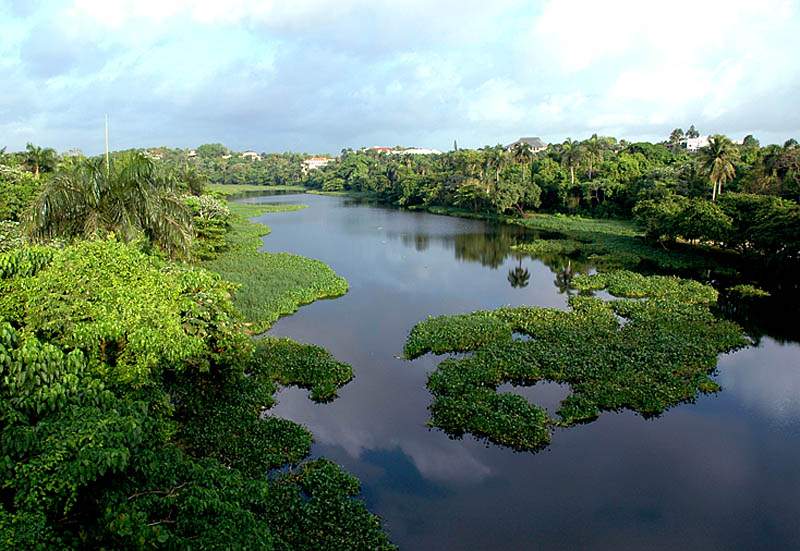
The National Network of Business Support for Environmental Protection (Ecored) and the Santo Domingo Water Fund (Fasd) They affirmed that it will be key to articulate a public-private alliance in the execution of Decree 531-25 that declares the intervention and recovery of the Ozama and Isabela rivers a high priority, for the physical, urban and environmental regeneration of the lands located on the banks occupied by human settlements.
In a joint statement, the executive directors of Ecored and Fasd, Kathia Mejía and Patricia Abreurespectively, agreed to emphasize that any activity aimed at rehabilitating and restoring the basins of these two aquifer sources must be carried out while preserving the integrity of the green belt of Greater Santo Domingo.
You can read: Budget 2026 reflects stress in fiscal space
In that sense, the authorized spokespersons of both business entities made the successful model of the water funds available to the government, with more than ten years of experience in the work of the Ozama and Isabela basins.
The two entities considered relevant the issuance of the decree that declares the intervention and recovery of the Ozama and Isabela rivers a high priority, establishing the state framework for the physical, urban and environmental regeneration of the banks.
However, they warned that rehabilitation and restoration work must adhere to scientific rigor, considering the ecological vulnerability of the fragile ecosystems that border the coast of the Greater Santo Domingoespecially taking into consideration Decree 183-93 that orders the creation of the Green Belt.
In addition, Ecored and Fasd highlighted the importance of a socialization process with the communities, respect for the rights of residents and, in necessary cases, negotiation, fair compensation and dignified relocation of the impacted families, guaranteeing sustainable and equitable development throughout the intervened area.