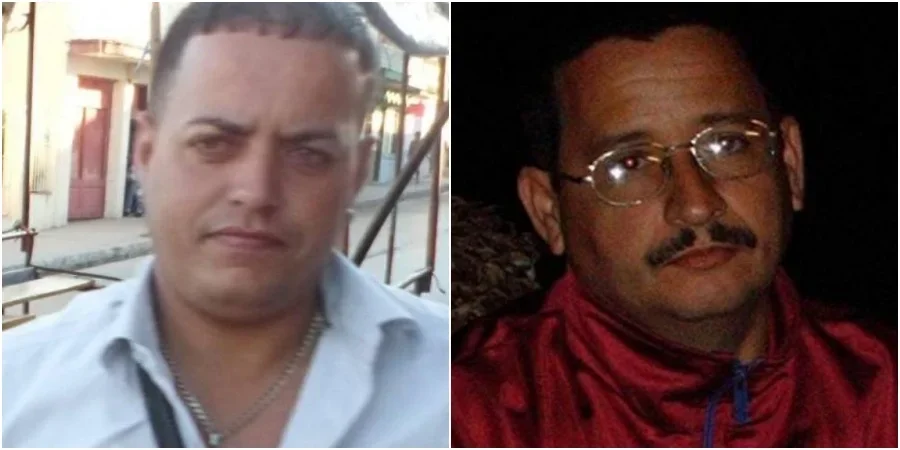
MIAMI, United States. – The Cuban Institute for Freedom of Expression and Press (ICLEP) denounced the arrest, threats and confiscation of materials against two collaborators of the community media Villarena Pages in the Dobarganes district, in Villa Clarawhile distributing edition 137 of their newsletter.
According to the report published by the organization this Mondaythe events occurred the day before, March 1, and constitute, in their opinion, a “direct violation of the legitimate exercise of freedom of the press in Cuba.”
According to the information documented by the Cuban Observatory of Freedom of Expression of the ICLEP, collaborators Lázaro Pérez Rodríguez and Luis Sotolongo Iglesias were intercepted around 2:20 pm on 1st Street. of the Dobarganes district, when they carried out “the peaceful distribution of the bulletin.” Agents from the National Revolutionary Police (PNR) and two State Security officers.
The ICLEP maintains that both were handcuffed and taken in patrol car number 276 to the Fourth Police Unit located in the area known as Abel Santamaría. They were held there for approximately six hours and, according to the complaint, incommunicado.
During the arrest, the authorities allegedly confiscated about 60 copies of the bulletin, two cell phones, a backpack, a bag with two bottles of water, cash and identification documents. The report indicates that the interrogations were carried out by officers who identified themselves as “Ariel” and “Ernesto”, in addition to another agent who did not offer his name.
The questions, according to ICLEP, focused on the internal functioning of the organization, its funding sources, the newsletter printing process and those responsible for publishing.
Before being released, Pérez Rodríguez and Sotolongo Iglesias would have received warnings of possible criminal prosecution for the alleged crimes of “usurpation of public functions” and “violation of the constitutional order.” Likewise, they were informed that they were under investigation and that they would be summoned again.
The case was incorporated into the ICLEP institutional system through its “observation and registration” process, in accordance with the methodology used by the organization to document violations of freedom of expression.
In its methodological classification, the ICLEP frames what happened within the indicators of “arbitrary detention”, “abusive use of state power” and “attacks, threats and psychological aggression”. The organization considers that this type of actions is part of a sustained pattern of criminalization of the right to inform and express an opinion in the Cuban public space, particularly against community media that address local problems that, according to the entity, are not covered by the official press.
The Institute emphasizes that the reported facts contradict provisions contained in the Constitution of the Republic of Cubaspecifically in articles 54 and 55, which recognize guarantees linked to freedom of thought, expression and access to information. At the same time, remember that Universal Declaration of Human Rightsin its article 19, establishes the right of every person to “investigate, receive and disseminate information and ideas by any means.”
In its statement, ICLEP maintains that the use of criminal figures such as “usurpation of public functions” or “violation of the constitutional order” against collaborators who distribute a community newsletter constitutes an instrumental use of criminal law as a mechanism of intimidation and censorship.
The organization demanded the immediate return of the confiscated newsletters and equipment, the cessation of the investigation and any threat of criminal prosecution against collaborators, as well as guarantees for the exercise of citizen journalism without reprisals. In addition, he called on the international community, for human rights mechanisms of United Nationsto regional rapporteurs, to democratic governments and to organizations that protect freedom of expression to follow up on the case, demand responsibilities from the Cuban State and reinforce international surveillance of the situation of freedom of expression on the Island.
“Freedom of expression cannot continue to be treated as a crime. Documenting, reporting, giving opinions and distributing community information are fundamental rights, not threats to public order,” concludes the Cuban Observatory of Freedom of Expression of the ICLEP in its report.