The new fee will apply to foreigners who receive temporary permission to remain in the United States through humanitarian parole, including those who have a pending application that has not yet been approved.
Starting this Thursday, the United States Government will apply a fee of $1,000 to new beneficiaries of ‘parole’, a type of temporary residence permit granted especially to migrants for urgent humanitarian reasons, and which has faced attacks from the Donald Trump administration.
The charge applies “to any foreigner who receives temporary permission to remain in the United States who does not meet an exception,” reads a statement from the Department of Homeland Security (DHS).
The federal agency added that the new fee will apply to foreigners who receive temporary permission to remain in the United States through this program, including those who have a pending application that has not yet been approved.
However, it includes several exceptions, for cases of medical emergencies, attendance at funerals or if the DHS understands that the granting of the permit will result in a “significant public benefit” for a foreigner “who has assisted or will assist the United States Government in a law enforcement matter,” among others.
*Read also: “I don’t want to be here anymore”: Venezuelans tried to self-deport but were trapped
In the event that the beneficiary of the program does not issue the required payment, once they appear for inspection at a port of entry or are already physically in the United States, their permit will be canceled, the statement indicated.
The new rate was one of the changes introduced last July by the «“One Big Beautiful Bill” (A Big, Beautiful Bill), a central initiative on US President Donald Trump’s agenda, which increased his room for maneuver during the current legislation.
The Republican congressmen of the House Judiciary Committee had proposed last April to implement a charge of $1,000 for an asylum request, among other increases to immigration procedures. In several cases, someone seeking asylum may receive temporary parole.
The Trump administration has taken steps to dismantle or sharply limit the use of this program since returning to the White House last January.
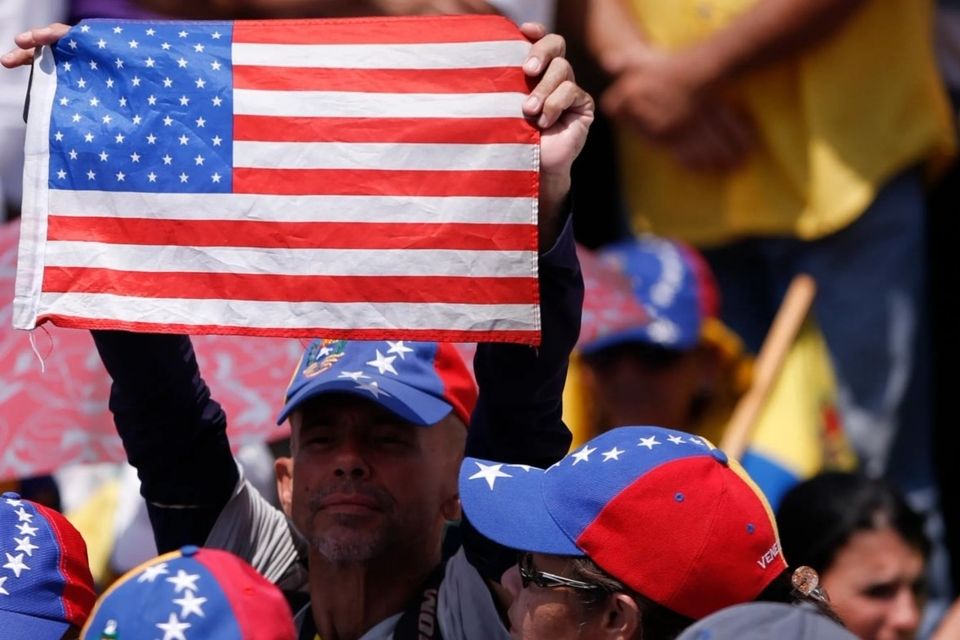
The Government has especially tried to revoke the ‘parole’ programs created for citizens of Haiti, Nicaragua and Venezuela, which has increased the risk of deportation of their users.
With information from EFE agency
*Journalism in Venezuela is carried out in a hostile environment for the press with dozens of legal instruments in place to punish the word, especially the laws “against hate”, “against fascism” and “against the blockade.” This content was written taking into consideration the threats and limits that, consequently, have been imposed on the dissemination of information from within the country.
Post Views: 221