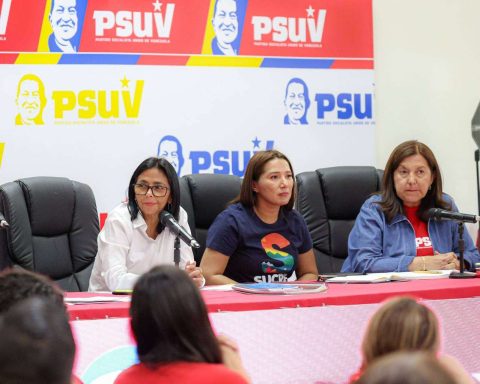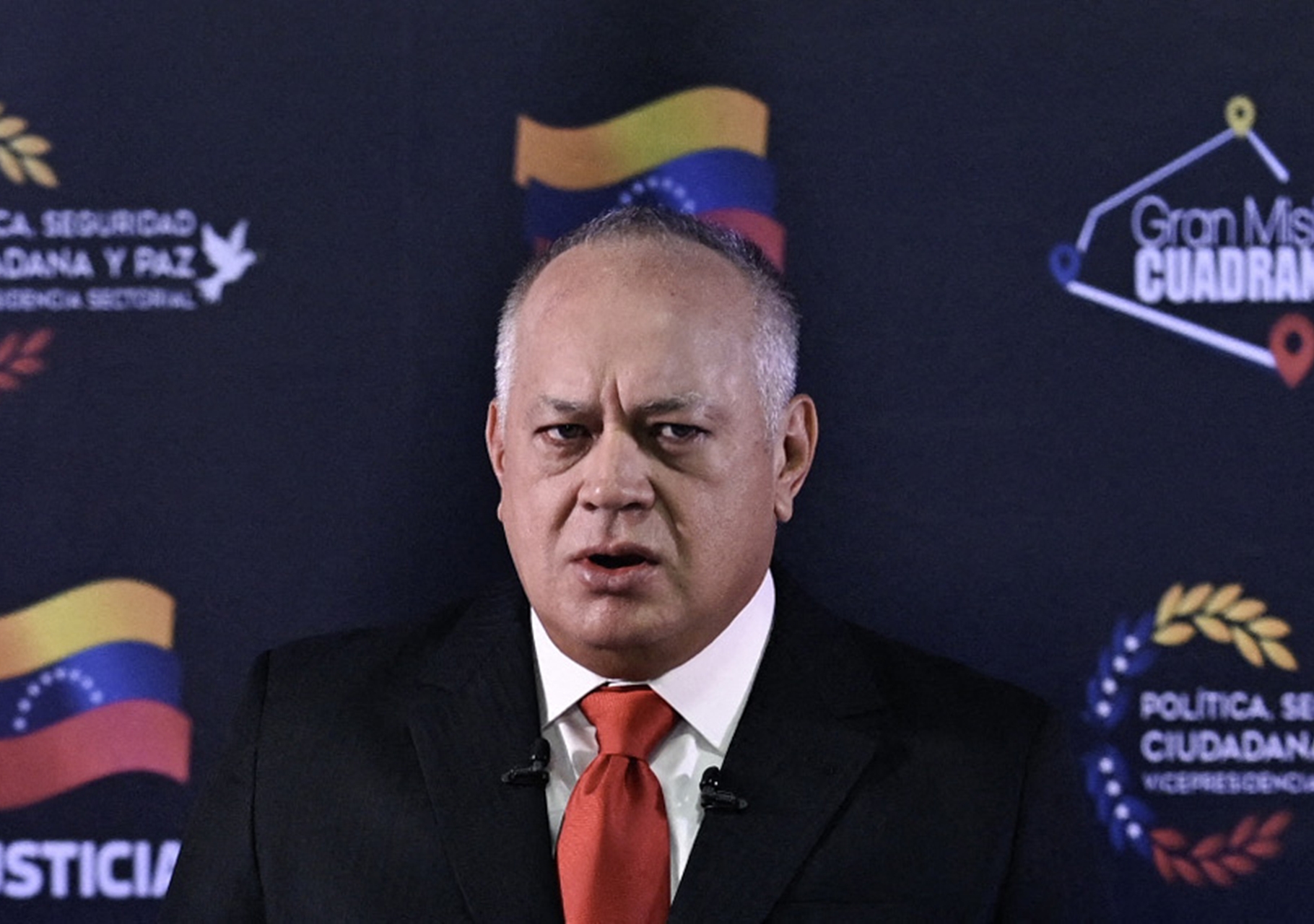
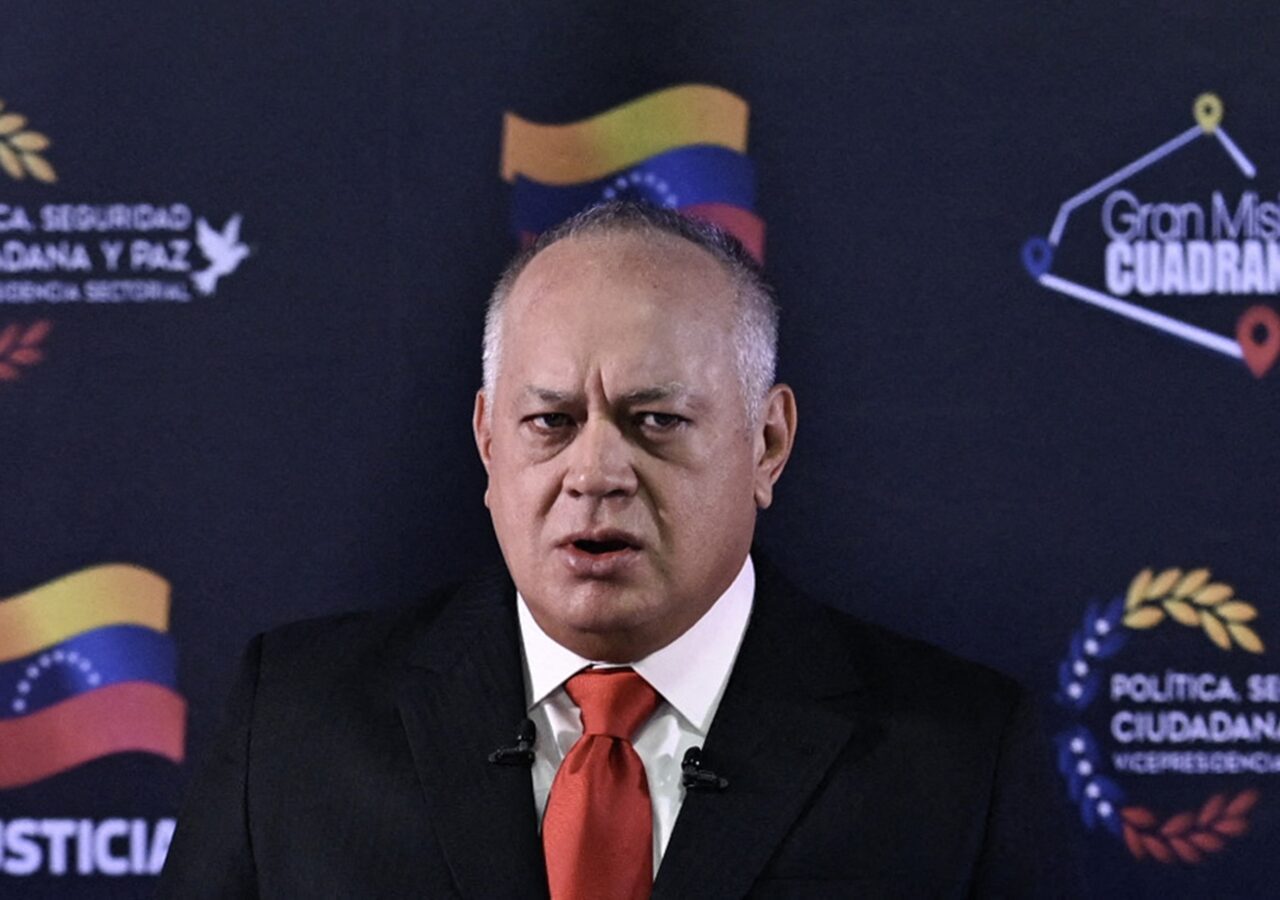
The Trump administration has warned Venezuelan Interior Minister Diosdado Cabello that he could become the next US target if he does not help. to the interim president, Delcy Rodríguezto comply with their demands and maintain order after the overthrow of Nicolás Maduro, according to three sources close to the matter consulted by Reuters.
Cabello, a hardline figure who controls security forces accused of systematic human rights abuses, is one of the few loyalists to Chavismo whom President Donald Trump has decided to trust – provisionally – to guarantee stability during the transition, according to one of the sources, who spoke on condition of anonymity.
U.S. officials especially fear that Cabello, given his history of repression and his well-known rivalry with Rodríguezcan act as a saboteur. Therefore, they are trying to force his cooperation while exploring ways to oust him from power and send him into exile, the source added.
The threat to Diosdado Hair
Through intermediaries, Washington has made it clear to Cabello that if he is defiant he could suffer a fate similar to that of Maduro – captured in a US raid on January 3 and transferred to New York to be tried for narcoterrorism – or even see his life in danger, he points out. Reuters.
However, eliminating Cabello comes with significant risks. It could motivate the collectives (pro-government motorcycle groups) to take to the streets, unleashing precisely the chaos that Washington wants to avoid. Although, as they analyze, their reaction could depend on whether they feel protected by other figures in the regime.
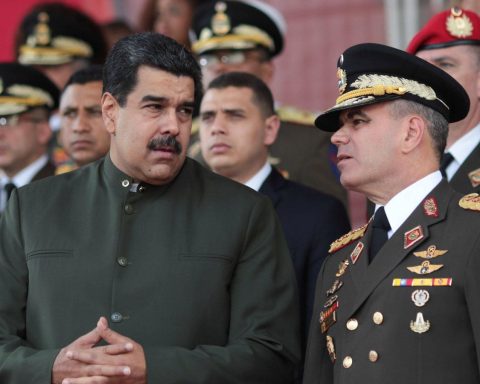
Along with Cabello, the Minister of Defense, Vladimir Padrino López, is also in the American crosshairs, accused by Washington of drug trafficking and with a million-dollar reward on his head, according to two sources.
“It’s still a police operation and we’re not done yet,” said a US Justice Department official, who also requested anonymity.
Delcy Rodríguez: the fundamental axis
For now, Washington considers Delcy Rodríguez its best option to temporarily maintain power while it develops plans to govern post-Maduro Venezuela, a strategy that one source described as “still in the development phase.”
Trump’s advisers see Rodríguez as a technocrat willing to collaborate with the United States on transition and oil issues, according to people briefed on US strategy. Although she and other senior officials loyal to Maduro have shown a largely united front, it is unclear whether this unity will endure.
Among the US demands are:
- Open the Venezuelan oil industry under favorable conditions for American companies
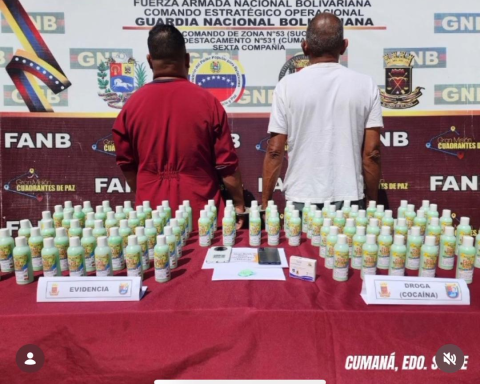
- Suppress drug trafficking
- Expel Cuban security personnel
- End cooperation with Iran
The United States hopes to see progress in these areas “within weeks,” according to the source.
The commitment to Maduro’s collaborators
The Trump administration has accepted a classified CIA assessment that concludes that Maduro’s top collaborators would be best suited to lead the country provisionally, according to sources briefed on the matter.
This decision is based on the conviction that the Venezuelan opposition, led by Nobel Peace Prize winner María Corina Machado, would be incapable of maintaining peace at a crucial moment. Trump is seeking enough stability to boost U.S. oil companies’ access to Venezuela’s vast reserves and avoid deploying troops on the ground.
U.S. officials decided to work temporarily with Maduro’s allies out of fear that the country could descend into chaos if they tried to force an immediate democratic transition, and that excluded members of the inner circle could foment a coup.
Pressure levers and cooptation strategy
Beyond military threats, the United States could use as leverage Rodríguez’s financial assets, identified and protected in Qatar, which could be confiscated, the source revealed.
US authorities and their intermediaries are also trying to co-opt other high-ranking Venezuelan officials and lower-level commanders to pave the way for a government aligned with Washington’s interests.
Criticisms and uncertainties
Trump’s promise to “run” Venezuela appears, for now, to be more of an aspiration to exert external control – or at least great influence – over the OPEC nation without deploying ground forces, a move that would be unpopular in the United States.
Trump has not offered a clear explanation of how Washington would supervise Venezuela following the largest US intervention in Latin America since the 1989 invasion of Panama.
Critics have condemned it as neocolonialism and a violation of international law. Geoff Ramsey, a researcher at the Atlantic Council, contextualizes: “Maduro brought in Cabello to be in charge of crushing the opposition after the stolen elections.”
The United Nations has determined that both Sebin and the Dgcimagencies under the influence of Cabello, committed crimes against humanity as part of a state plan to crush dissent.
Venezuela’s Ministry of Communication did not respond to requests for comment from Reuters. A senior Trump administration official said in a statement: “The president is referring to exerting maximum influence on the elements remaining in Venezuela” to ensure cooperation on migration, drugs, oil and “what is right for the Venezuelan people.”