The American newspaper revealed that Maduro also raised conditions that allowed greater access for American companies to Venezuelan oil.
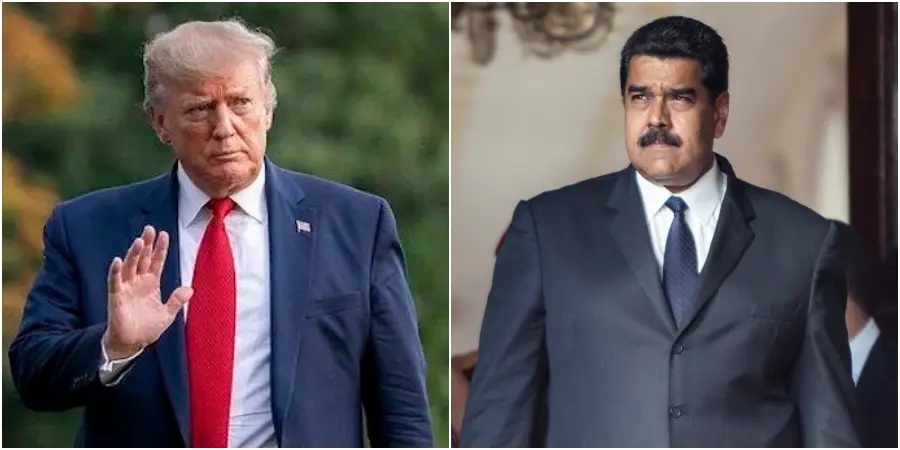
MADRID, Spain.- The United States would have rejected a proposal by Venezuelan President Nicolás Maduro to leave power after a transition period of two to three years. The information was published by The New York Timeswhich cited US officials familiar with the talks. According to the report, the offer was part of an informal channel of dialogue authorized by President Donald Trump, parallel to a plan for the CIA to develop possible actions in Venezuela.
The newspaper points out that Maduro would have proposed a transition calendar that included his resignation within a period of between two and three years, accompanied by economic conditions that would allow US energy companies to access Venezuelan oil wealth. Washington, however, considered it unacceptable that the president’s departure was postponed for so long and maintained its demand for an immediate resignation.
The revelation adds to a regional context marked by an increase in US military pressure in the Caribbean, with naval deployments and operations focused on facilities linked to drug trafficking. At the same time, the White House has promoted new sanctions, including the designation of the group known as Cartel of the Suns as a foreign terrorist organization, a measure that will take effect at the end of November.
Parallel tensions and negotiations
The article of Times indicates that, while progress was made in the design of covert plans by the CIA and the Southern Command, the White House was also looking for the possibility of “face to face” negotiations with the Venezuelan Government. Trump would have authorized indirect contacts to explore an eventual agreed exit, although without accepting conditions that would delay the political changeover in Caracas.
For his part, Maduro maintained a confrontational public speech and assured that any US military action against Venezuela would have strong repercussions for the Trump presidency, at a time of growing bilateral tension.