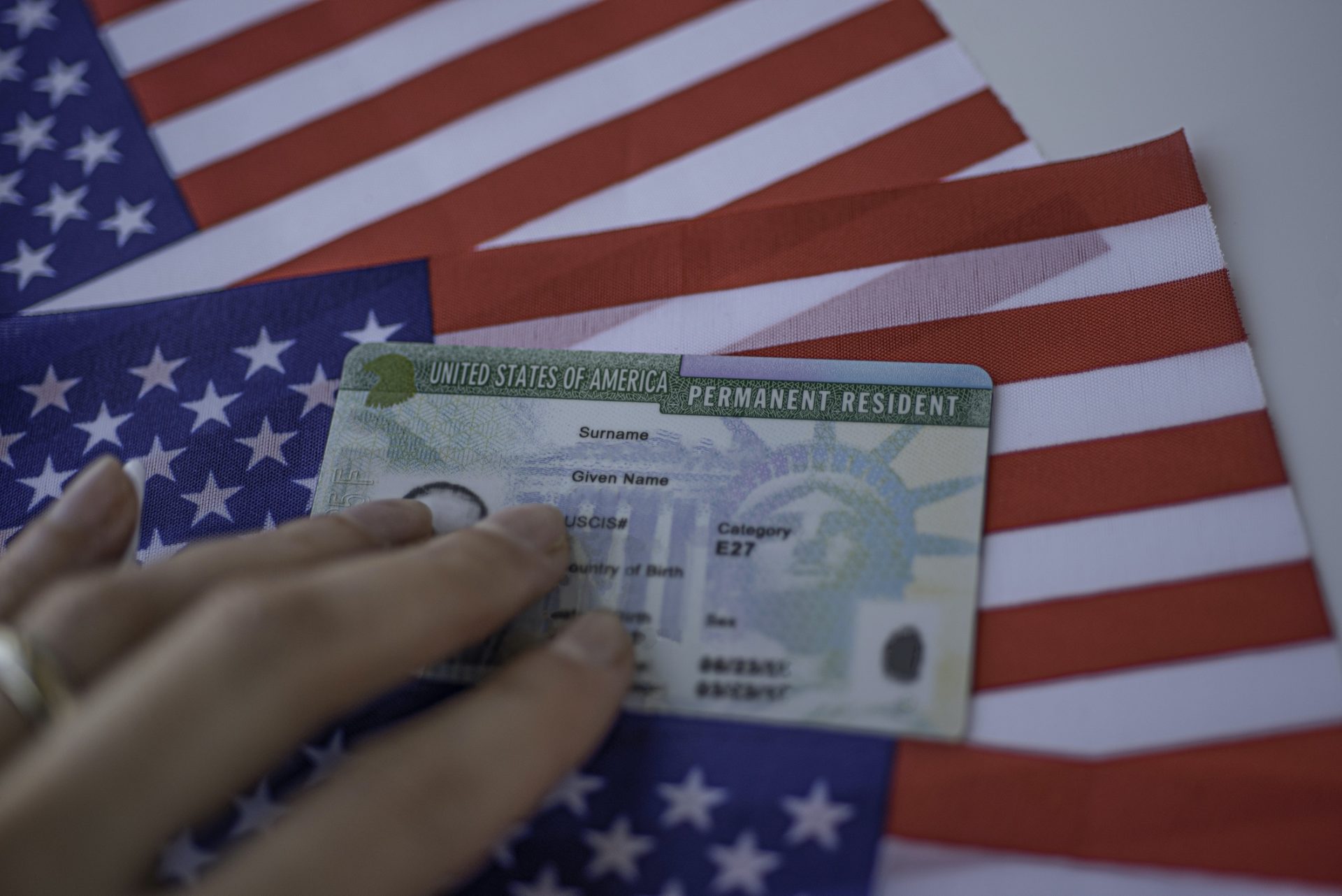
The US Government ordered a rigorous review of all permanent residence cards, the so-called “green cards”, belonging to citizens of 19 countries considered “of concern”, including Cubans.
This was confirmed by the Citizenship and Immigration Services (USCIS), after the shooting that left two members of the National Guard injured near the White House.
The measure intensifies immigration scrutiny and adds new restrictions that will directly affect thousands of Cuban legal residents or in process to adjust your status in the US.
Widespread scrutiny and immediate application
USCIS Director Joseph B. Edlow reported that the order follows direct instructions from the president donald trump and covers the review of each resident card issued to immigrants from the 19 countries included on the high risk list.
The list matches the executive order signed in June that prohibited or restricted travel from those nations for reasons of national security, he said. EFE.
At the direction of @POTUSI have directed a full scale, rigorous reexamination of every Green Card for every alien from every country of concern.
— USCIS Director Joseph B. Edlow (@USCISJoe) November 27, 2025
Among the The designated countries include Cuba, Afghanistan, VenezuelaBurma, Chad, Republic of the Congo, Equatorial Guinea, Eritrea, Haiti, Iran, Libya, Somalia, Sudan, Yemen, Burundi, Laos, Sierra Leone, Togo and Turkmenistan.
The New Inside Guide issued by USCIS introduces new assessment criteria, including negative factors associated with the country of origin, the ability to issue secure documents and considerations linked to anti-terrorist risks.
According to EFEthese rules will apply to both pending and future residency applicationsand they will also achieve renewals of permanent residence, a change that toughens processes that were already slow and complex for many Cubans.
Impact of the measure on Cubans
The decision represents an additional hardening for the Cuban community, which has already experienced the closure of the political refugee program since 2017, significant delays in residency awards and the risk of elimination of the humanitarian parole and Temporary Protected Status (TPS), measures that Trump has already expressed his desire to dismantle.
A Department of Homeland Security official told Strong Coffee that all the renovations and Status adjustments will receive more careful scrutiny than beforewhich in practice will mean more time, more verifications and a greater probability of denials.
This change also occurs as the Trump Administration prepares to review all refugee cases admitted during Joe Biden’s presidency.
It is estimated that this process could affect more than 185,000 immigrants, including Cubans who entered under humanitarian programs.
Pause of migration from “Third World countries”
In this scenario, Trump announced this Thursday that his administration will work to “permanently pause migration from all Third World countries to allow the American system to fully recover.”
According to cnnit is not clear which nations Trump was referring to, but the term “Third World countries,” used by some to define developing nations, has been used repeatedly by the president as part of his anti-immigration rhetoric and appears to encompass more than the 19 countries on the list.
A shooting as a political trigger
The announcement came a day after the attack in Washington DC, attributed to Rahmanullah Lakanwal, a 29-year-old Afghan who arrived in the US in 2021 under the program Operation Allies Welcome.
After its origin was known, USCIS suspended all immigration applications related to Afghan citizens and the White House blamed the Biden Administration’s resettlement policies.
Trump described the attack as an act of hate and promised tougher immigration measures, he said cnn. In parallel, he insisted that 20 million unknown foreigners would have entered the country under Biden, rhetoric that accompanies the new package of controls.
Trump freezes Afghan immigration after shooting that left two guards in critical condition
Even more restrictive immigration policy
The Trump Administration argues that during the previous Government, basic evaluation standards were dismantled, favoring the rapid entry of people from high-risk countries.
The rigorous review announced now is part of a more restrictive approach that tightens security criteria, increases the discretion of immigration officials and expands the possibilities of cancellation, review or delay of immigration benefits.