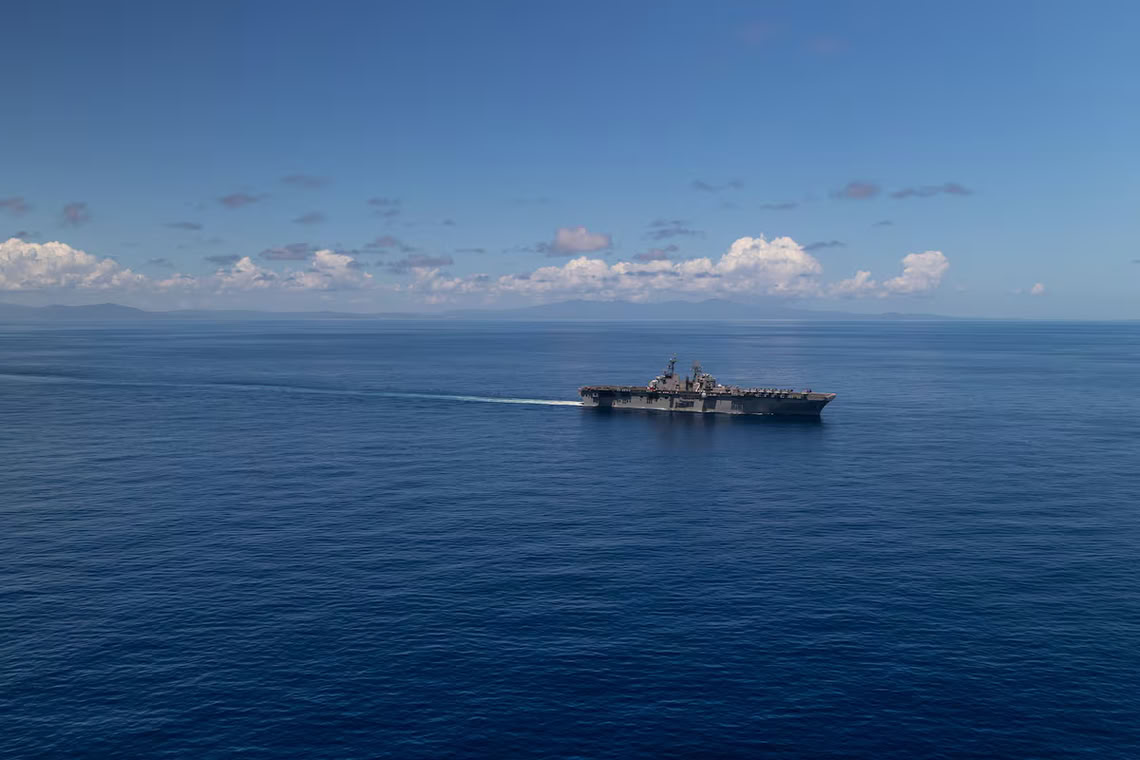
The United States Southern Command announced this Monday the destruction of a fast vessel in the waters of the eastern Pacific, in what it described as a “lethal kinetic attack” against a ship supposedly linked to drug trafficking.
The operation left two dead, according to the military entity, which assured that the boat was traveling along known drug smuggling routes, they revealed. offices international press, including Europa Press and Russia Today.
The statement, released on the X social network by the Pentagon, highlighted that no member of the US forces was injured. As is now common practice, the entity did not offer public evidence that the vessel was transporting illicit substances or that it belonged to criminal organizations.
The action is part of a campaign that Washington has been carrying out since August in the Caribbean and the eastern Pacific, with more than twenty similar operations that have left at least 107 fatalities.
Military campaign under increasing scrutiny
The US government has defended the offensive as part of its fight against drug trafficking, although Caracas and several allied countries – including Russia, China, Mexico and Cuba – have denounced it as an aggression aimed at pressuring the Venezuelan ruler, Nicolás Maduro, to pack his bags and leave power.
In recent months, Washington’s official narrative has gone from focusing on the fight against drugs to insisting on the need to “protect strategic energy resources” in the region.
Venezuela accuses the United States of seeking to illegally appropriate its oil—the world’s largest proven crude oil reserves—and of using the military campaign as a tool of political coercion.
For his part, Colombian President Gustavo Petro has condemned the United States attacks in the Pacific, calling them “murders” and a violation of international treaties. In addition, he warned that we should not “wake up the jaguar” and called for Latin American unity in the face of pressure from Washington.
The New York Times reveals physical evidence of attacks
The announcement by the Southern Command coincided with the publication this Monday of a reportage of The New York Times which documents, for the first time, verifiable remains of a boat attacked in November off the La Guajira peninsula, on the Colombian-Venezuelan border.
The newspaper reported how local fishermen found a charred boat 30 meters long, along with two bodies and dozens of partially burned packages. Some contained traces of marijuana, although most were empty. The media’s analysis determined that the wreckage corresponded to the vessel shown in an official video by Defense Secretary Pete Hegseth, who had described the attack as directed against a “designated terrorist organization.”
The journalistic investigation highlighted that, despite the magnitude of the campaign – 29 boats destroyed and more than 100 dead – the US military has not presented conclusive evidence that the sunken boats transported drugs or belonged to cartels.
Impact on local communities
The report also collected testimonies from Wayú inhabitants of La Guajira, who described the discovery of the bodies and the improvised burial carried out with traditional rituals.
The lack of state presence in the area forced fishermen to act on their own, while fear of new attacks has reduced fishing activity and plummeted seafood prices in local markets.
“We leave the nets for weeks because we are afraid to get them back,” said Vicente Fernández, a fisherman in the region. Other locals reported seeing drones flying over their boats in the weeks after the attack.
Experts cited in the report pointed out that drug trafficking in La Guajira is usually managed by small community networks and armed groups, rather than by large cartels. The combination of marijuana and cocaine in the shipments, they added, is typical of smaller-scale operations.
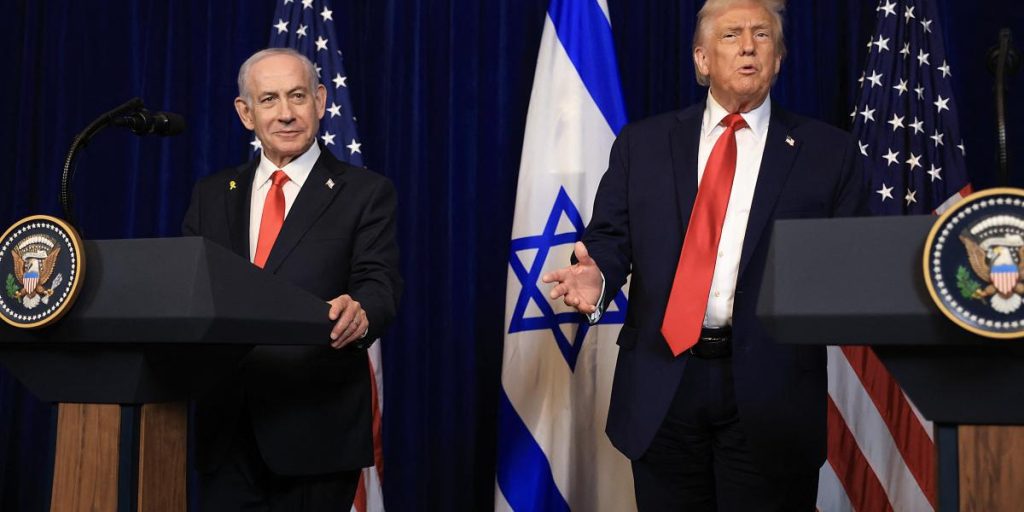
The new attack in the Pacific basin coincided with the announcement this Monday by President Donald Trump regarding a recent US attack against a dock in Venezuela from where ships loaded with drugs were supposedly setting sail.
The attack, which occurred on Christmas Eve according to the White House, would mark the first ground operation against Venezuelan infrastructure. However, the Maduro government has not issued an official response or confirmed damage in its territory.
Jurists consulted by international media maintain that the US attacks could be illegal under international law, as they involve the death of civilians without evidence of an immediate threat.
Venezuela, which plays a minor role in global drug trafficking compared to other countries in the region, accuses Washington of using drug trafficking as a pretext for regime change.
The International Criminal Court has not launched investigations into the operations, prompting the Venezuelan parliament to pass a law to abandon the Rome Statute in protest of the court’s “inaction.”