The measure was criticized by civil rights activists, who question what will happen to passenger data, how long it will be kept or what will happen in case of misunderstandings.
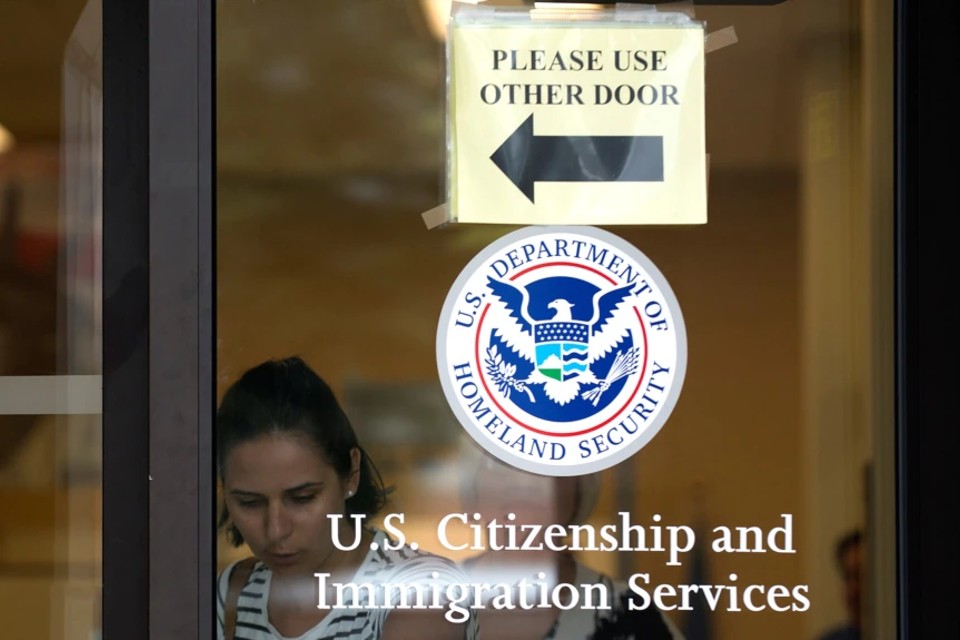
Starting this Friday, December 26, US authorities begin taking photographs of all foreigners and collecting the biometric data of some of them who enter and leave the country by air, land or sea, after the entry into force of a new rule from the Department of Homeland Security (DHS).
The regulations, announced last October, allow DHS to collect biometric data, such as fingerprints and facial appearances, from foreigners at airports, land points and seaports when they leave the United States.
It also allows facial recognition to be used in children under 14 years of age and people over 79 years of age, two groups that were exempt until this date.
The new rule affects all non-citizens, including those holding a permanent residence card, temporary residents, temporary workers, minors and older adults.
According to DHS, this system “will help address national security concerns.”
Terrorism, fraudulent use of travel documents, demurrage of visitors, and incorrect or incomplete information on travelers were the main threats cited by the Government to justify the application of the regulations.
“This system will also allow DHS to more concretely confirm the identity of aliens seeking entry or admission to the United States, and verify their departure from the United States,” DHS stated in the rule.
The measure was criticized by civil rights activists, who question what will happen to passenger data, how long it will be kept or what will happen in case of misunderstandings.
In addition to this guideline that will tighten border regulations, the Government of US President Donald Trump proposed on December 10 that tourists from 42 countries, including Spain, must submit their social media history from the last five years to enter the United States.
This measure would apply to citizens who enter the US under the Electronic System for Travel Authorization (ESTA, in English).
This program welcomes tourists and travelers from 42 countries, including Spain, the United Kingdom, Ireland, New Zealand, Australia, France, Japan, Israel and Qatar, among others.
With information from the EFE agency
*Journalism in Venezuela is carried out in a hostile environment for the press with dozens of legal instruments in place to punish the word, especially the laws “against hate”, “against fascism” and “against the blockade.” This content was written taking into consideration the threats and limits that, consequently, have been imposed on the dissemination of information from within the country.
Post Views: 157