He Department of Homeland Security of the United States (DHS) announced this Friday the cancellation of all Family Reunification Permit (FRP) programs for nationals of Colombia, Cuba, Ecuador, El Salvador, Guatemala, Haiti and Honduras, as well as for their immediate family members, in a measure that will affect thousands of families who were hoping to reunite through legal means.
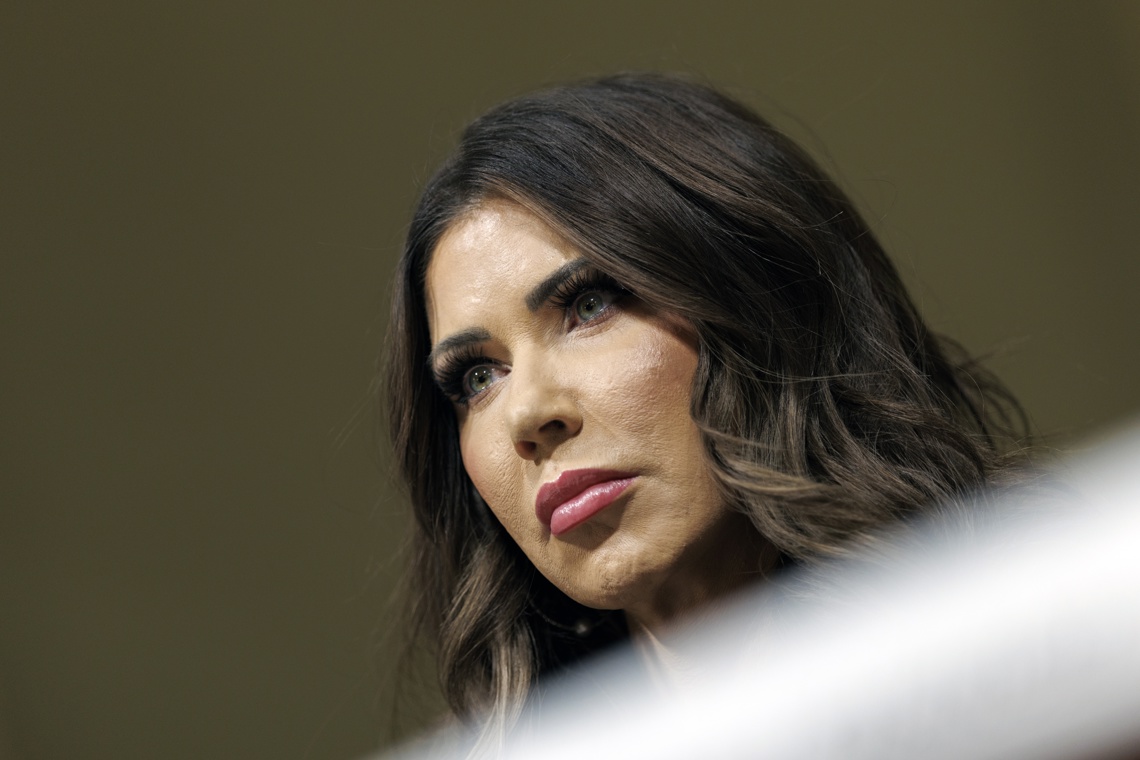
The decision, signed by Homeland Security Secretary Kristi Noem, is part of the hardline approach of the Trump administration on immigration matters and represents a radical change with respect to the policies of the Biden administration, which had modernized these programs in 2023.
The official justification
In its statement, DHS argues that “this administration is ending the abuse of humanitarian permits that allowed aliens without properly conducted security investigations and background checks to bypass the traditional temporary permit process.”
According to the Federal Register notice, published this Friday, FRP programs had “security gaps caused by insufficient background checks that criminals and fraudsters could exploit to enter the United States.”
Secretary Noem, in statements related to the administration’s immigration policies, has consistently defended the restrictive approach, arguing that it represents a “necessary return to common sense policies and the ‘America First’ principle.”
What effects does it bring?
The cancellation will take effect on January 14, 2026 for those who already have current parole under these programs, with one crucial exception: those who have submitted the Form I-485 of adjustment of status before December 15, 2025 will be able to maintain their parole until it expires or their case is decided, whichever comes first.
If the Form I-485 is denied, the permit will be canceled immediately and the alien must leave the United States.
Along with the cancellation of the parole, the employment authorization based on said permit will also be revoked. DHS will individually notify each affected person of the termination of their temporary stay period.
For those who do not have a legal basis to remain in the country after the end of the FRP programs, the CBP Home application is offered, which allows you to report your intention to leave and access incentives such as bonuses, financial assistance with travel documents and forgiveness of civil fines.
A program with a long history of waiting
He Cuban Family Reunification Program (CFRP) was created in 2007 as part of the 1994 and 1995 immigration agreements between the United States and Cuba, which committed the US government to guarantee the legal immigration of a minimum of 20,000 Cubans per year.
For years, the program faced stoppages and delays. Thousands of Cuban families waited more than a decade for interviews that never came, especially after the partial closure of the United States Embassy in Havana in 2017.
In August 2023, the Biden administration modernized the process, allowing most procedures to be completed online. At the same time, it eliminated the need for beneficiaries to be physically in Cuba or Haiti, although they had to remain outside US territory.
Kristi Noem in Congress: “Shame”
The decision has generated criticism from immigrant rights organizations and immigration lawyers, who point out that these programs represented an orderly legal path that prevented irregular migration.
During a hearing before the Homeland Security Committee of Representatives on December 11, a day before the announcement, Secretary Noem faced intense criticism from Democratic lawmakers over the Trump administration’s immigration policies. Several Democratic congressmen called for her resignation, accusing her of legal violations within the framework of the mass deportation agenda.
The hearing was interrupted by protesters chanting “stop ICE raids” and “end deportations,” following Noem through the hallways while shouting “shame.”
Organizations such as the American Immigration Lawyers Association and human rights groups have expressed concern about the impact of this measure on thousands of families hoping to be legally reunited.
The elimination of FRP programs comes on top of other restrictive measures by the Trump administration, including the Termination of Temporary Protected Status (TPS) for Ethiopia and the reversal of TPS extensions for countries such as Venezuela, Haiti, Myanmar, South Sudan and Syria.
DHS also announced it will stop processing legacy cases under the Cuban and Haitian family reunification programs, according to a publication in the Federal Register.
Uncertainty for thousands of families
For Cubans and other Latin Americans hoping to reunite with their families in the United States, the cancellation of these programs represents not only the loss of a legal avenue for migration, but also the end of years of hope and planning.
Many families had invested thousands of dollars in the process and years waiting for the resolution of their cases. They now face the difficult decision of whether to leave the United States if they have no other legal basis to remain, or risk deportation.