Alvaro García |
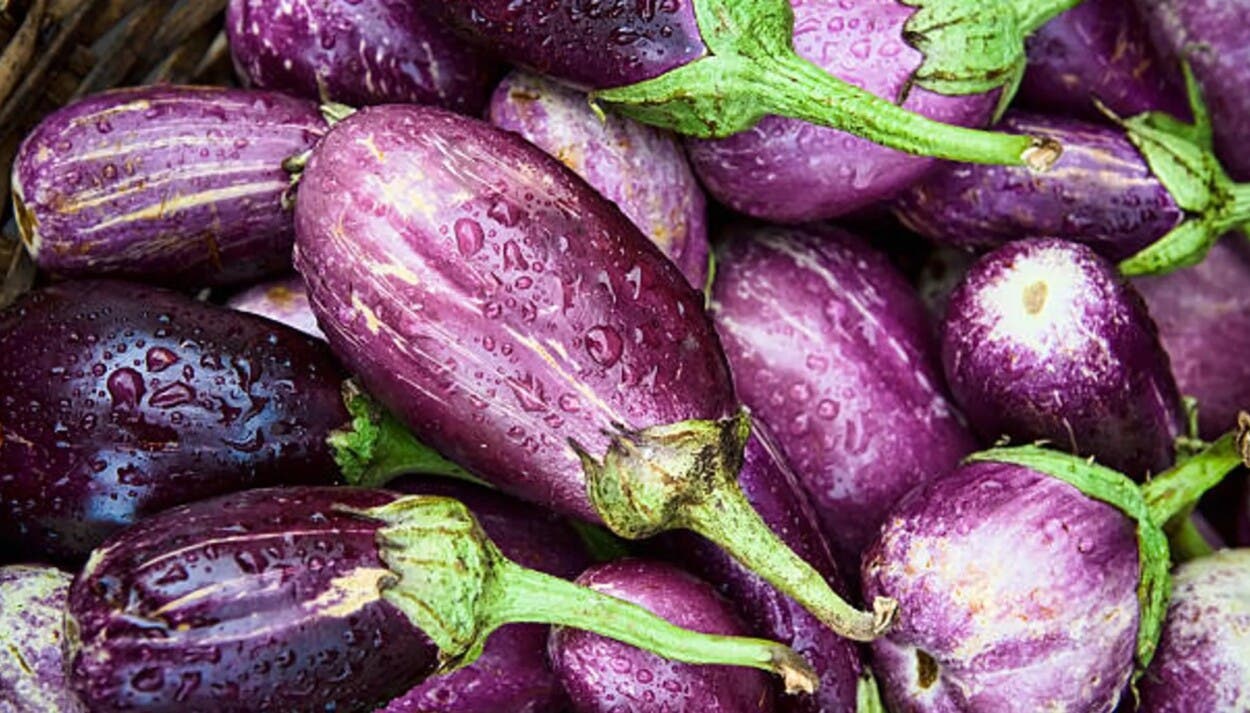
Madrid, Spain. (The reason). A group of researchers led by the University of Granada (UGR) and the Biosanitary Research Institute, in collaboration with the Cellbitec Foundation, has identified the antitumor potential of seed extracts from a new variety of eggplant against colon cancer.
The results have demonstrated its effectiveness both in laboratory tests and in studies with animal models.
In many cases of resistance to treatments and relapses, causing only mild toxicity in healthy cells.
To develop the study, The scientific team analyzed extracts obtained from mature seedss and degreased from the eggplant variety Solanum melongena L. (S0506).
Using advanced analytical techniques, high levels of bioactive compounds such as kaempferol, quercetin or protodiosin were detected, molecules that have shown the ability to stop the proliferation of cancer cells.
They activate mechanism
These compounds activate mechanisms that lead to cell death and alter the cytoskeleton of tumor cells, weakening their ability to survive.
The seeds of this variety also demonstrated effects on tumor stem cellsclosely related to disease relapses. Even after treatments such as chemotherapy or apparently successful surgeries, cancer can remain dormant and reappear months or years later. In fact, colon cancer relapse is the second leading cause of cancer death.
The use of the extract of these eggplant seeds managed to reduce the size of the tumors in the trials carried out.
Assessment
Granada researchers value these results with optimism, since they could open the door to the development of future complementary therapies for the treatment of this type of cancer.
In Spain, the Spanish Society of Medical Oncology (SEOM) estimates that more than 44,000 people suffered from colorectal cancer in 2025. Each year, the disease causes more than 15,000 deaths, a figure that has been reduced by around 20% in the last two decades, partly thanks to screening and early diagnosis programs.
Usual treatment
The usual treatment is usually colectomya surgical intervention that consists of total or partial removal of the colon when the tumor is detected in early stages. However, tumor elimination does not always imply complete eradication of cancer, which is one of the main current challenges in oncology.
This project is developed within the framework of a public-private collaboration agreement between the University of Granada and the Cellbitec Foundation, aligned with the latter’s strategy to promote innovative vegetables with health benefits. The results obtained support the continuation of research through more advanced studies at the molecular and pharmacological level, with the aim of determining its safety, the appropriate doses and its possible future applications in the treatment of colorectal cancer.
Your story
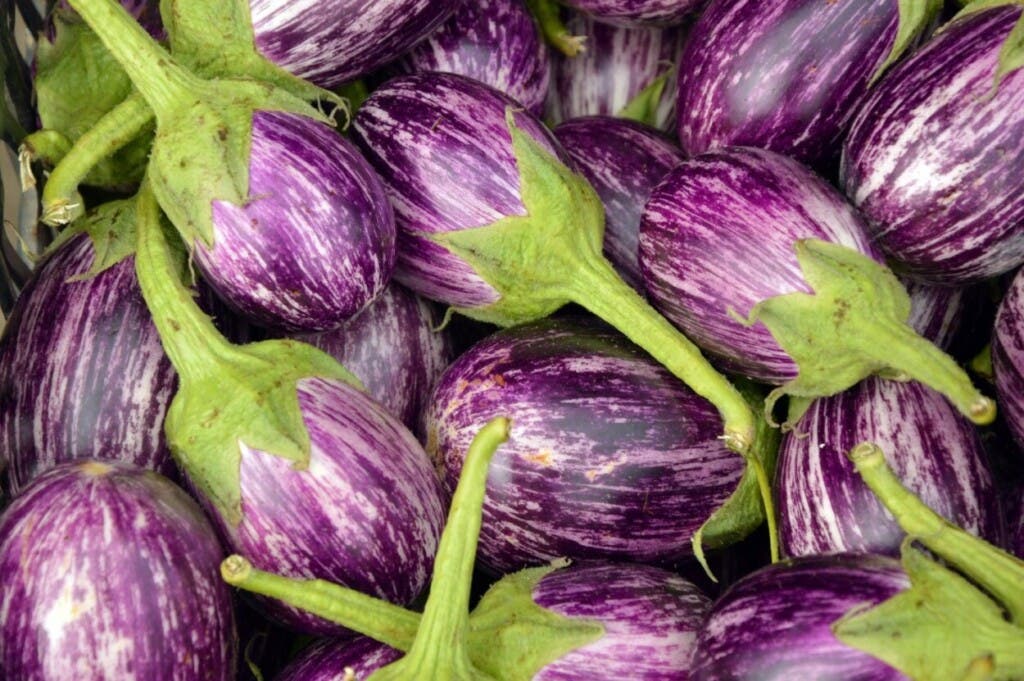
Eggplant (Solanum melongena) is an edible fruit plant, generally annual, of the Solanum genus within the Solanaceae family.
Its cultivation is very ancient, since before 2000 BC. C. and there are countless written documents where they locate its origin in Southeast Asia.
The oldest known data establishes it in the state of Assam (northeast of India, Burma and China).[1]”Brought by Arab traders, it passed to North Africa and later, in the Middle Ages, it entered Europe through Muslim Spain, from where its cultivation spread throughout the warm countries of the Mediterranean.”
It is very possible that lack of knowledge of how to treat eggplant culinaryally or by using inedible species caused digestive problems, creating a bad reputation. During the first centuries of entry into Europe, there was a belief that its consumption caused multiple diseases such as fever, epilepsy and madness, which is why the plant was used for a long time as a decorative and exotic ornament and not as food.
The famous Swedish botanist Carlos Linnaeus gave it its current scientific name Solanum melongena.
The first documentation about eggplant in the Spanish language is found in the book called Cancionero de Baena (from the 15th century) where it cites its uses and virtues. It was introduced to America by the Spanish.
Where it is produced it is widely consumed. The world’s largest eggplant producers are China and India. It is also produced in Japan and in various Mediterranean countries such as Spain, Italy and Greece.
International Eggplant Day is December 21.