By César Kahatt, regional mining leader for Latin America and the Caribbean at Marsh McLennan
Mining is no longer measured only by its production capacity and generating income, but by the trust it manages to build around it. In a context of greater social expectations, new regulations and an increasingly ambitious environmental agenda, the so-called social license to operate has become one of the most determining assets in the sector.
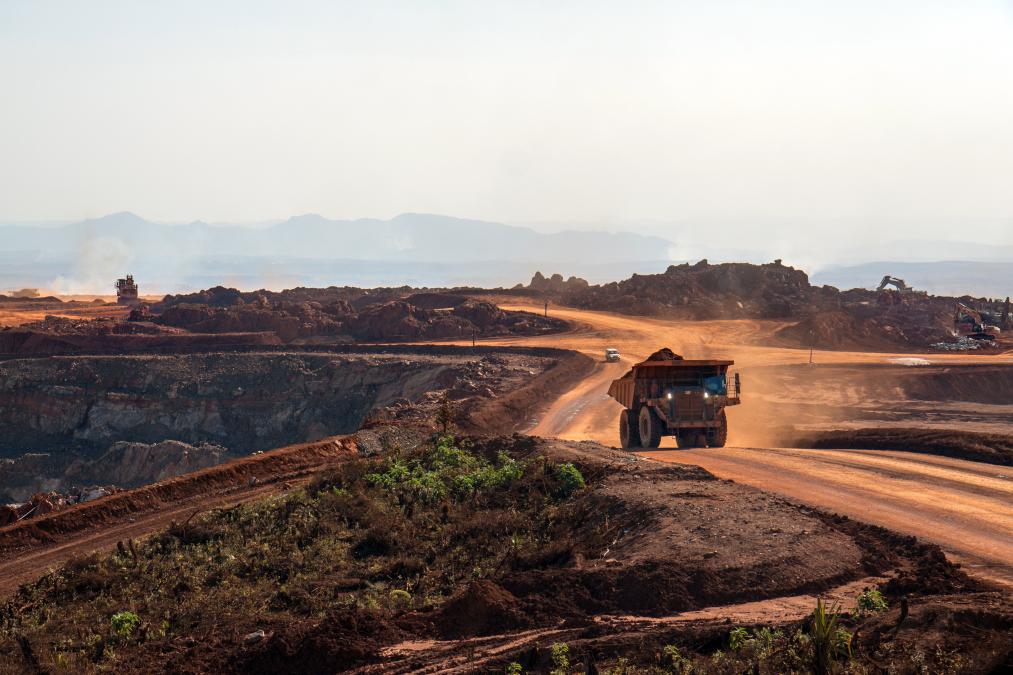
In Peru and throughout Latin America, the industry is experiencing a paradox. Its role is key to the energy transition: minerals such as copper, lithium or nickel are essential for clean energy. However, the legitimacy of the sector is under constant observation by communities, authorities and investors who expect more sustainable and transparent operations. Today, productivity or regulatory compliance are no longer enough. Mining will be sustainable only if it manages to generate shared value and real relationships of trust with its environment.
This change in focus is already noticeable in business decisions. In fact, 21 of the 30 largest mining companies in the world have assumed net zero emissions commitments, which shows that sustainability is no longer a reputational issue but has taken on a fundamental role within the business strategy of these organizations. Companies with better ESG practices access more competitive financing and tend to have a better market valuation, while companies that move forward with unclear goals face a higher cost of capital and increased scrutiny from investors and insurers.
The so-called transition risks, such as carbon taxes or more demanding environmental regulations, have become financial variables that can increase operating costs by up to 15% of EBITDA. Added to this is the complexity of opening new projects, which can take more than 16 years from the discovery of the deposit to production. All of this forces us to think about long-term strategies, where sustainability and work with communities must be part of the model from the beginning.
Building a true social license does not only depend on meeting the required standards. It involves demonstrating progress in reducing the environmental footprint, promoting safe and diverse work environments, and investing sustainably in local development. It also requires strengthening communication and dialogue with the social actors of the territory, especially in an industry where mistrust is a factor that weighs as much as operational risks.
The future of mining will depend on its ability to adapt to these new demands without losing efficiency or competitiveness. The sector will continue to be an engine for the country’s growth, but its best performance will be played in another field: that of sustainability, technology and the social expectations of an environment that continues to change. In that equation, the social license will be as important to the operation as the extraction of the mineral itself.