THE Tropical Forests Forever Fund (TFFF), officially launched this Thursday (6), at the Climate Summit, in Belém, will receive investments of US$ 3 billion from the Norwegian government over the next 10 years. This is the largest individual contribution announced so far by a single country to the new mechanism, bringing it to around US$5.5 billion the promised investments.
The fund’s proposal, designed by the Brazilian government, aims to initially reach US$25 billion with country memberships and leverage US$125 billion with private capital.
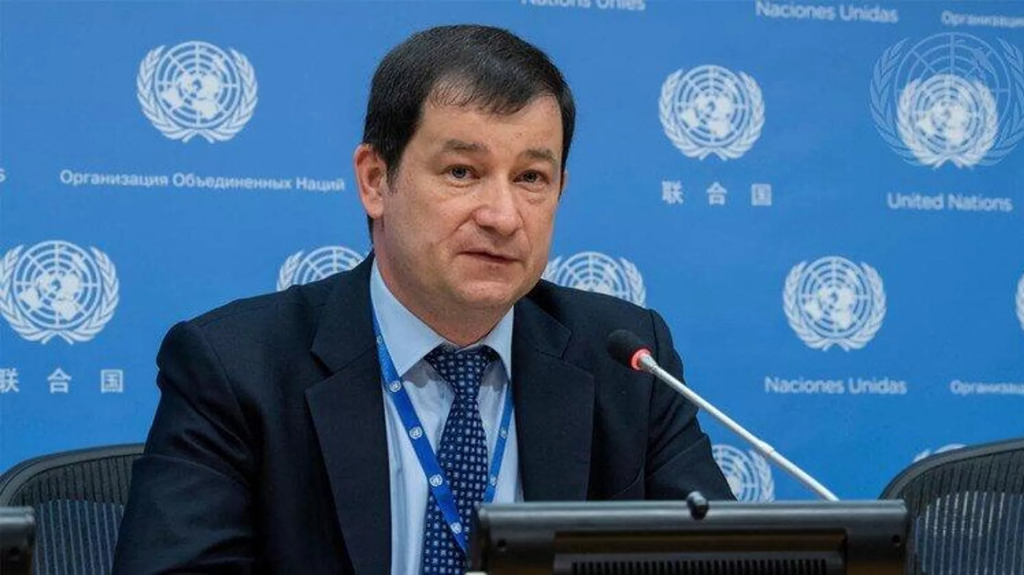
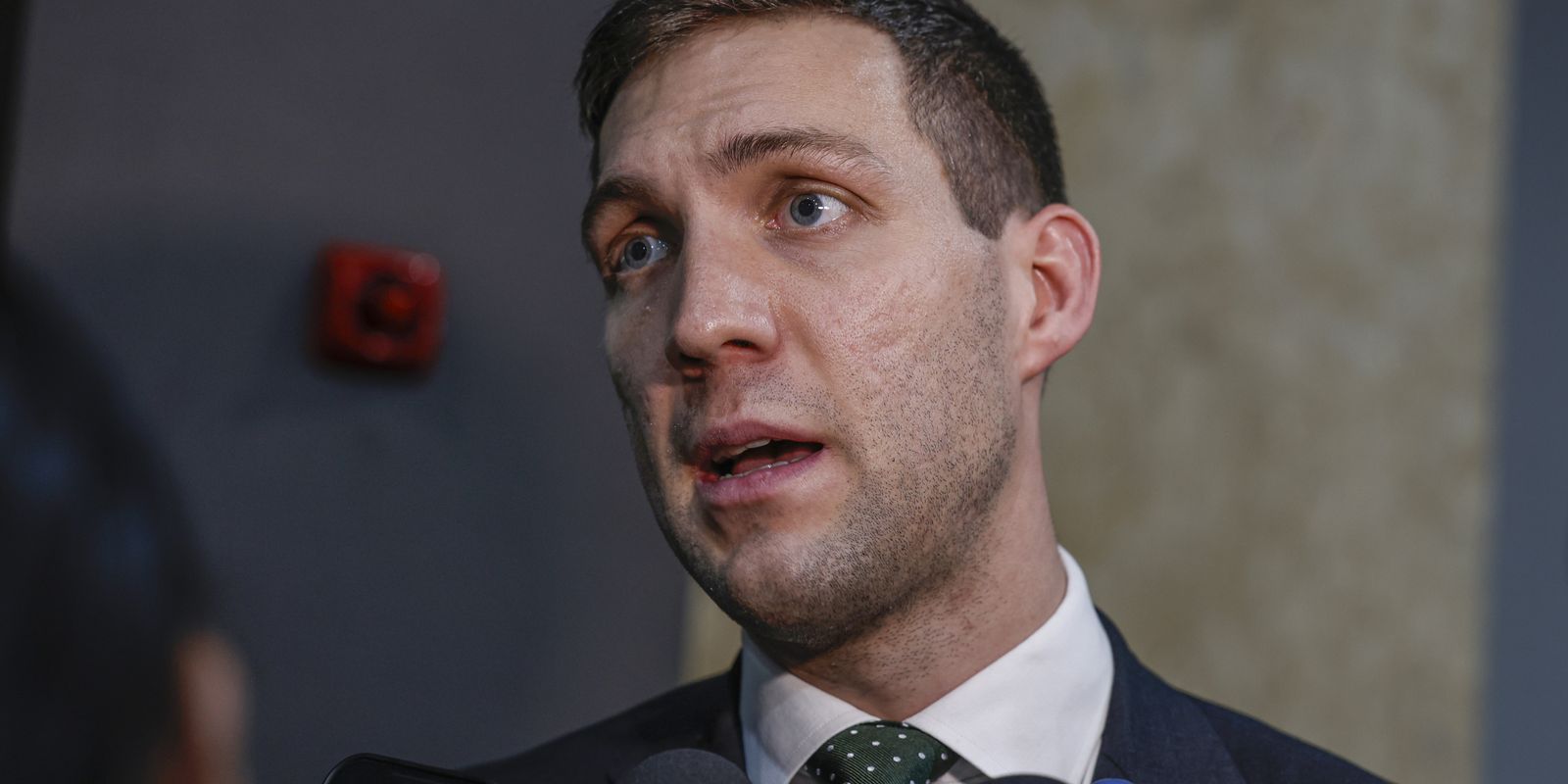
“There is a risk for all countries in not investing in the TFFF. One of the biggest risks we face today is the disappearance of tropical forests before our eyes, and this is not something that only has consequences for Brazil,” said Andreas Bjelland Eriksen, Norwegian Minister for Climate and Environment.
At a press conference to announce the support, he was accompanied by the creators of the mechanism, Brazilian ministers Fernando Haddad (Finance) and Marina Silva (Environment and Climate Change).
“Even for a country like Norway, a cold country in the far north of the world, far from the tropical forests, we are all interdependent in managing this risk and ensuring that the tropical forests are not destroyed in the coming decades. Therefore, from our point of view, the risk associated with the model is manageable, considering the work that will be carried out from now on,” he said.
After questioning the degree of risk of this investment, the Norwegian emphasized that there may be an even greater risk in not participating in the TFFF from now on.
The idea is that the fund raises resources to invest in projects in countries that have tropical forests in their territories, which total just over 70 nations on different continents. At least 20% of the amount will be allocated to traditional communities, such as indigenous peoples.
In return, these investors will receive financial returns from the investment. The World Bank is the institution that will carry out the operational management of this fund.
“As for the risk, I think we can say very little. But we can say a lot about the gain, because it is a resource that, if contributed, will have a guaranteed return, because it operates in a very safe system, which are triple A bonds”, stated minister Marina Silva, mentioning the financial risk classification of this type of investment, considered low by international standards.
She also highlighted another advantage from an environmental point of view, in that by protecting the forest, CO2 emissions are avoided.
“By avoiding CO2 emissions, you are contributing to the planet’s climate balance, what’s more, you are protecting biodiversity, you are contributing to the protection and respect for the ways of life of indigenous communities and it meets a demand from developed countries, which always told us in developing countries that it would not be enough to appeal to public resources”, added Marina Silva.