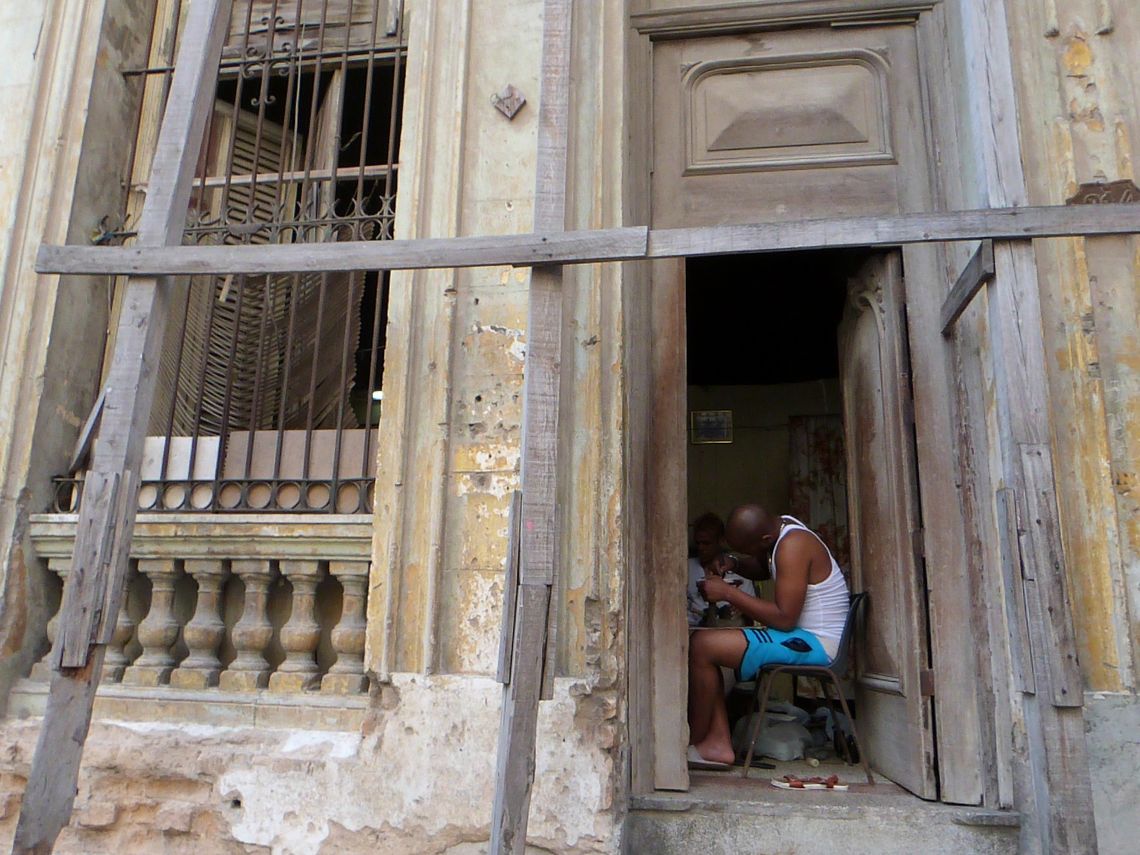
The repair and construction of Housing in Cuba Today faces the challenge of the low availability of materials, which has dramatically delayed the execution of subsidized projects and puts in check the solution to the significant housing deficit of the country.
According to A report Recently published in El Diario Granmasince its inception in 2012, the Government Housing Program has sought to guarantee subsidies oriented to the construction, rehabilitation and conservation of households for people with economic difficulties, with priority for families affected by disasters and critical social situations.
However, after accumulating arrears in the aggravation of the economic crisis on the island, the situation has reached a critical point in 2025, with a negative record in the delivery and execution of subsidies, which adds tension to a deficit that It already exceeds 800 thousand houses.
According to official data, cited by the official medium, only 3 % of the 3,069 subsidies planned for the construction of basic housing cells during this year, the worst result since the beginning of the program has been completed.
The director of Housing in Havana, Yoanky Ultra González, explains that “the right thing is that the person, approximately in four months, begins to execute the work, but since there is no resources, the process is delayed.”
While the waiting times are prolonged, the conditions of the homes deteriorate and the inflation-acerated after the monetary system and the Covid-19 pandemic-continues to raise the prices of the indispensable materials.
Statistics that graph the crisis
The Cuban housing deficit currently amounts to 805 583 homes, of them 398 364 require rehabilitation and 407 219 need to be rebuilt, according to figures cited by Granma.
Since 2012, subsidies have been granted to 155 077 people, of which 129 150 have been able to conclude the works. However, 25,927 beneficiaries continue without being able to finish their homes.
The head of procedures of the Provincial Housing Office in Havana, Elder Naples Ávila, adds that in the capital there are 7972 pending termination subsidies.
“As there is no steel, no cement, or blocks … Among the little that has been distributed is sand, stone dust and some PZ-25 cement, which is not enough for enclosure or casting work,” says the official.
In addition, the rise in prices in retail stores, after resolution 41 of 2022 of the Ministry of Internal Commerce, is considerable: the tiles cost between 1497 and 1791 Cuban pesos each; The square meter of sand ranges between 300 and 500 pesos, and the stone dust is maintained at high prices, although these products are not available.
The report, otherwise, does not refer to prices in the underground market and MSMEs. In these non -state circuits a cement bag of about 40 kilos can vary between 8 thousand and 12 thousand pesos, depending on its quality, benefits and industrial legitimacy, that last very important reference in a country where falsifications and adulterations of products abound.
Structural causes and proposals from the industry
The shortage of materials is connected to the acute energy deficit, voltage instability, technological obsolescence and limitations in foreign investment, according to Maidel Leticia González González, general director of construction materials in the ministry of the sector.
Obviously, that problematic scenario – present throughout the island – affects the reduction of productivity and insufficiency in producing plants.
However, in the country there are initiatives to take advantage of local and recyclable resources through municipal industries, which allow some reduction in import dependence and boost the local economy.
In Cuba, 33 companies dedicated to the local production of materials operate, with sales managed through the Ministry of Internal Commerce (MINCIN), the report refers.
Delilah Díaz Fernández, general director of Housing of the Micons, highlighted advances in the production of ceramic and clay elements for waterproofing, Creole and French tiles, although in the latter case – he recognizes – manufacturing shows “more slowness.”
Similarly, cooperation with universities has strengthened projects to manufacture floor slabs, but in general the panorama is deficient and in situations such as cyclones and other natural disasters, the few existing resources are destined to solve the most urgent effects.
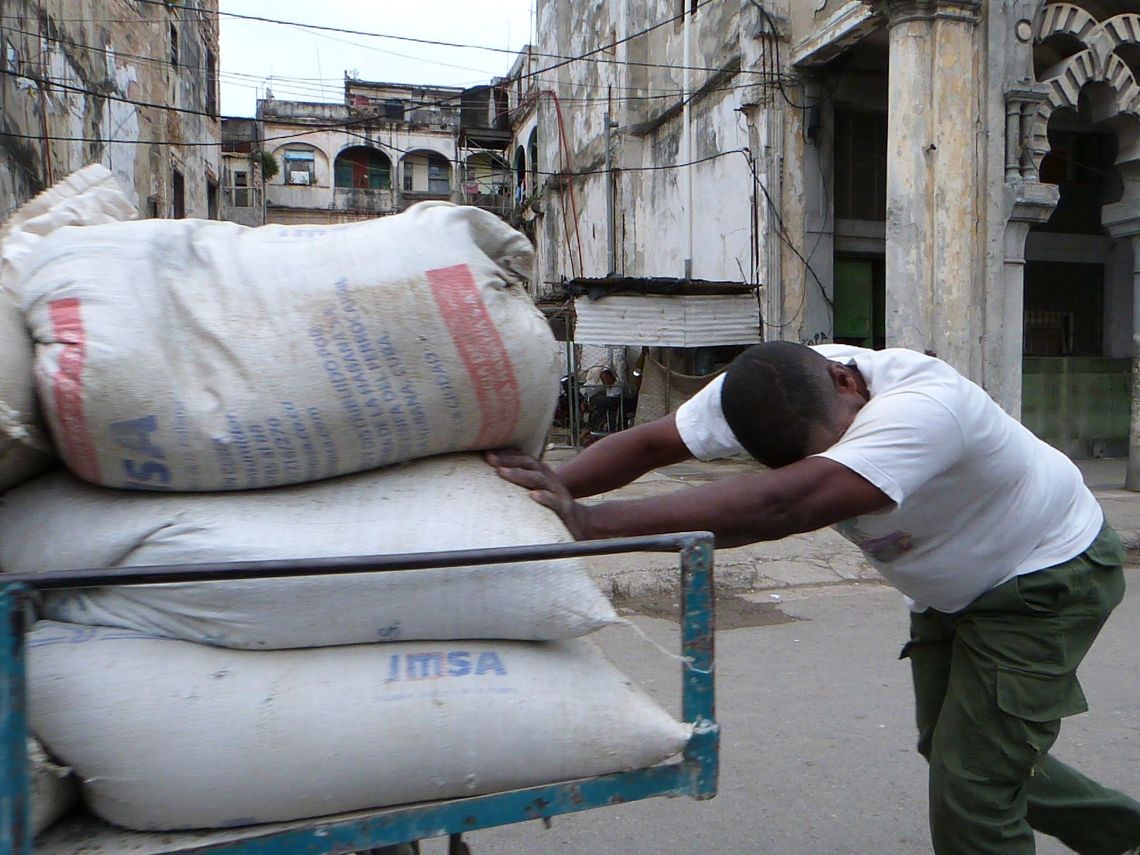
Disgust Provincial Scenarios: The case of Villa Clara and Guantanamo
According to the text published in GranmaIn Villa Clara, local production indicators show extreme deterioration.
Jesús Martínez García, director of the Provincial Company of Local Production of Construction Materials (Plomac), said that in 2020 the province produced more than 2 million blocks, one and a half million bricks and 243 thousand square meters of slabs for floors.
However, last May there had been still any block in 2025 and the delivery of bricks fell to 542 thousand units, well below the needs.
In addition, the three asphalt plants of the province, with the capacity to deliver 3 thousand tons per month, barely produced 3 thousand tons so far this year. At the same time, the crisis and prolonged blackouts have caused the exit of more than 300 trained workers.
In contrast, Guantanamo presents a local model with modest advances in endogenous resources production and management. The territory produces arid and wall elements (bricks, blocks, songs), as well as sanitary hydraulic pipes, among others, which have responded to a good part of their house construction demand, according to the official report.
Carlos Raúl Martínez, Vice Governor Guantanamero, informed that of 4191 basic cells approved, 3312 were completed. In particular, only seven of the 535 homes planned were pending in the capital municipality.
The productive potential of that province includes 63 ovens with annual capacity of six and a half million bricks and 42 minindustrias of materials in the same number of popular tips, although the availability of cement and steel limits full use.
Production of construction materials with a “noticeable” reverse in Cuba
The difficulties of the beneficiaries
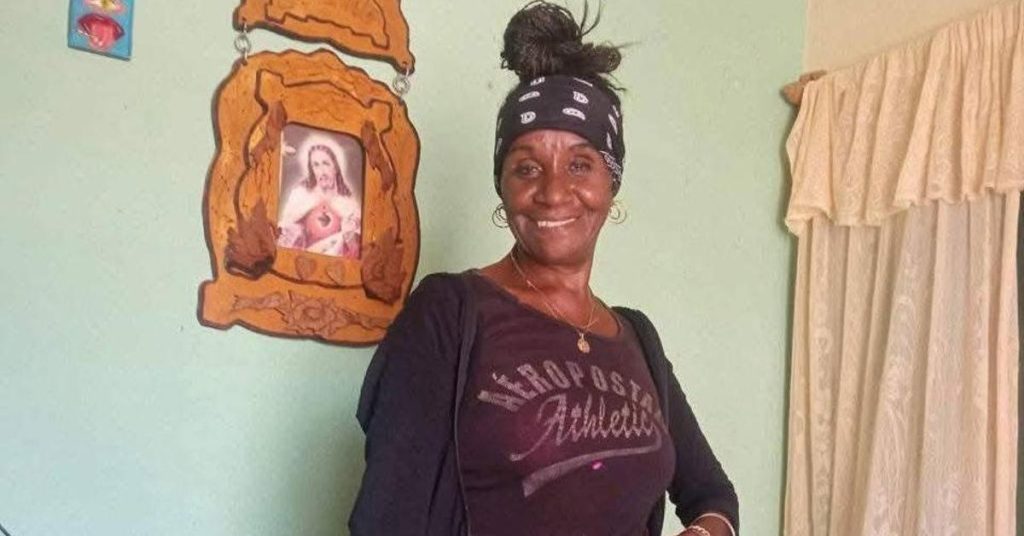
The case of Marta, a Cuban affected by the Rafael Cyclone in 2024, exemplifies the frustration of those who receive subsidies, but fail to finish their homes.
His sister, who suffered from pulmonary fibrosis, received a subsidy of 56 thousand pesos in 2020 to repair his house, but died without the work being executed, Narra Granma as an example.
Marta, who inherited the subsidy has not been able to repair the house in which both were born and lived all their lives. She continues to live with a sister -in -law in precarious conditions – “the furniture rot and her home is shelter for rats” – and without access to the materials that need multiple efforts.
The woman, says the report, already “lost the account of the times that has gone to the units for the sale of construction materials” and has returned with the same response: “there is no.” This, although right now he just wants, “to start, at least some tiles.”
Trace, official points for the purchase of materials, face serious supply problems. “Only two responded to our calls in Havana, and one does not receive materials since 2023” and the other “is only receiving products from aggregates, usually once a month and with indications of reduction,” said Granma.
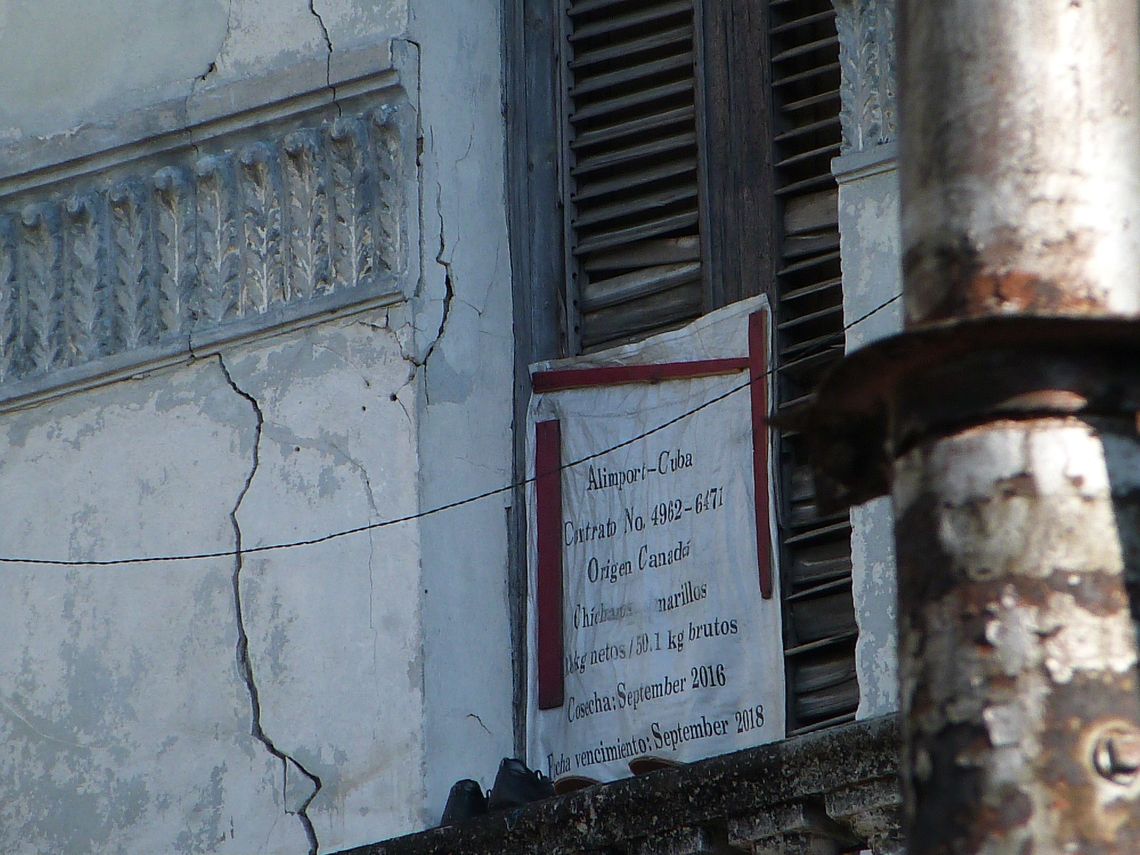
Changes in subsidies and future challenges
Since its creation, the government strategy for this sector has updated the assigned amounts. In 2012, the maximum limit to subsidize the construction of a 25 -square -meter house was 80 thousand pesos, with minor amounts for conservations. By 2021, these figures rose to 188 thousand 560 pesos for construction and up to 72 thousand for major conservations.
Despite these increases, material prices and lack of resources maintain the severely delayed program.
The beneficiaries have a period of up to seven business days to collect materials once available, although extensions are frequently awarded to the irregularity of the supply, they recognize consulted managers.
The vice governor of Villa Clara, Tomás Vázquez Enrique, insisted that “there are still reservations to increase the production” of homes. This, however, requires in his opinion of “a different look from the government to this matter, in addition to better coordination between the different entities that can support the program.”
In the critical economic scenario of the island and at the low rate of production and delivery of materials, try to reverse the growing housing crisis that the country suffers “will require much more than good will not to leave anyone homeless,” he says Granma.