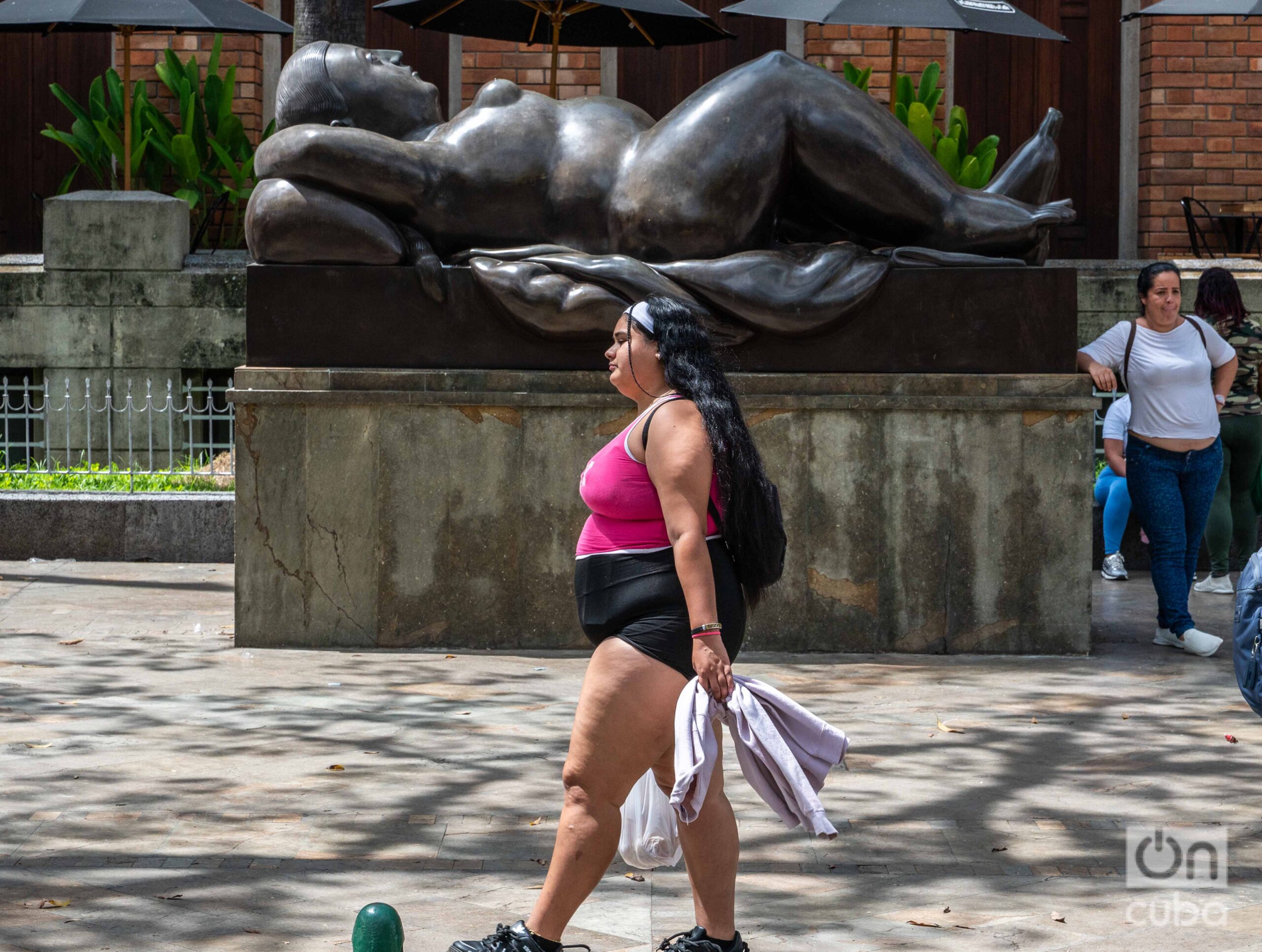
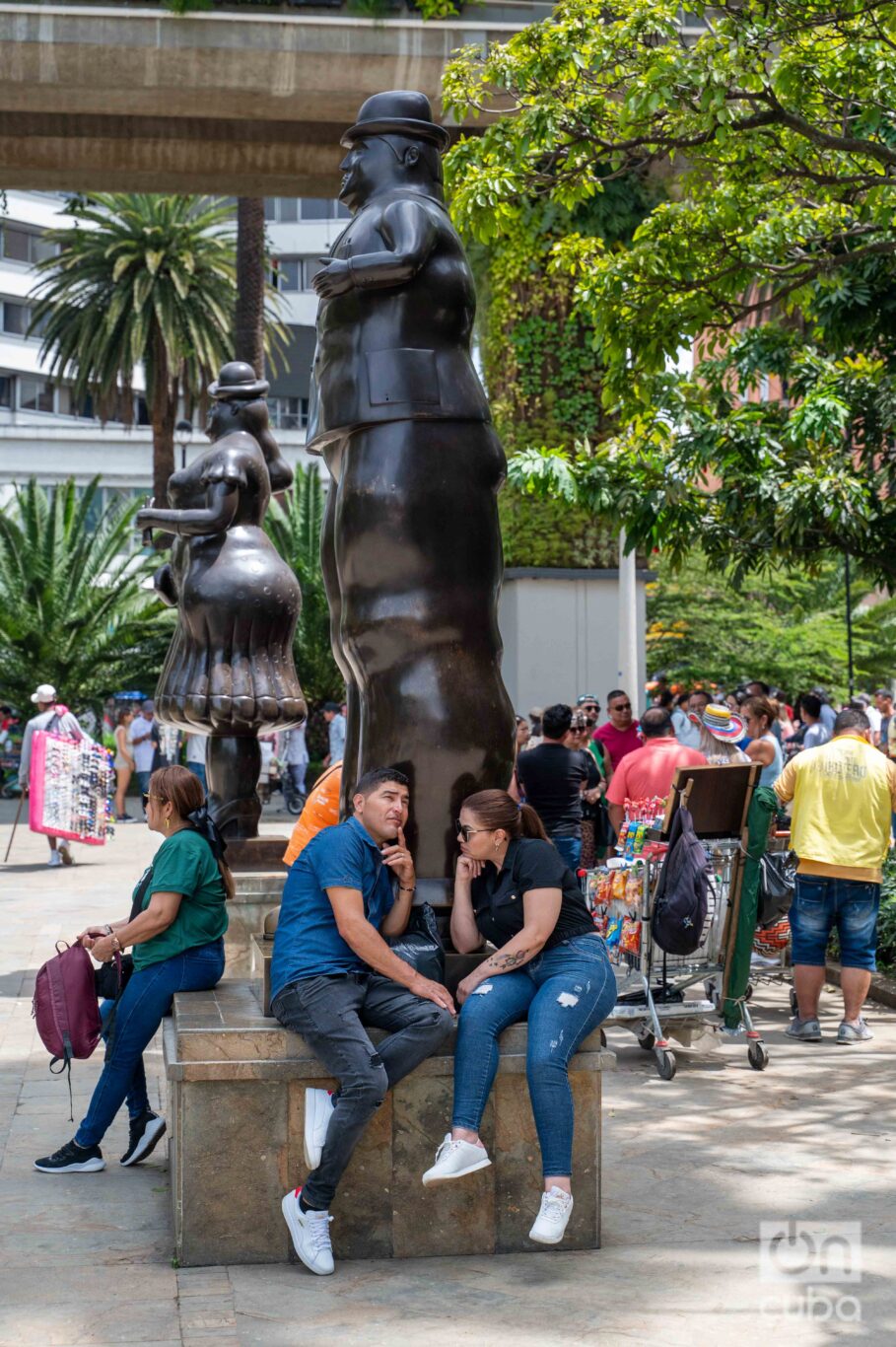
Plaza Botero, in Medellín, Colombia, is boiling. Vendors offering everything, tourists looking for their selfiehurried office workers, children chasing pigeons. And, in the middle of this incessant movement, the sculptures of Fernando Botero, immobile and, at the same time, crossed by the life that circulates around them. It is no coincidence that the place has become one of the most emblematic spaces in the city, where art, history and everyday life intertwine.
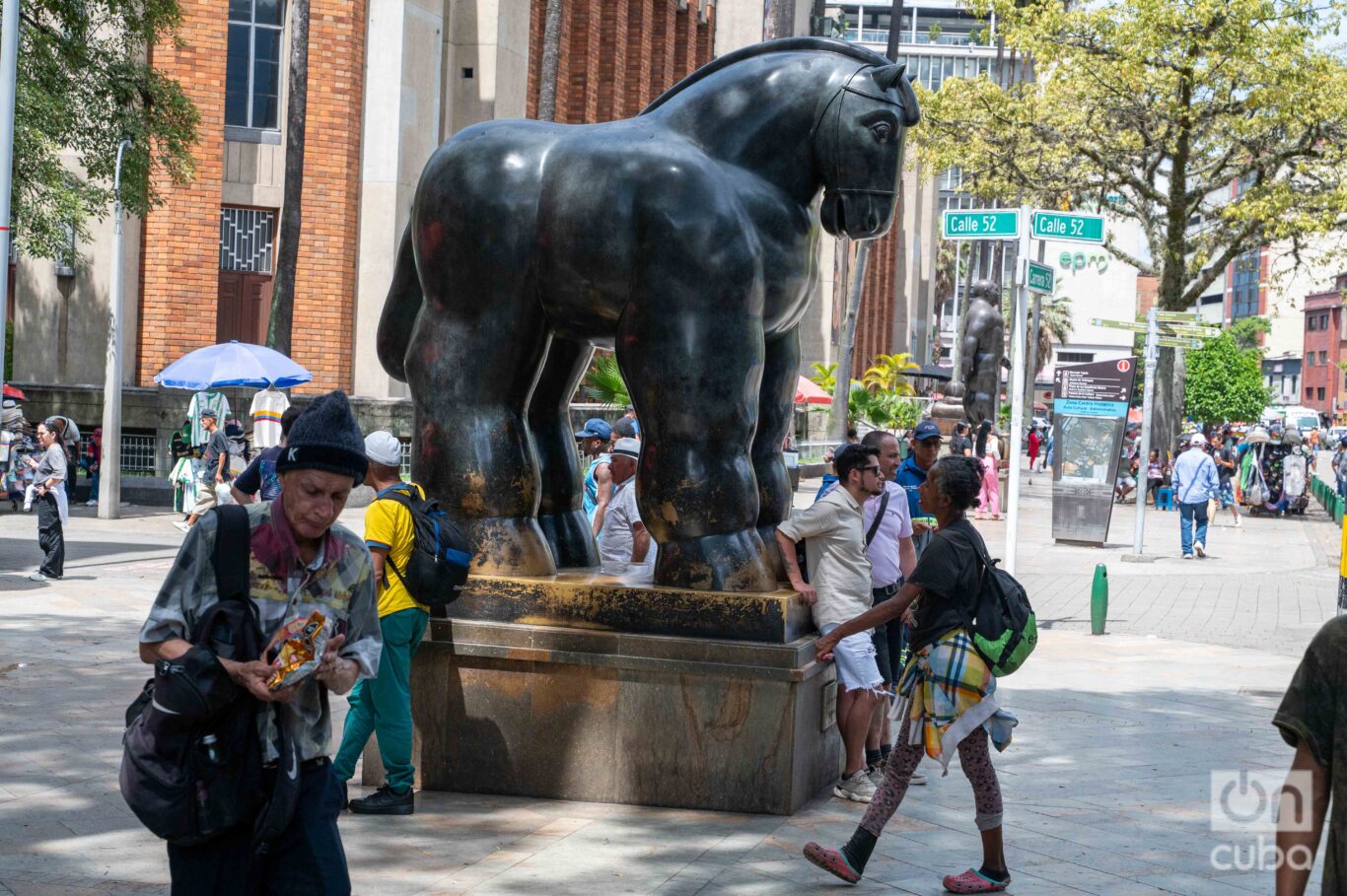
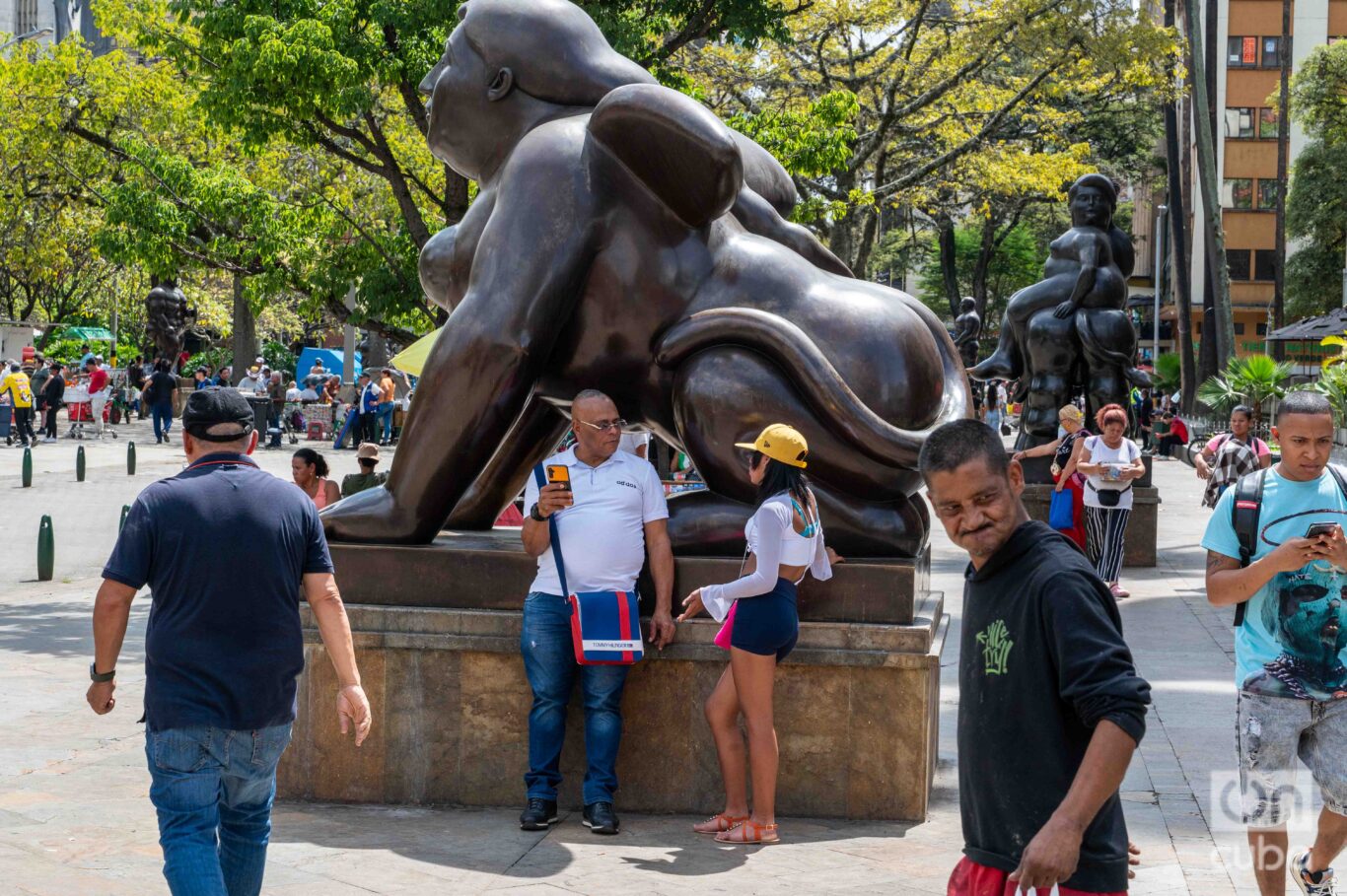
The figures, with their unmistakable volumes, are not hidden behind display cases or barriers. They are there, within reach. Botero wanted his art to coexist with the street, to mix with the people. His conviction was simple and powerful: the voluptuousness of the form should produce joy and art, pleasure. The bronze of the works, already polished by thousands of hands that caress them, seems to confirm this.
Fernando Botero was born in Medellín in 1932 and from a very young age he understood that his path would be linked to a personal search for form. He lived and worked in Colombia, Mexico, the United States and some European countries, and built a work recognizable on a global scale, alien to dominant fashions and schools. His language, marked by the expansion of volume and the deliberate distortion of proportions, made him one of the most identifiable Latin American artists of the 20th century.
Painter, draftsman and sculptor, Botero exhibited in the main museums in the world and his works make up public and private collections in cities such as New York, Paris, Madrid or Berlin. Beyond style—frequently reduced to the adjective “fat,” which he himself rejected—his work addressed universal themes: power, religion, violence, daily life and Latin American history, always from a critical, ironic and deeply humanist perspective.
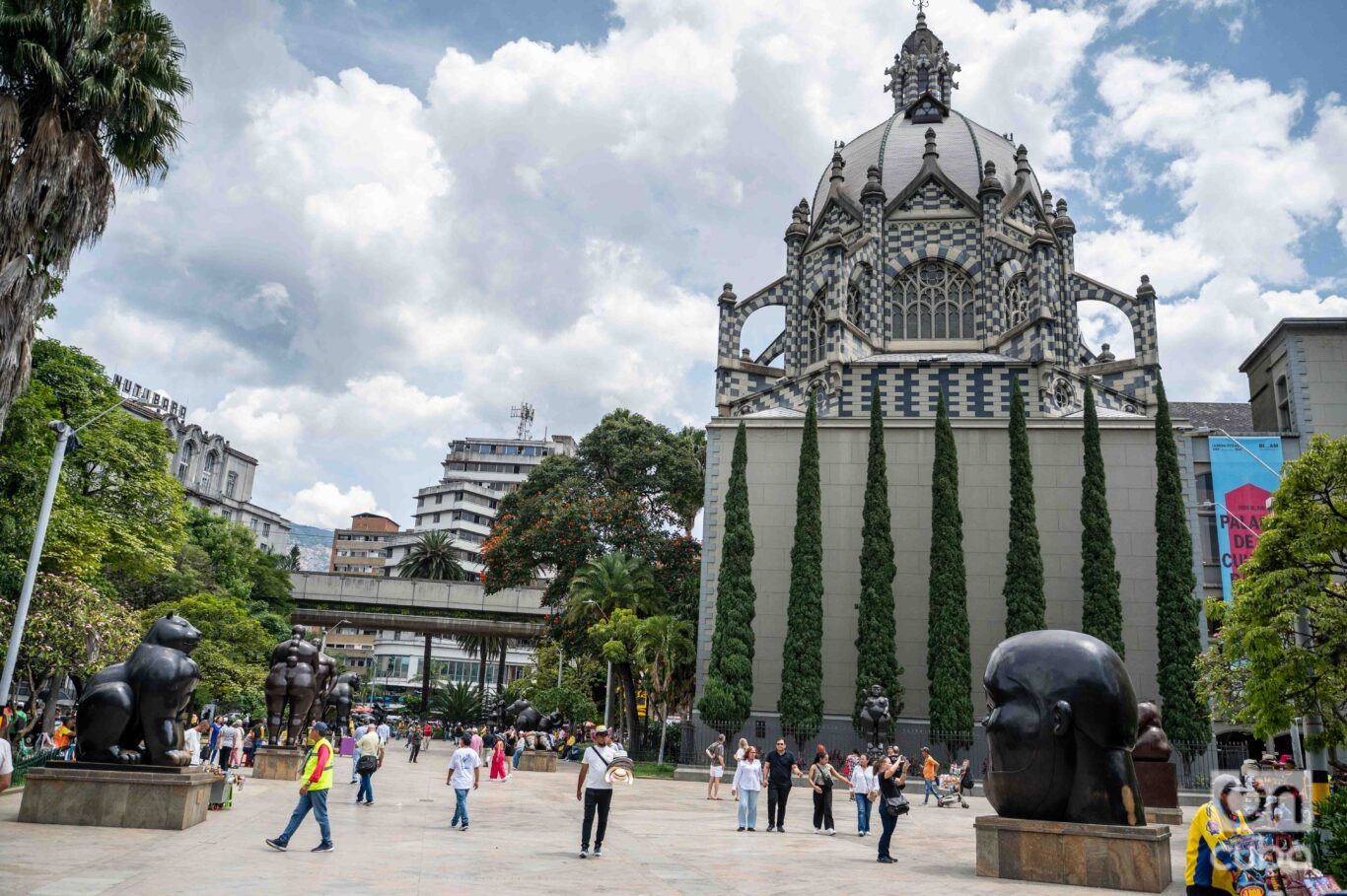
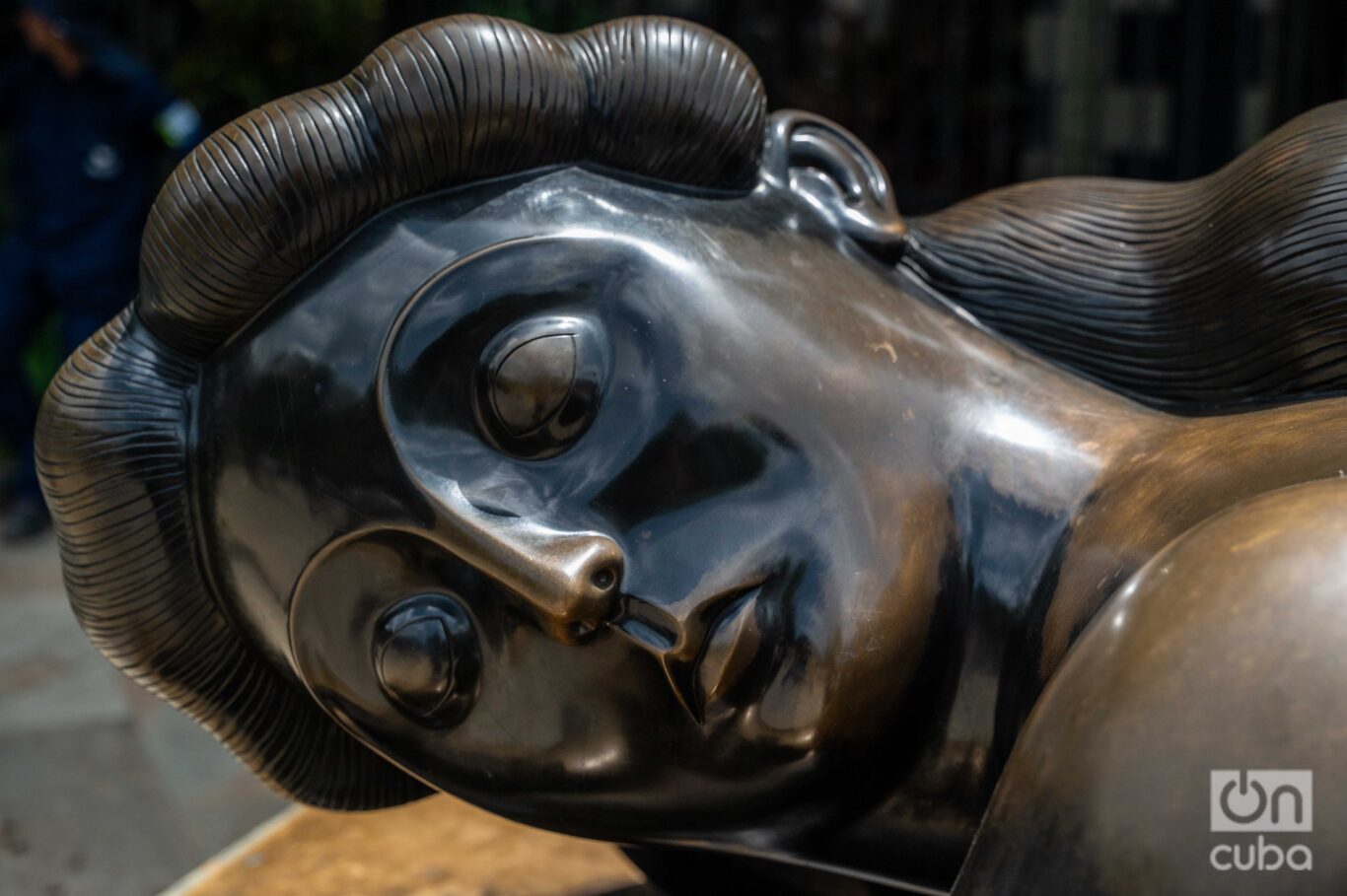
The sculptures that inhabit the square that bears his name share a material and formal logic. They are monumental pieces, cast in bronze, with curved surfaces and dilated proportions that amplify the gesture and the body. They usually weigh several tons and are deployed on low bases, almost level with the floor, precisely to facilitate the proximity of the public. Among the titles that allow us to read the Botorean universe are Facing the sea, The husband and wife chamber, Counterpoint and Bishop’s headpart of a legacy recognizable for its humor, its sensuality and an always hinted at social criticism.
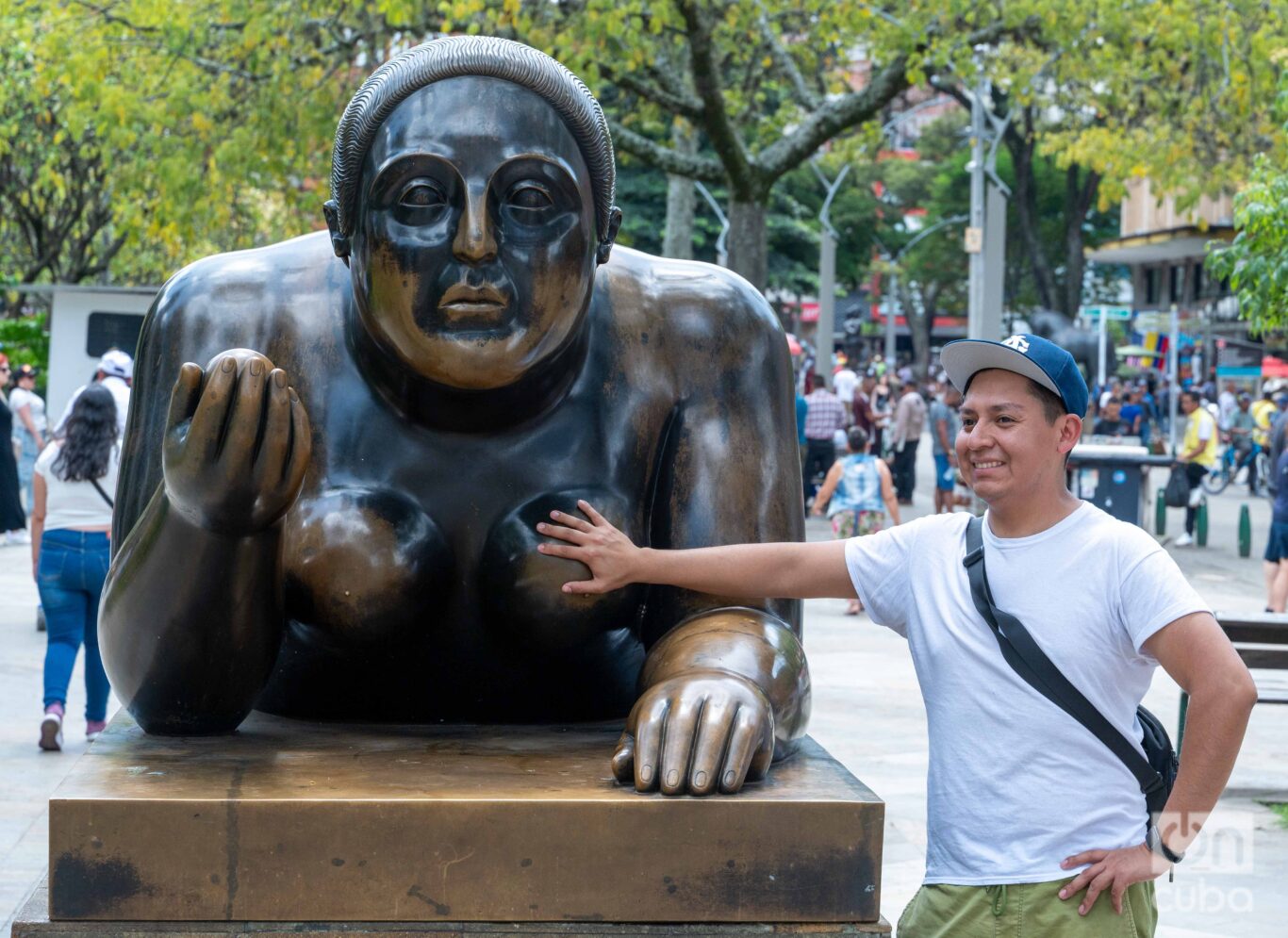

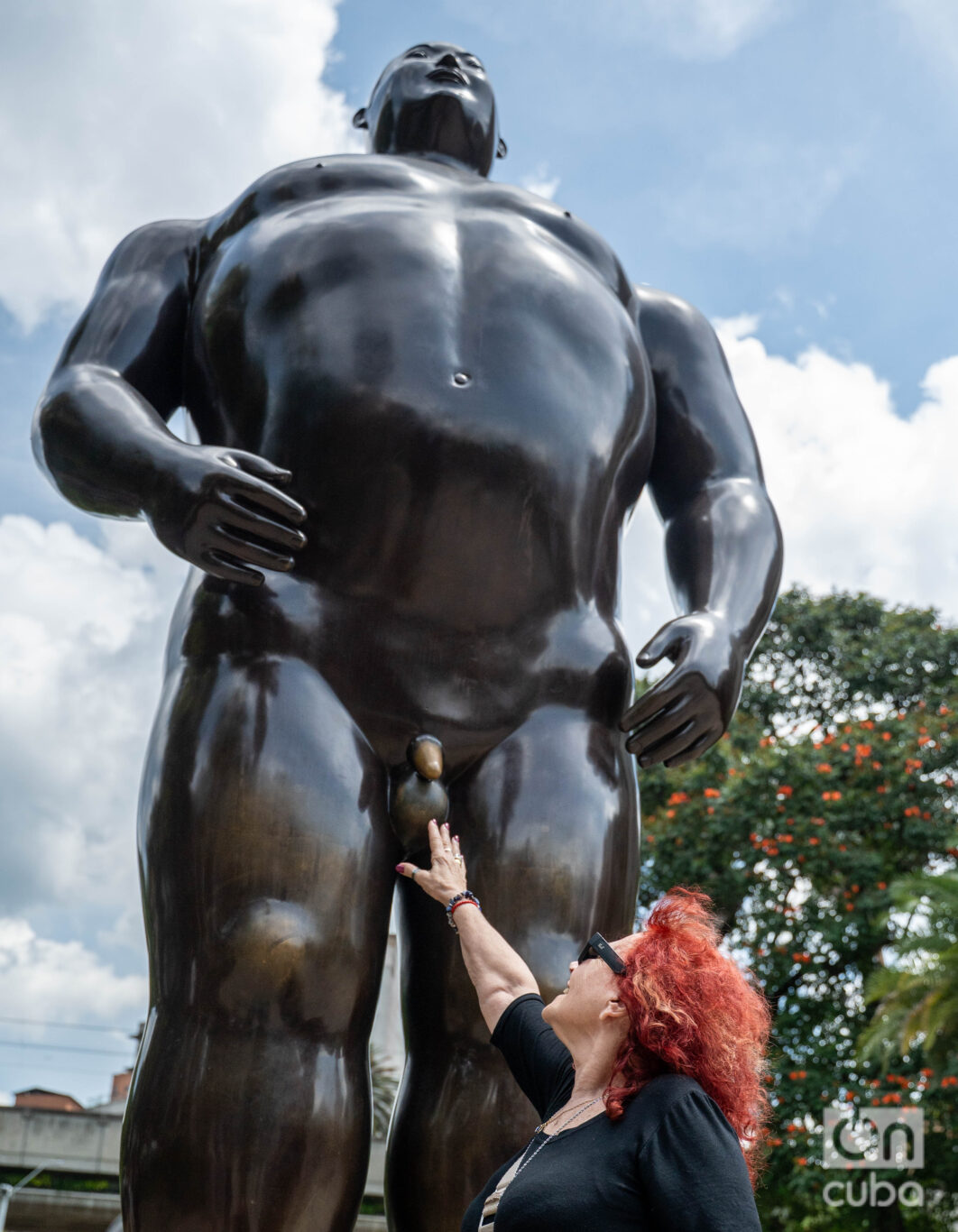
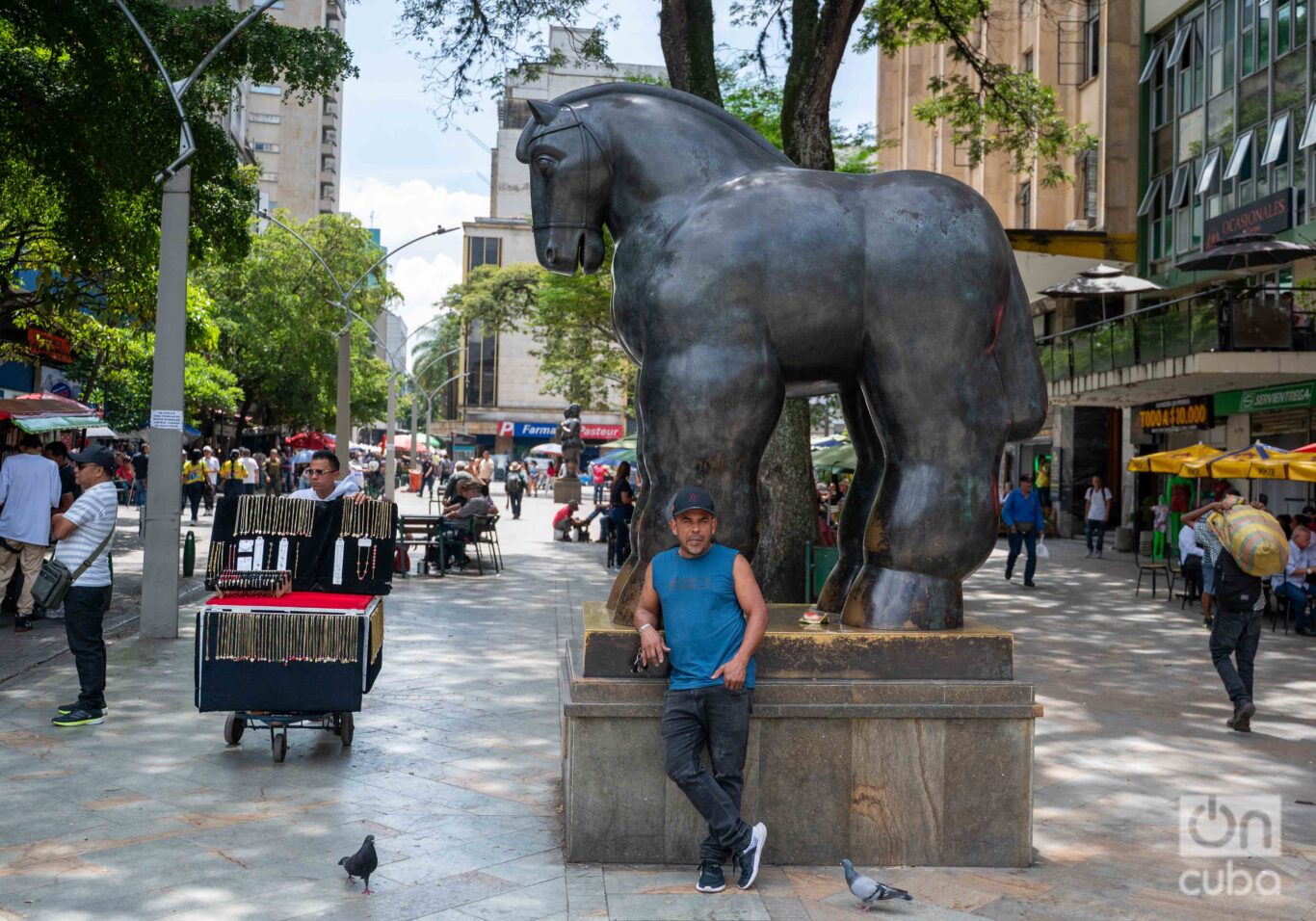
Another plot beats around the sculptures. Informal economy, prostitution, police, survival on the edge, disputes over territory. This coexistence between beauty and rawness turns the place into an urban x-ray. There, legal and illegal activities, precarious jobs and permanent controls intersect. Everything happens, sometimes, in the same square meter. The square shows, without makeup, the tensions of the city.
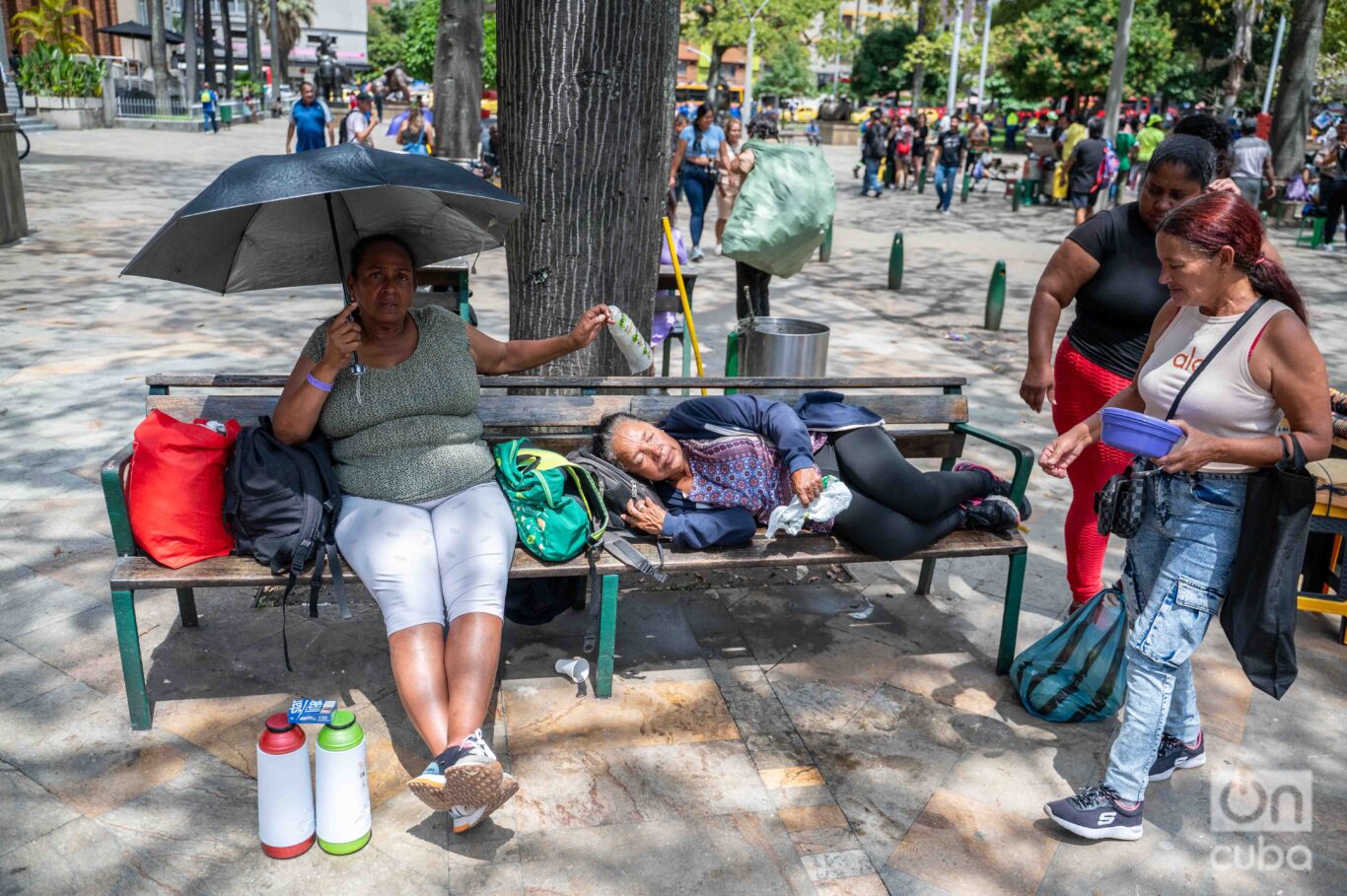

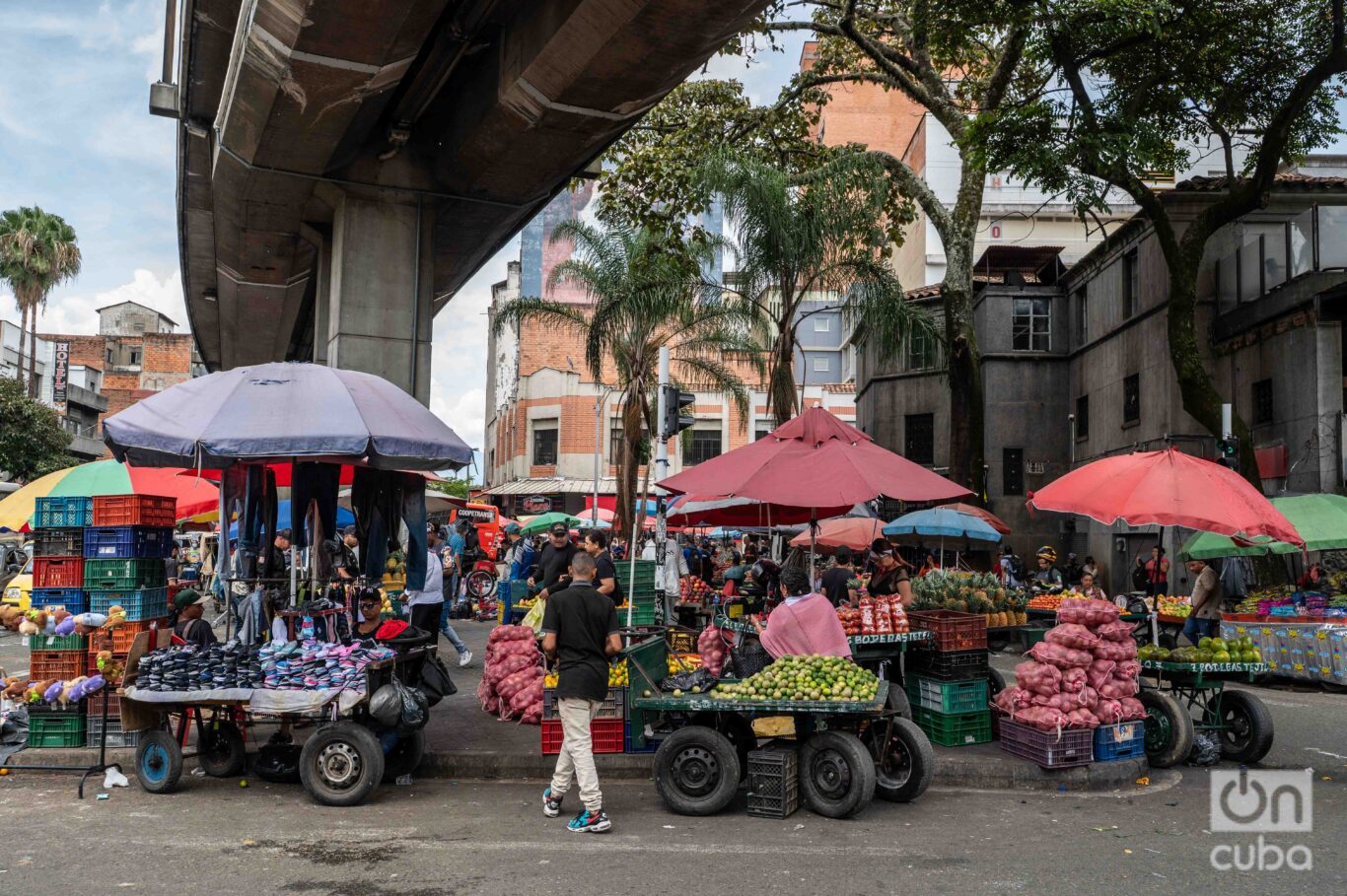
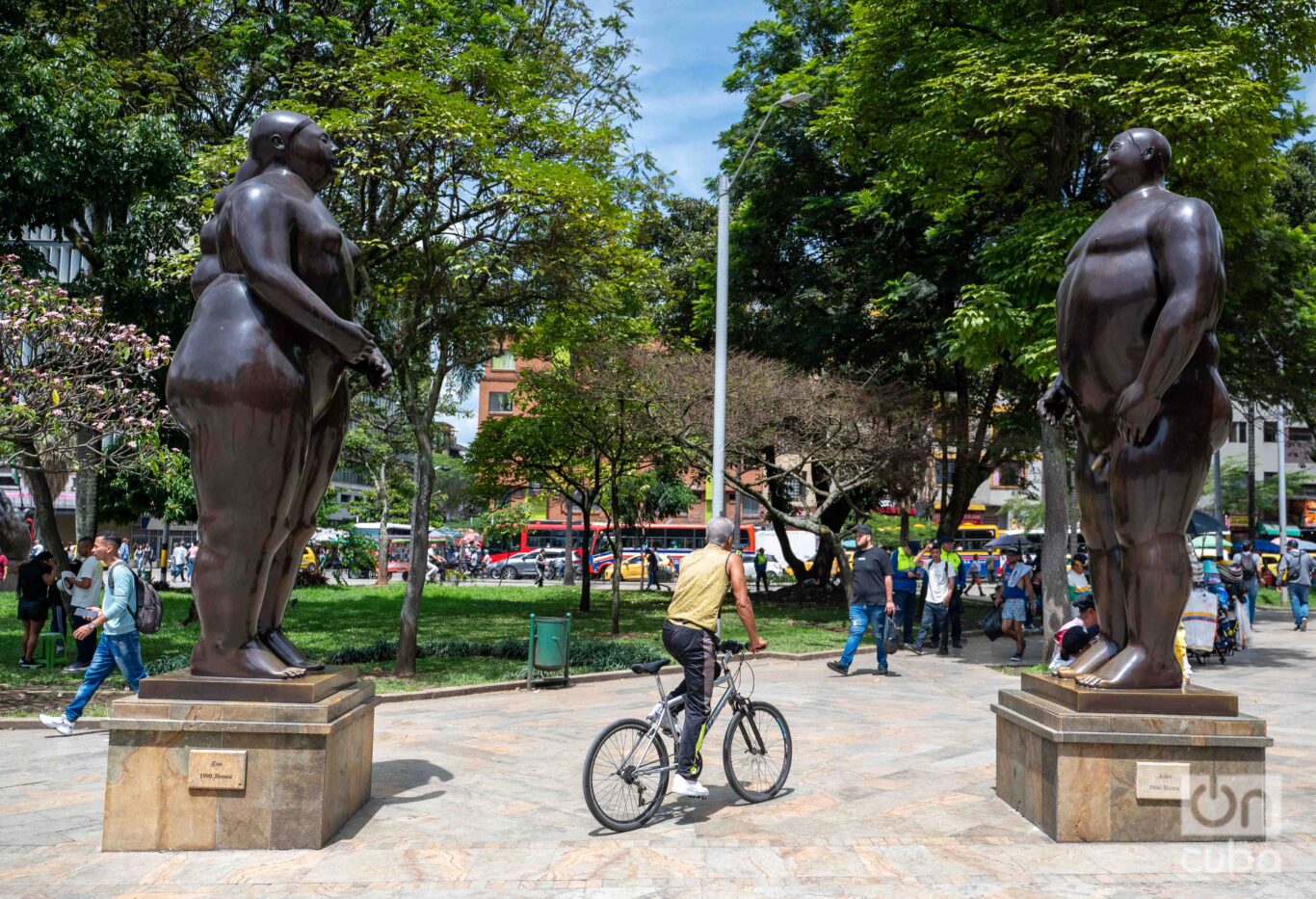
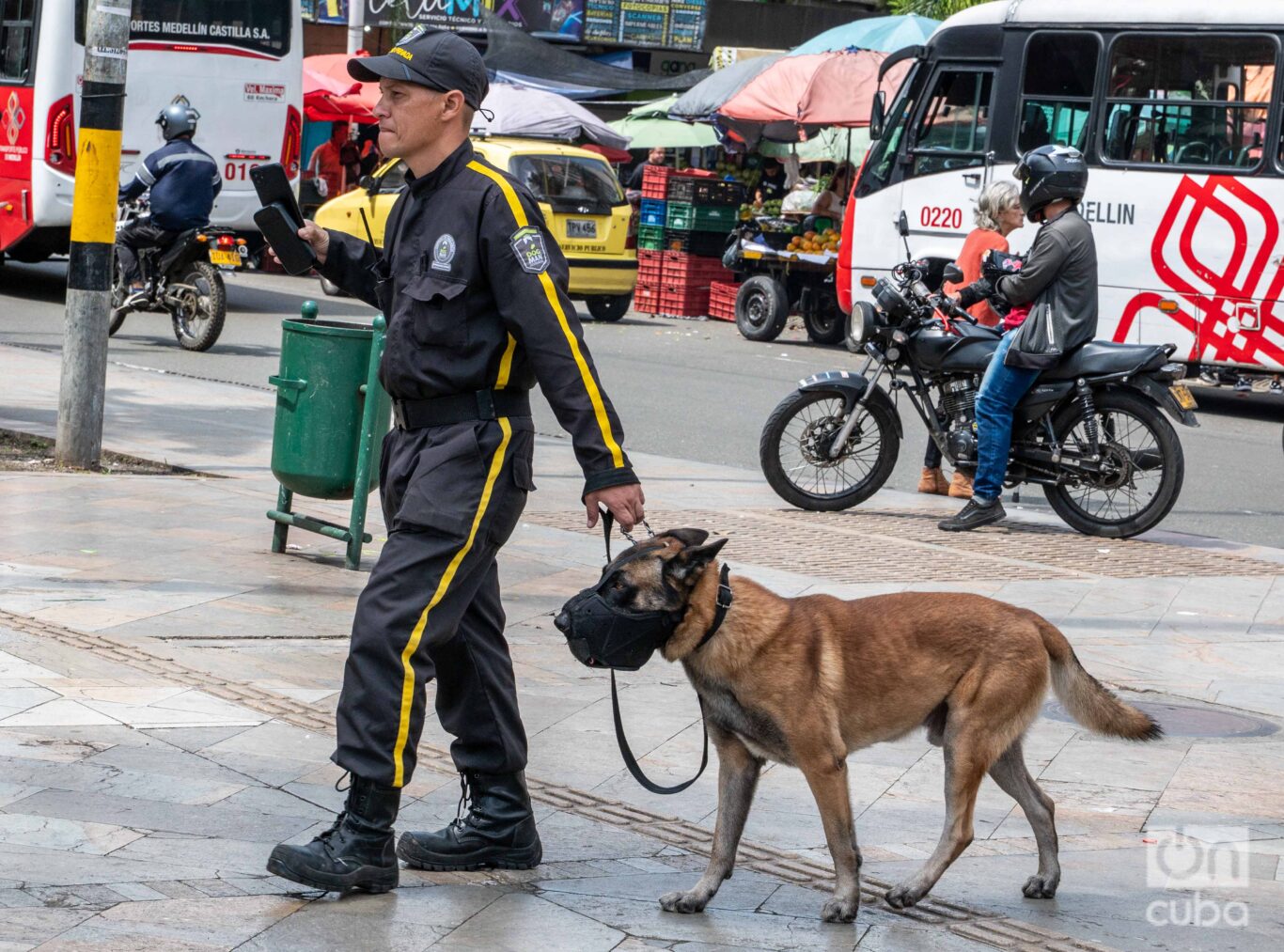
In that landscape, art functions as a switch. It does not solve the problems, but it illuminates them from another angle. Since its inauguration in 2001, Plaza Botero was designed to be open and without filters. It was born from a generous donation and a clear idea from the artist himself: that the sculptures remain in the public space and dialogue with those who inhabit it, also creating a cultural axis next to the Museum of Antioquia.
The appropriation, however, was never uniform. There are those who come to contemplate, while some pass by and others find an opportunity to search in the square. This multiplicity explains why it is thought of as a territory in permanent negotiation. A site that forces us to ask who art is for, how common spaces are inhabited, and what it means to talk about transformation when visible inequalities persist.
Botero understood early that public art speaks differently. Proximity modifies the experience and enables dialogue. In the square, this coming and going becomes daily. And that is the true pulse of Plaza Botero, what its author dreamed of: art as part of daily life, without solemnities.