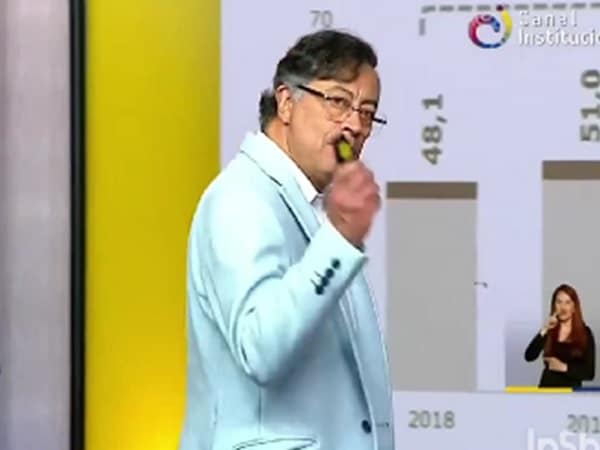
A great national controversy unleashed his comment on a possible rise in the price of fuels.
News Colombia.
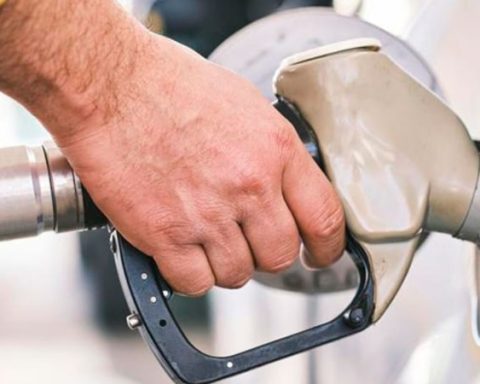
In his most recent presidential speech, Colombian president Gustavo Petro defended his new tax reform proposal with a statement that has generated intense reactions: “The poor almost uses gasoline; the one who uses the most is that of the four -door car.” The phrase was part of his argument to justify a possible increase in fuel taxes, which according to him, would not directly affect the popular classes.
See: The tax reform that divides Congress: Liquors, churches and digital platforms
Petro said that the new tax package is designed to “Pay more those who have the most” and not low -income workers or citizens. As explained, the consumption of gasoline is highly concentrated in the sectors with the greatest purchasing capacity, so a tax on this item would mainly impact private vehicles, especially mid -range and high.
#NoticiasColombia | A great national controversy has unleashed Colombia Gustavo Petro by referring to the arguments to defend the increases in gasoline with the new tax reform it proposes. During his speech, the president of the Colombians … pic.twitter.com/u6ehhna1ma
– Tubarcco (@tubarconews) SEPTEMBER 3, 2025
The reform seeks to raise more than 26 billion pesos to cover the fiscal deficit projected in 2026. Petro warned that if Congress does not approve the project, the government would be forced to raise the price of gasoline to obtain missing resources. “If the tax is not approved, only gasoline remains,” he said, appealing to a political and economic decision that has already generated controversy in the past.
However, his statements were strongly criticized by economists, analysts and opposition sectors, who pointed out that much of the consumption of gasoline in Colombia comes from informal workers, small carriers and peasants who use motorcycles and basic vehicles to work. “It is a mistake to assume that only the rich use gasoline,” A investigator at the Fiscal Observatory at the Javeriana University said.
In addition, union sectors warned that an increase in fuel taxes could generate a domino effect on public transport prices, food and other assets of the basic basket, directly affecting the most vulnerable. They also questioned that the measure contradicts the official discourse to protect the popular classes from new economic burdens.
Despite criticism, the president maintained his defense of the project, ensuring that he is based on principles of tax justice and equity. “The secretary of a banker pays more taxes than the banker”, He assured, reiterating his intention that taxation focuses on great income and not on popular consumption. Congress must discuss and define the future of reform in the coming weeks.
It may interest you: