This Monday, the Government of Cuba raised the official death toll from the current coronavirus epidemic to 44. dengue and chikungunya that plagues the island.
The Vice Minister of Health, Carilda Peña, reported this Monday in a televised intervention that, only In the last week, 11 new deaths were confirmed, eight of them in minors.
Of the deaths reported by the official, seven were due to chikungunya – six of them under 18 years of age – and four due to dengue, among which there were also two minors.
In this way, Children and adolescents are confirmed as the group with the most deaths in the epidemicaccording to official records.
In a previous reportof 33 confirmed deaths then 21 were minors. With the eight reported now, that number rises to 29, more than half of the total fatalities.
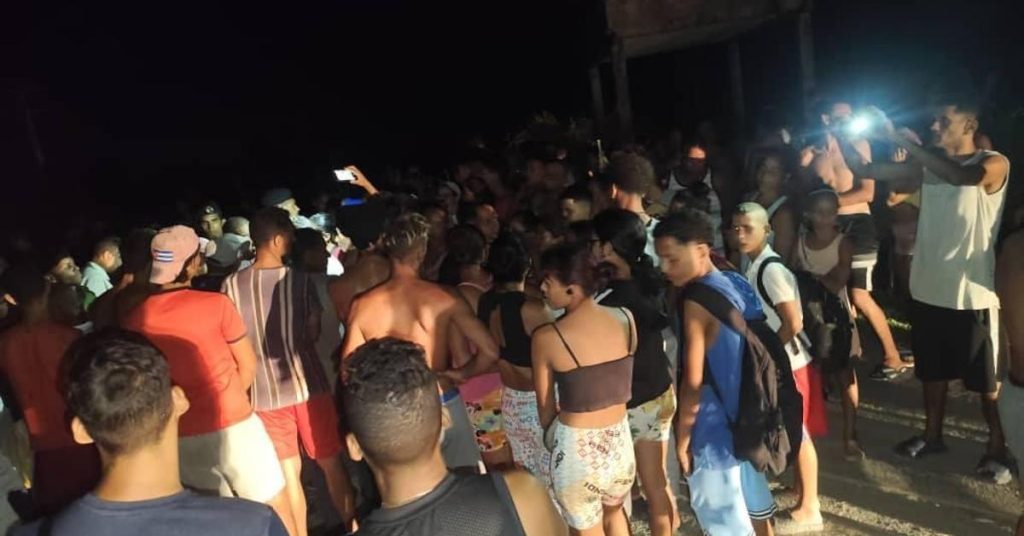
However, the official number of deaths is considered much lower than the real number by independent experts and many Cubans. Meanwhile, cases of people who have lost their lives during the epidemic continue to be reported on the networks, as well as activity much higher than normal in hospitals, funeral homes and cemeteries on the island.
Peña explained that on Sunday 3,063 cases of nonspecific febrile syndrome were reported, as well as 385 new diagnoses of dengue and 199 of chikungunya, referred EFE.
The total number of people admitted amounted to 32,553, with 70 patients in intensive care, in which minors also predominate. Among them, 11 were in “critical, but stable” condition.
Cuba officially exceeds 40 thousand cases of chikungunya and leads the incidence rate in America
Health crisis in Cuba
According to the vice minister, the accumulated cases of chikungunya reached 42,015 at the end of last week, although she did not offer updated figures for dengue.
However, data from the Pan American Health Organization, cited by EFEthey register 25,995 cases of dengue in Cuba until the end of November.
Health authorities confirmed again that no more cases of oropouche have been detected.
Peña highlighted a decrease in fever cases compared to the previous week —27,707 compared to 38,788—, which he described as a sign of the “results” of the actions taken against the epidemic, despite numerous criticisms and citizen complaints.
The Cuban Government officially recognized on November 12 the existence of a chikungunya and dengue epidemic, despite the fact that the first cases had been detected in June and the infections skyrocketed in September and October.
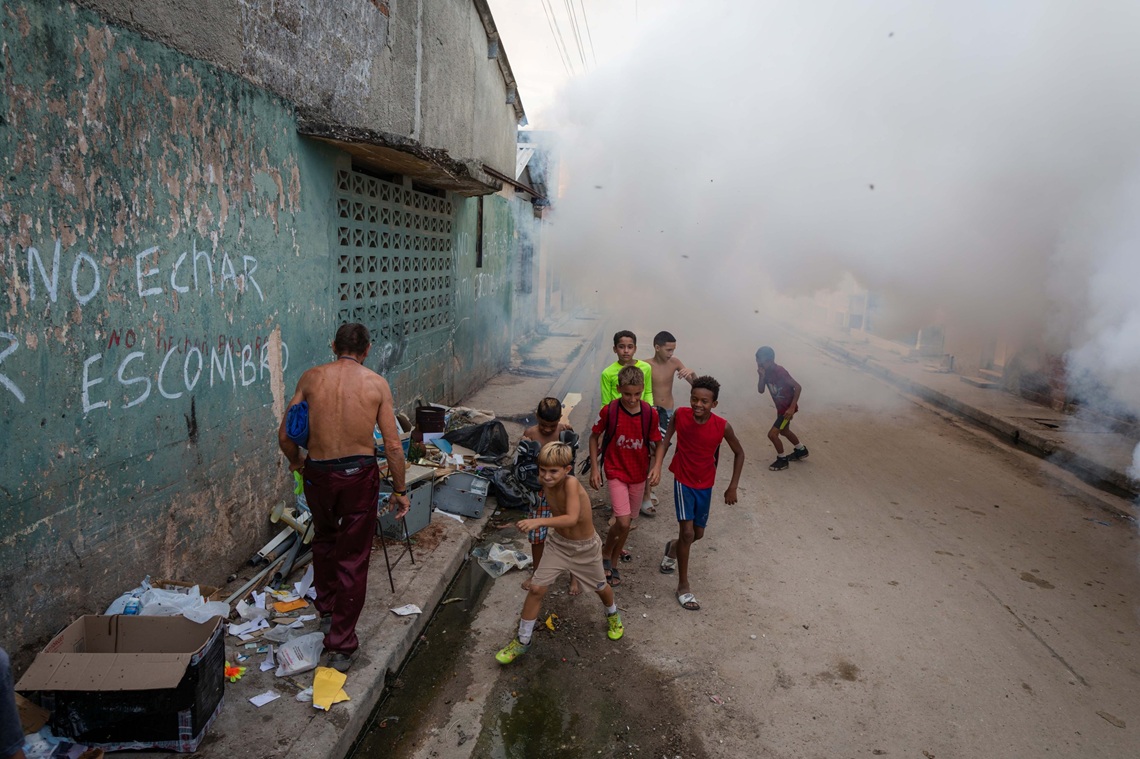
The expansion of the outbreak has been favored by the serious economic crisis of the country, which limits prevention capabilities, including mass fumigation, diagnosis and medical care due to shortages of supplies and medicines.