Users report scams.
News Colombia.
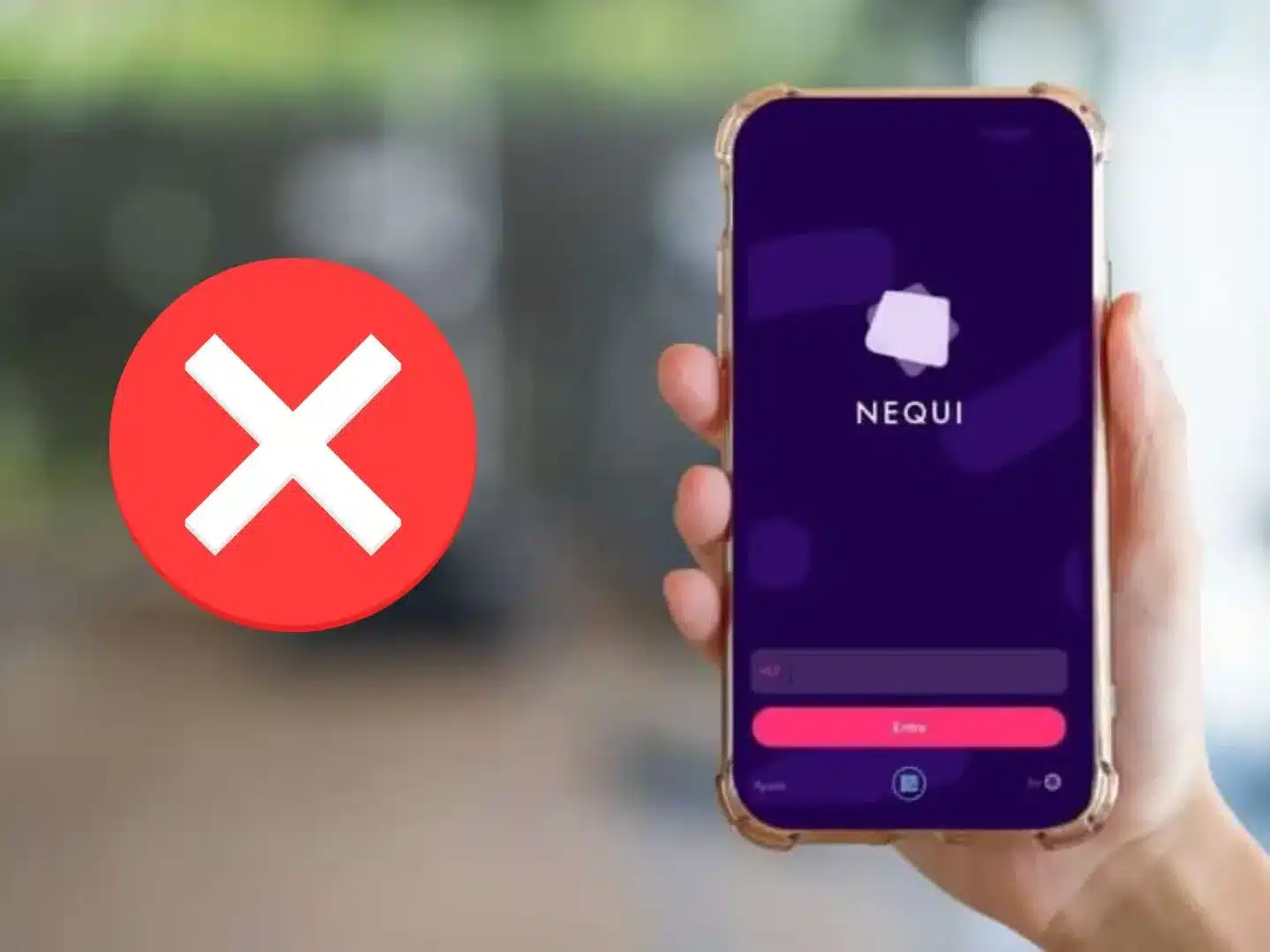
In recent weeks, Nequi users have begun to report a type of scam that takes advantage of one of the central functions of the application: requests for money. Although this tool was designed to facilitate everyday transactions, criminals have found in it a quick and silent way to empty accounts with a single touch. The increase in reports, especially during the holiday season, has set off alarms.
Nequi allows you to send and receive money instantly without the need for traditional banking procedures. Among its functions appears the option of accept or reject money requestsa useful mechanism for those receiving payments from clients, friends or family. However, this facility has become a weak point when the user does not distinguish between a legitimate request and a fraudulent charge.
In the recently reported scam, the notification reaches the cell phone as if it were a transfer to be accredited. Added to this is a message or call from a supposed buyer or sender who insists that the money has already been sent and that all that remains is to “approve.”
The deception strategy: pressure, repetition and confusion
Scammers don’t just submit a single request. According to testimonies, some users have received more than a dozen consecutive requests with the same value in a matter of minutes. The objective is to generate confusion and urgency, two factors that can lead to the impulsive error of pressing “Accept” without reading in detail the type of operation.
The action, which seems innocuous, is actually an authorization of collectionnot income. In other words, the user approves that the money comes out of his or her own account. In a matter of seconds, the silver is transferred, usually to accounts that are impossible to trace quickly.

Although any distracted user is at risk, there are groups that are especially exposed.
On the one hand, older adults Those who are not completely familiar with digital processes can rely on the legitimate appearance of the notification. On the other hand, traders and informal workers who depend on quick transactions to avoid losing sales. In high demand seasons—like December—the pressure to close payments favors criminals.
Testimonials published on social networks confirm the reach of this modality. Some users managed to detect in time that it was not a real transfer, while others reported having lost monthly payments, savings or amounts intended for family expenses.
Warning signs that should not be ignored
Experts and the platform itself recommend carefully reviewing each notification before acting. Among the most frequent signs of scam are:
- Unexpected requestswithout prior conversation with the supposed sender.
- Repetition of requests in a few minutes with the same value.
- Insistent calls or messages that seek to generate urgency.
- Disappearance of the money when accepting, which shows that it was a charge.
The key is to always check the header that appears on the screen: “Money request” indicates that the action will imply an outflow of funds.
What to do if the mistake has already been made
When the scam takes place, time is decisive. The first thing is to contact Nequi through official channels: chat within the app, hotlines or verified social networks. The platform can block further movements if you act quickly.
Subsequently, the victim must file a formal complaint with the Prosecutor’s Office, incorporating any data from the receiving account involved. It is also advisable to lock the account in the application – if access is maintained – and notify the partner bank in case there are linked transactions that require reversal or investigation.
Screenshots of the requests, messages or calls received will serve as evidence to accompany the process.
A call for prevention
Although digital wallets have transformed the way millions of Colombians manage their money, scams continue to evolve. The recommendation is clear: read before acceptingdistrust external pressures and always verify the nature of each movement. In the digital environment, a single click can mean the difference between a secure transaction and complete loss of funds.
See: