A designer handbag can cost between one thousand and five thousand dollars in New York. A Neverfull by Louis Vuitton, a Lady D-lite from Dior or a Puzzle by Loewe are symbols of luxury displayed behind glittering showcases on Fifth Avenue. However, in the same city where these bags are an object of desire, there is a parallel market that offers them in imitation versions for just a few hundred dollars.
The epicenter of this trade is on Canal Street, in the heart of Chinatown, in lower Manhattan. Although I ended up there, I confess that my goal was not to buy handbags. He was looking for another corner: that of Walker Street and Cortlandt Alley, today called ““Charly García Corner”where the Argentine rock star photographed himself four decades ago for the cover of Modern clicksan album that over time would become a classic.
Google Maps showed me the route: take the subway and, after about twenty minutes of travel, get off at the Canal Street station to exit at the entrance to Broadway. I followed the instructions to the letter. Upon emerging to the surface, the city greeted me with its usual vertigo and an added surprise: the hectic trade in imitations.
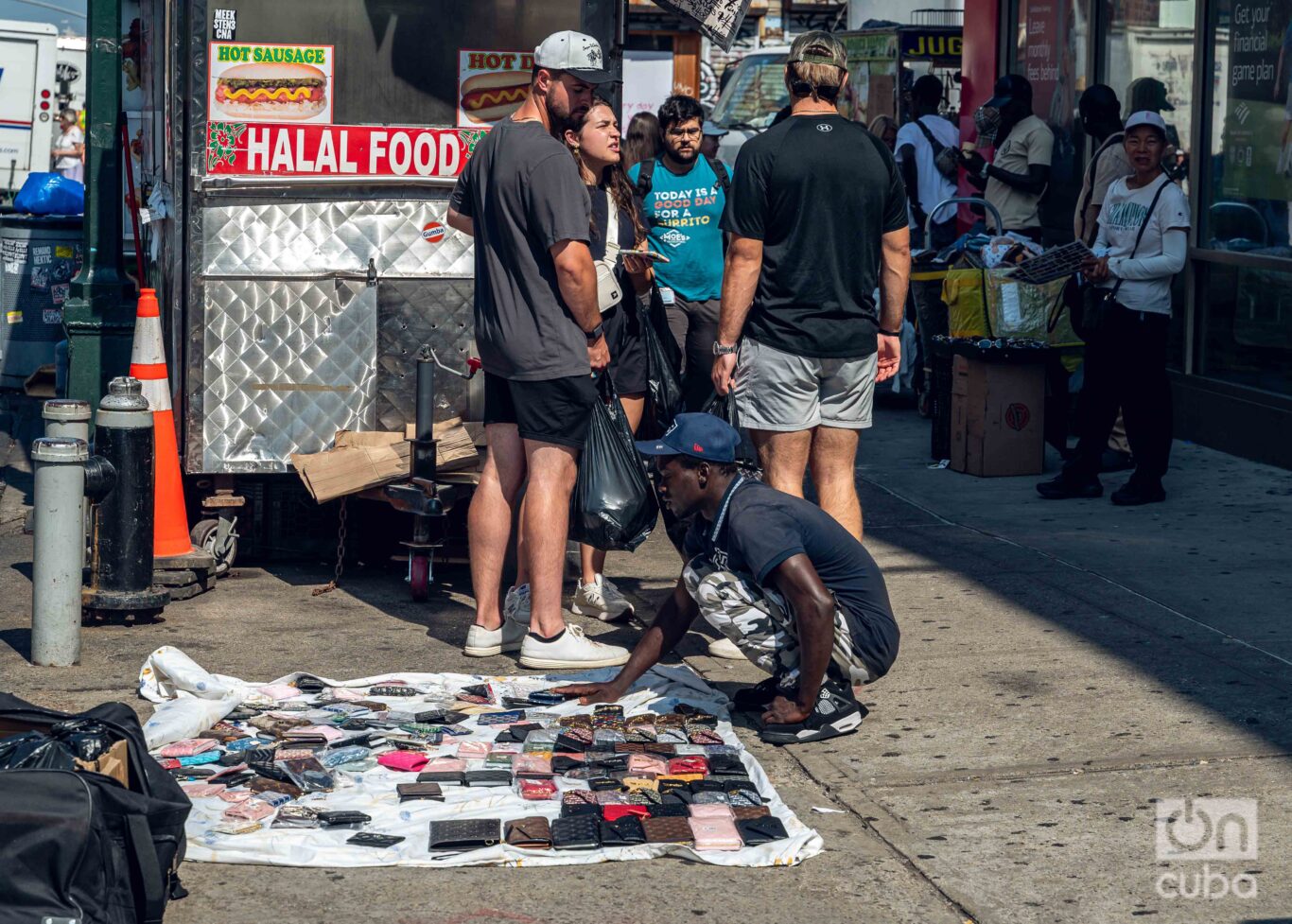
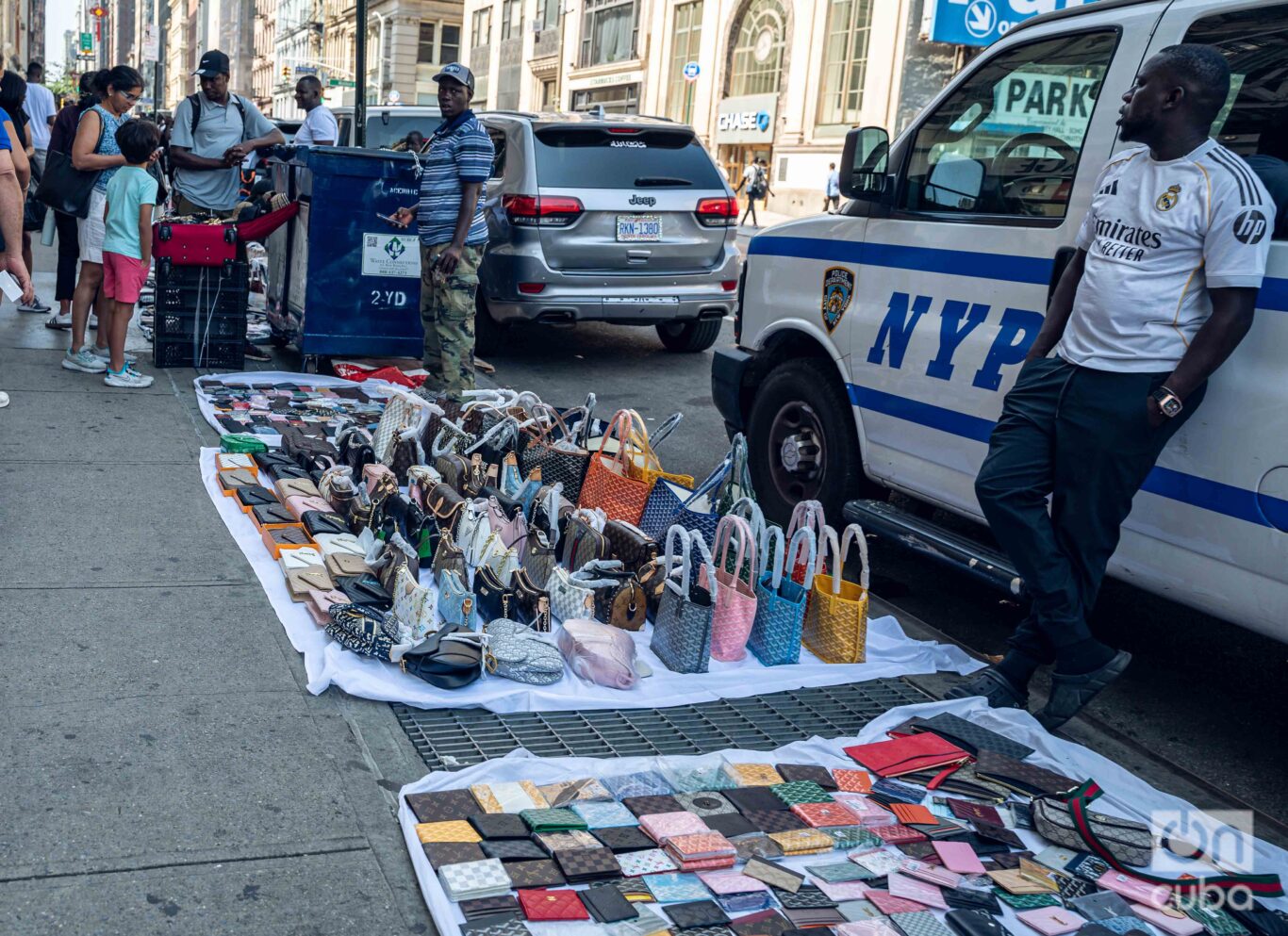
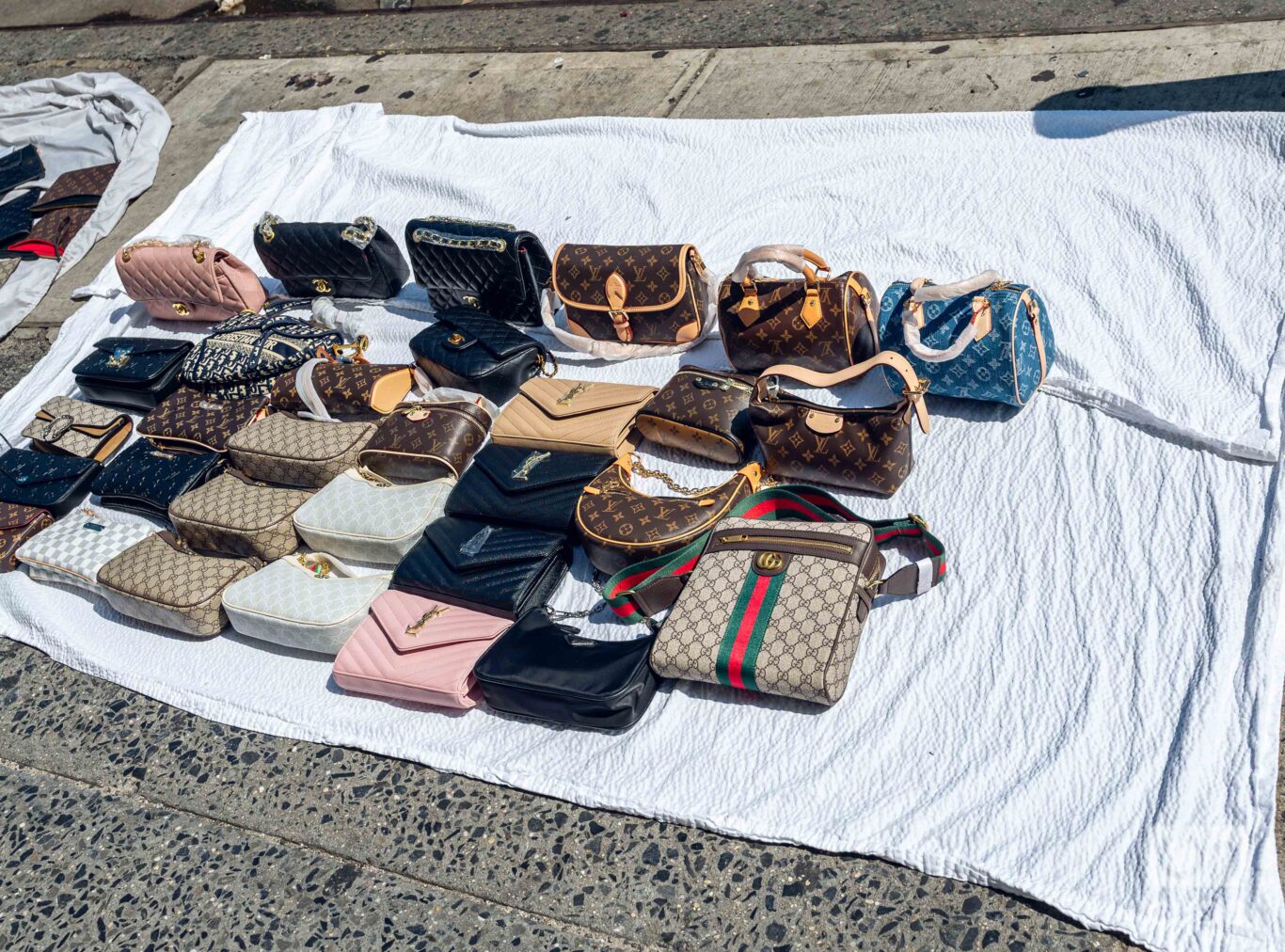
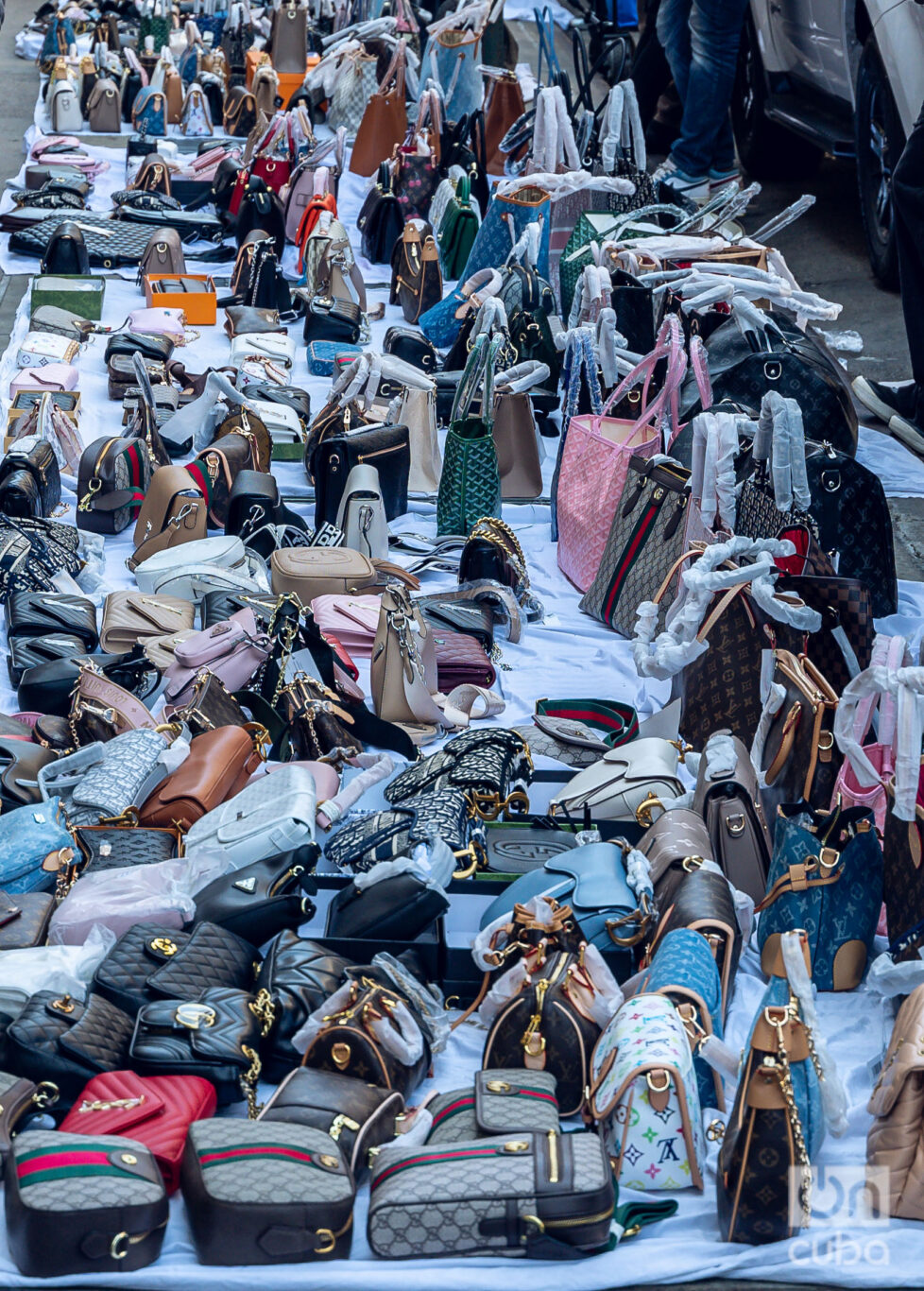
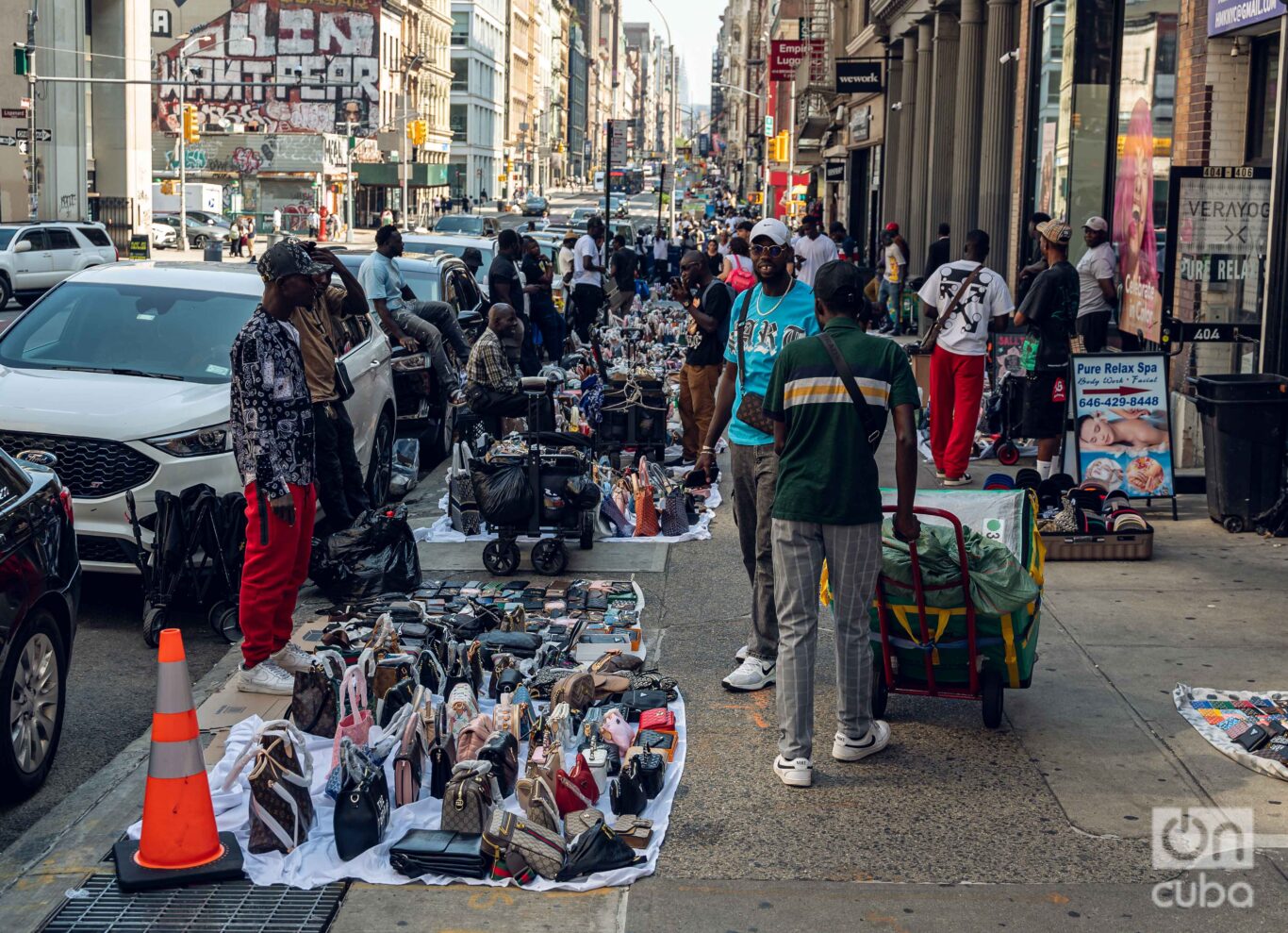
“Too many strange things are happening / for everything to remain so normal,” Charly sings in one of the songs on Modern clicks. The phrase fit perfectly with what he saw on Canal Street. The first impression was visual: the sidewalks overflowing with bags, backpacks, sunglasses and souvenirs. Everything seemed like an open-air fair. But I soon realized that this was just the surface.
Visible sellers, mostly Senegalese immigrants, offered low-quality imitations: bags with altered logos and slightly misrepresented well-known brands. That detail, in a way, served as a legal safeguard, since in the United States the sale of exact copies is prohibited. However, the real operation occurred among passersby. Stealthy women of Chinese origin moved around without a fixed position or counter: they walked in groups of two or three, discreetly approached potential customers and whispered the names of the prohibited brands as if they were secret passwords: “Chanel, Gucci, Prada, Louis Vuitton…”.
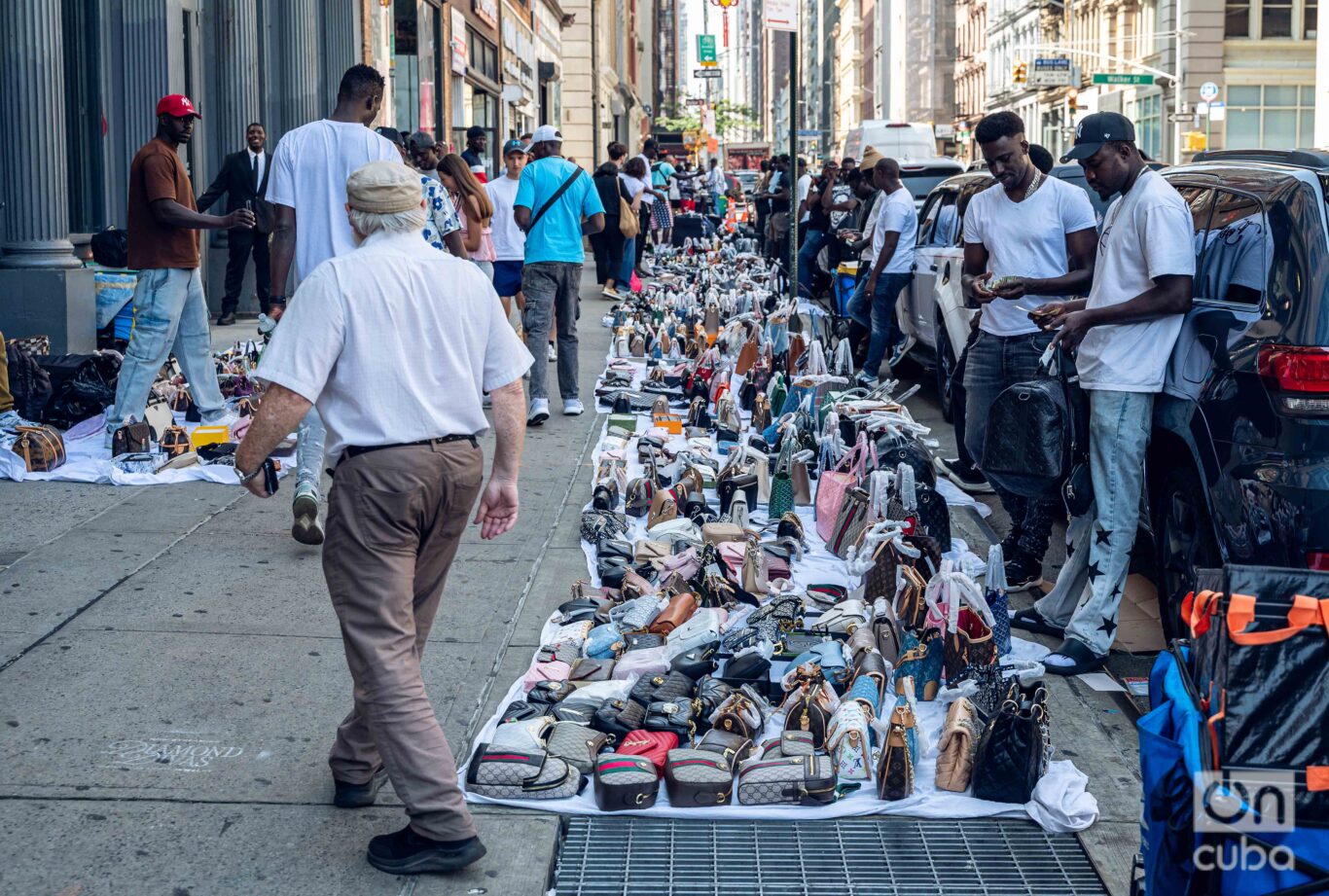
When someone showed interest, they were guided to one of the side streets to complete the transaction. Paradoxically, one of those corners was the same one I was looking for for Charly García.
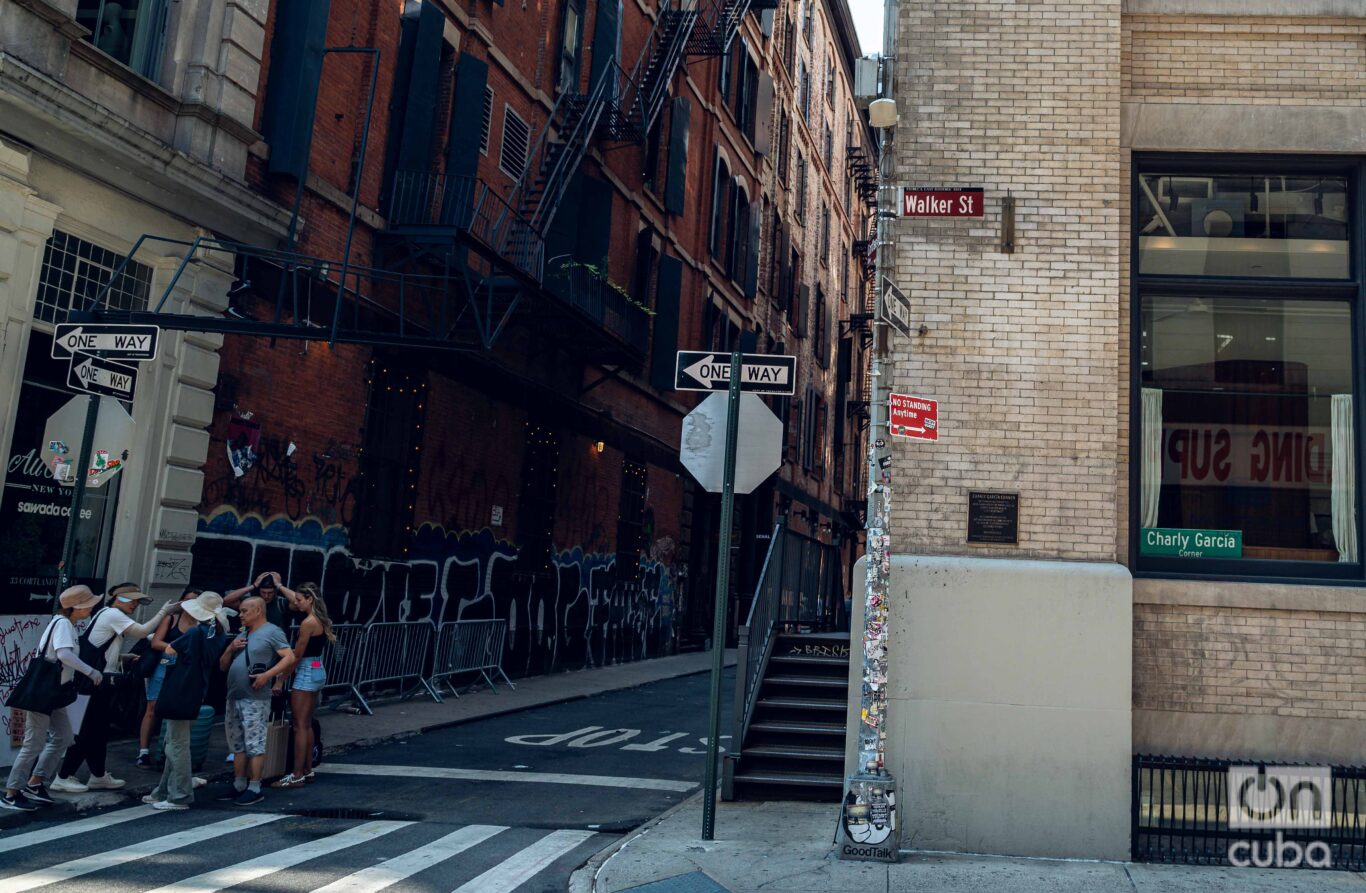
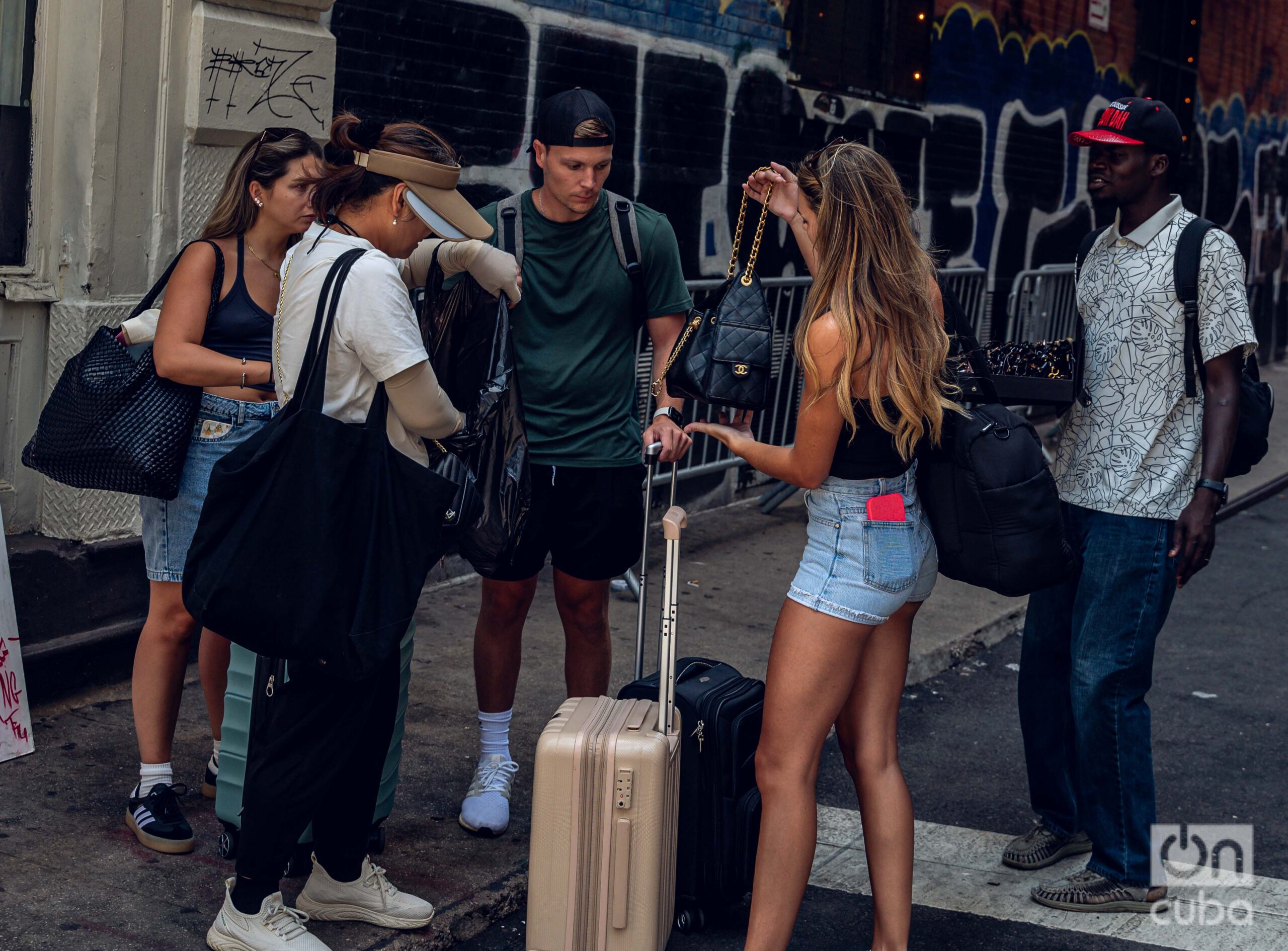
While I was taking photos of the corner where the Argentine musician had leaned for the cover of his album, I witnessed one of those clandestine operations. A group of Spanish tourists were negotiating with a Chinese woman who was displaying a laminated catalog full of handbag models.
The starting price for the bag they were looking for was $150, but at Canal Street haggling is part of the script. After a couple of back and forths, the Spanish managed to lower the figure to 75. The saleswoman nodded and, without saying a word, disappeared in search of the product.
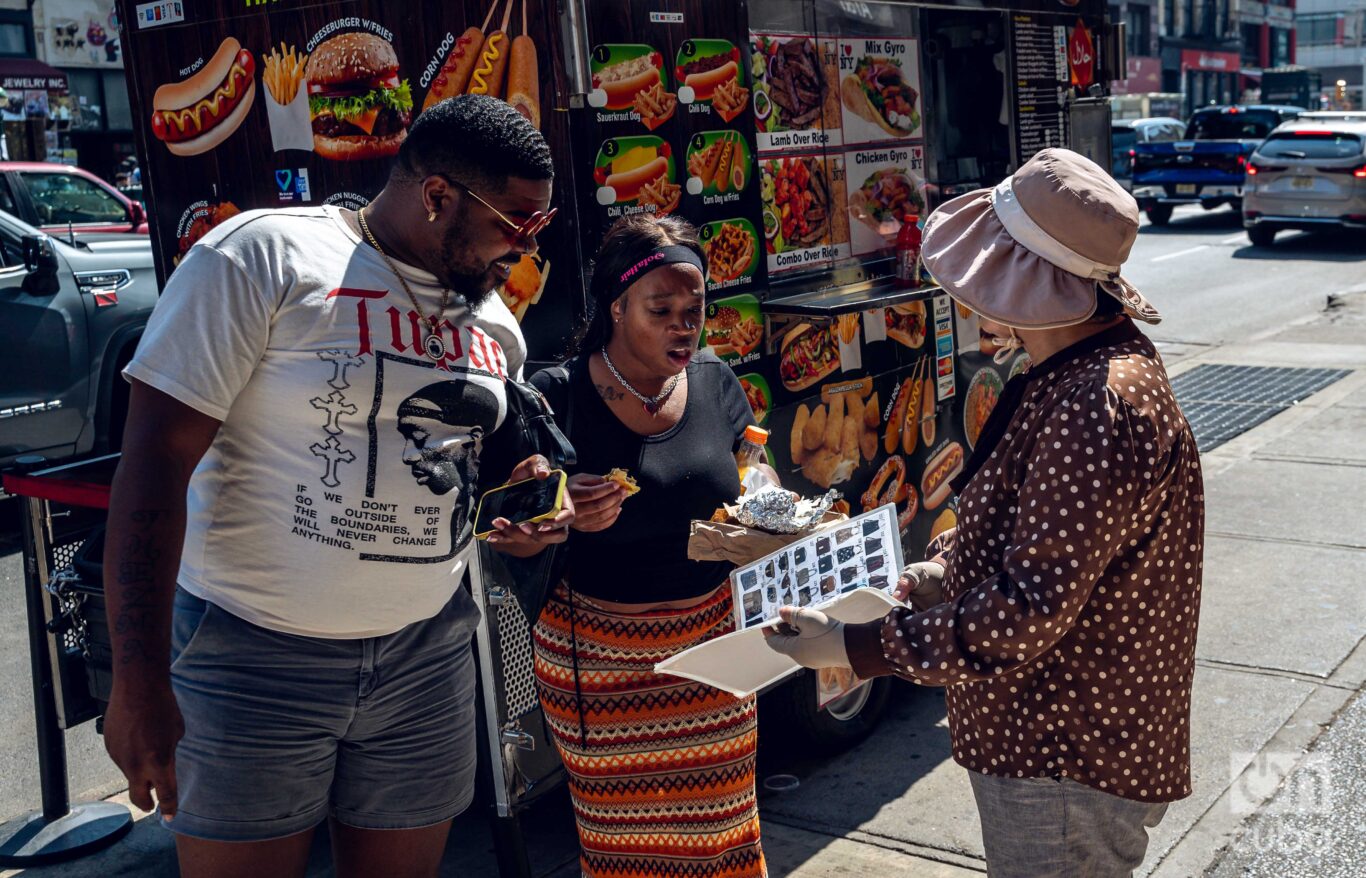
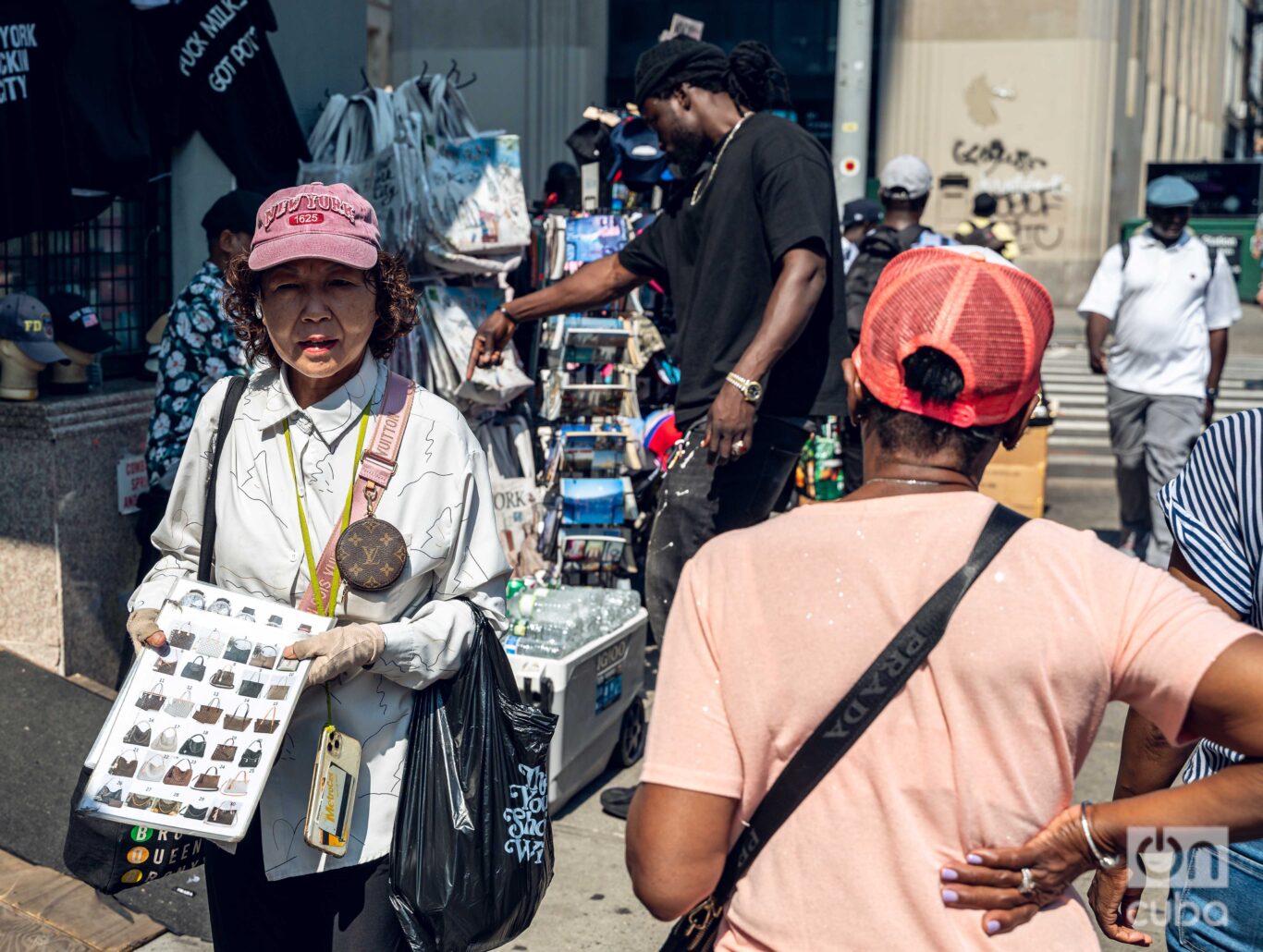
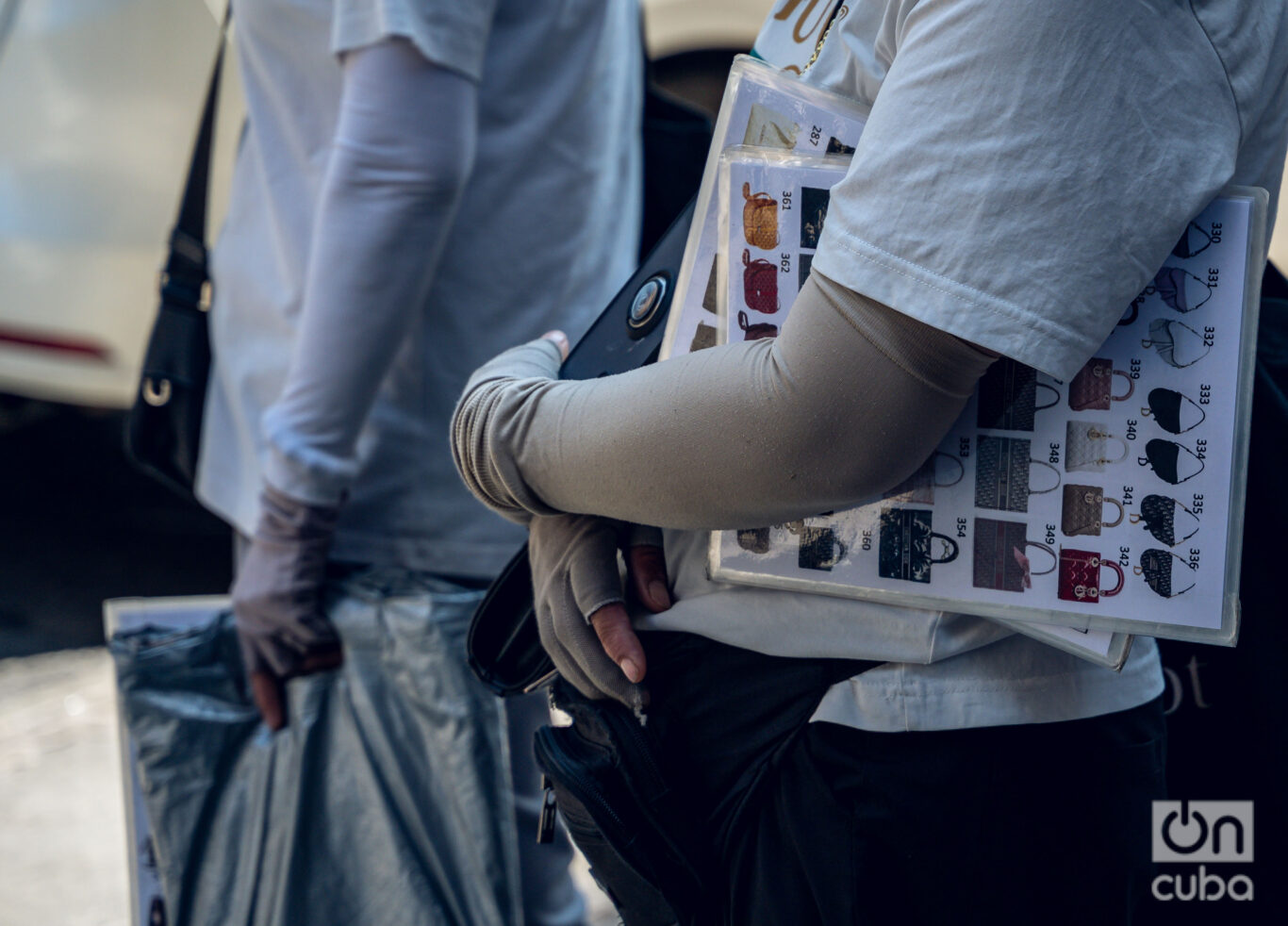
Curiosity got the better of me and I took the opportunity to ask the girls about the quality of those purses. With the air of experienced customers, they told me that they had already bought before and that, according to them, they were very good. They were surprised to see that they even offered the latest models, the same ones they had seen on Fifth Avenue at a price five times higher. After a few minutes, the Asian merchant reappeared as if nothing had happened, with her wallet wrapped in a plastic bag. Everything was resolved in seconds: bills in hand and, of course, no receipts.
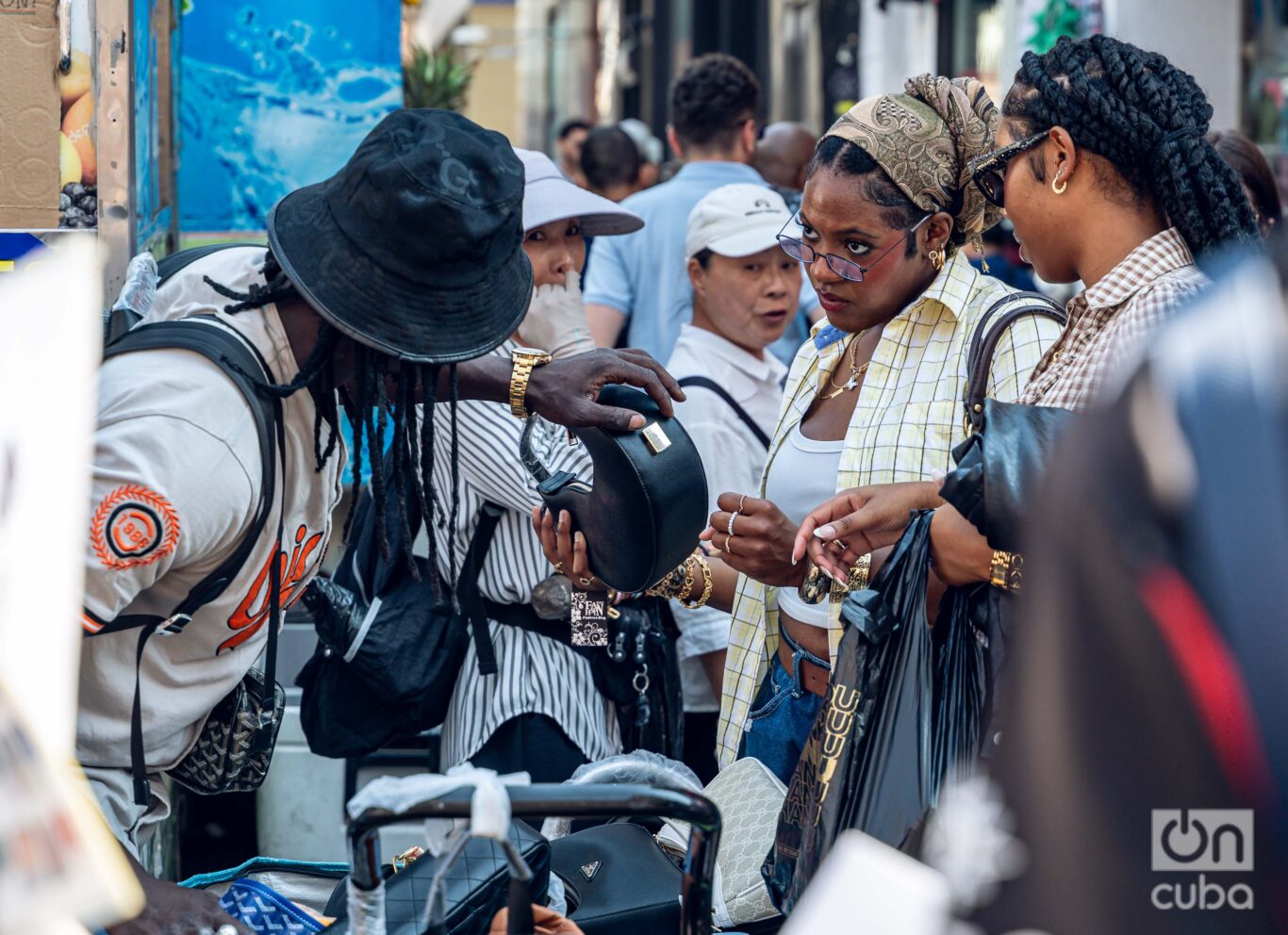
The open secret is that in the United States the sale of imitations is illegal. That’s why the operation has that air of performance: the hidden catalog, the walk to a side street, the short wait, the cash payment. Nothing like the shiny, minimalist experience of a Fifth Avenue boutique. Here everything is precarious, street, improvised.
The contrast is brutal: just a few blocks away, the big brands build marble and glass temples; On Canal Street, under the shadow of skyscrapers, vendors improvise their survival economy.
I understand little or nothing about handbags and fashion, but New York always offers several layers of reading. This time, in the search for a musical imprint, I ended up discovering a world of fake wallets that pulse with the same intensity as skyscrapers and yellow taxis. And I confirmed that in this city nothing is what it seems: not the brand name handbags, not the hidden corners, not even the very history that one comes to look for.