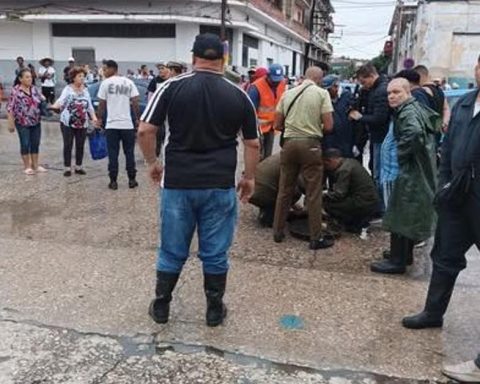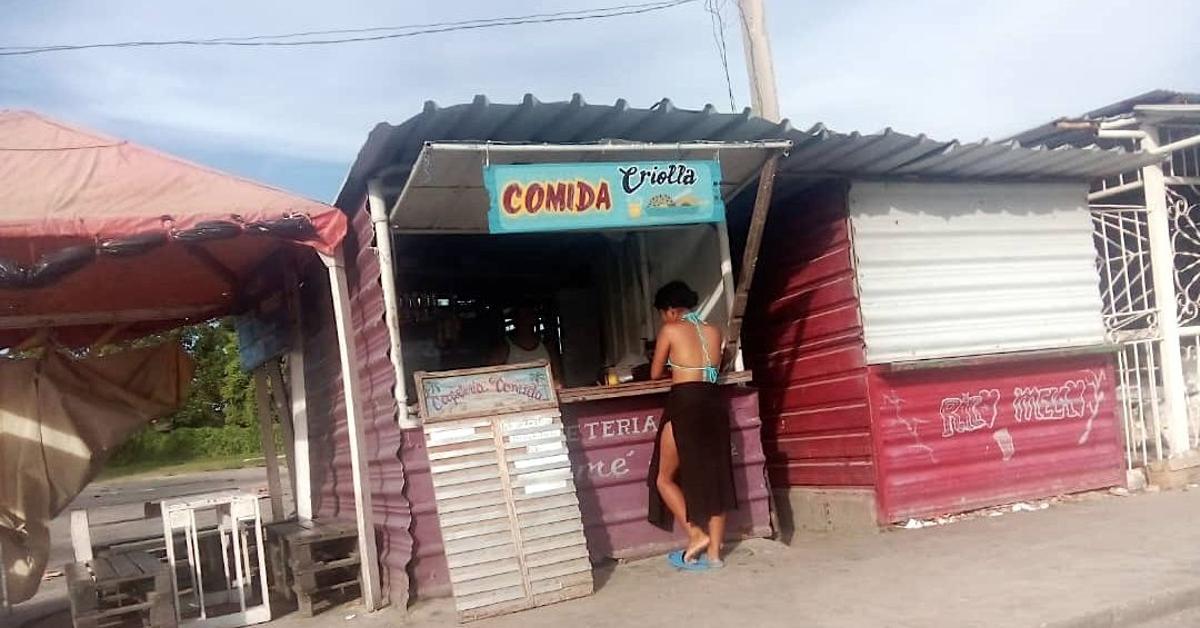
Matanzas/Since they closed the Matanzas Bus Terminal By danger of collapse, the bustle in its surroundings went out, dragging with it the economy of those who depended on travelers. Maricela, 24, has only been able to work intermittently in one of the coffee shops close to the deteriorated building and fears that the situation will last months or years.
“We have a good position, right in front of where the waiting list was,” he says, pointing out the corner now deserted. “Before people stayed consuming until 8:00 at night, but since they do not enter buses, this dies from 2:00 in the afternoon,” laments the matancera.
Initially, Maricela worked as a salesman three days a week. Now, with fewer customers and diminished earnings, his schedule was reduced to cover the shifts of the other used only when this is missing. “My salary was 1,000 pesos a day. I worked two days and rested two, but now they barely pay 700. The joy in the poor house lasts little,” he laments.
/ 14ymedio
The closure of the terminal also threatens the sustenance of Vladimir, who recently achieved a job as a dependent in a kiosk near the piquera of taxis. “We had to suspend the sale of pizzas because with the blackouts we cannot turn on the oven. The soda is heated immediately and nobody buys it,” he explains. At six in the afternoon, they have barely sold 5,000 pesos.
“In less than a month they closed two private businesses here next. The owner could not even pay the lease,” he adds, concerned about the notice he received from his boss: if in the next few days sales do not improve, they will temporarily close until the reopening terminal. Other points of sale face a very similar situation.
But the prognosis of the works is uncertain. The property came to accumulate such deterioration that its restoration can take a long time and many resources. With the middle broken stained glass, ever colorful, and a metal skeleton – to the shape of the European stations Classic– The terminal was built in 1883 by the British United Railways. The decades without investments made ferns from their walls and enlarged the roof holes.
Last October came the official announcement that the services of the Bus Terminal would go to the railway station. He transfer Not only has passengers brought discomfort, but it has also been a hard blow for merchants, drivers and street vendors in the area.

/ 14ymedio
Eliécer, another entrepreneur of the area, also faces the shortage of drinking water. “I rent a tricycle and bring the water from my house in buckets,” he says. His kiosk, which opened next to the platform of the guaguas attracted by the ancient influx of public, is now limited to selling pre -elaborated lights and foods.
“Before we opened at five in the morning and here we prepared everything. I even thought about having the open kiosk 24 hours. I invested in improving the roof and I was ready to buy a small electric plant. But in this country nothing is as one wants. Now I close at five in the afternoon and I will not make more expenses,” he admits.
Private merchants carry losses. “Our main clients were those who traveled far, not those who move within the province or the drivers of the piquera,” says Eliécer. “The one who came here to travel wanted to give his little coffee before boarding the bus, take a snack for the snack or eat before leaving,” he lists.
Eliécer believes that when the station reopens many of the commercial premises in the area will have already sunk at all. “Every day that passes closed is a business that has one foot in the grave,” he describes.