The State exam will incorporate a mandatory component that will evaluate students’ emotional and social skills.
Colombia News.
The Colombian educational system is heading towards one of its most significant reforms in recent years. Starting in 2026, the Saber 11 exam will include a new component focused on evaluating the emotional competencies of students completing secondary education. This modification will impact all schools in the country and will mark a change in the way school evaluation is conceived.
The measure arises after the approval of a law that makes the Emotional Education Chair mandatory at all educational levels, from preschool to eleventh grade. As a consequence, the Ministry of National Education and Icfes must coordinate so that these competencies, which must already be taught in classrooms, are also evaluated in a standardized manner in the country’s main State exam.
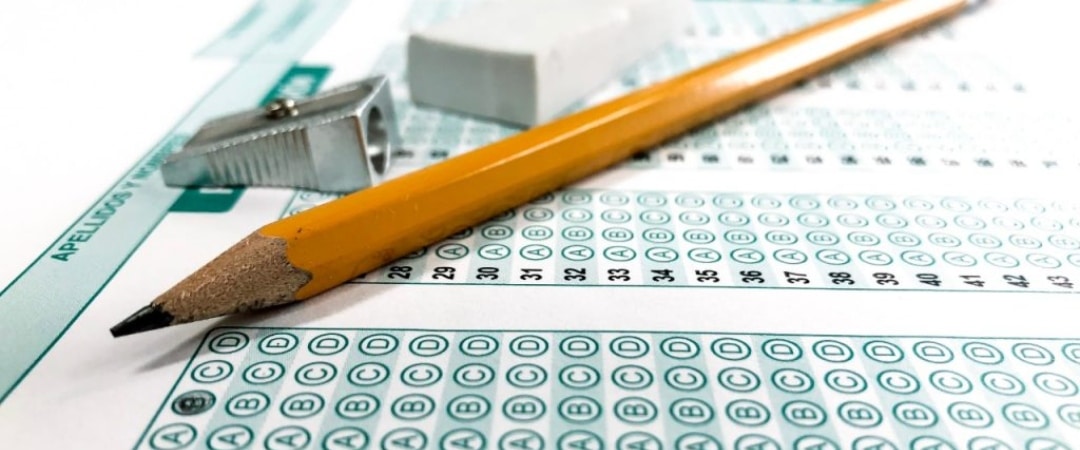
Until now, Saber 11 has been focused on traditional areas such as mathematics, critical reading, natural sciences, social sciences and English. With the new regulations, the exam will expand its focus to include skills related to emotion management, coexistence, decision making and social interaction. It is not about eliminating existing subjects, but about adding a component that reflects the comprehensive development of students.
Among the competencies that are expected to be evaluated are emotional awareness, understood as the ability to recognize and understand one’s own emotions and those of others; emotional regulation, which involves managing reactions in pressure contexts; personal autonomy in making responsible decisions; interpersonal intelligence linked to empathy and communication; and life skills aimed at well-being and the prevention of risk behaviors.
The impact of this change will be especially relevant for students who are currently in the final grades of secondary school and who will take Saber 11 in 2026. For them, academic preparation will no longer be limited to the mastery of theoretical content, but will also require the strengthening of emotional and social capacities.
Educational institutions, for their part, must adjust their study plans, reorganize schedules and adopt new pedagogical strategies to effectively integrate emotional education. This includes the training of teachers and school counselors, as well as the design of activities that allow the development of these skills in a transversal and coherent way.
Although the Ministry of Education will have a deadline to regulate the curricular guidelines and define how this new component will be evaluated, in some regions of the country teacher training processes and pilot experiences are already underway. These first steps seek to prepare educational communities for a transformation that goes beyond the exam and points to a broader conception of education.