The final report of the 81st General Assembly of the Inter American Press Society (SIP) highlighted the commitment of the Dominican president Luis Abinader with the freedom of the press as a bright spot within a regional panorama marked by hostility, censorship and institutional deterioration.
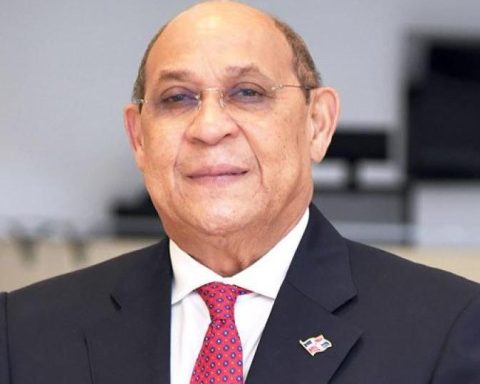
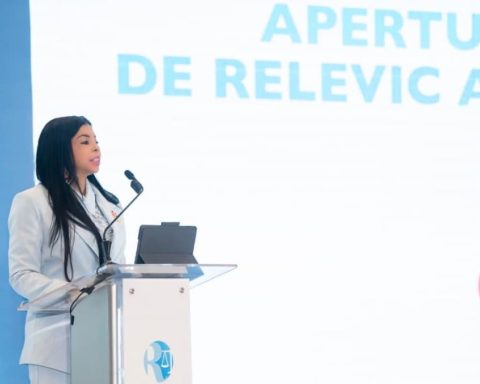
During the opening of the deliberations held in Punta Cana Last Thursday, Abinader made an emphatic defense of the right to inform and be informed, emphasizing that democracy can only be sustained with a free press.
“A government that fears to the press, fears the truth,” said the president, highlighting that his management seeks to guarantee an environment of respect, security and professional ethics for journalistic practice.
The SIP He valued his words as an encouraging exception in the middle of a hemisphere where restrictions are growing. The president of the organization, José Roberto Dutrizwarned that the institutional climate in the United States and the rise of official speeches against the media reflect a “weakening of the democratic system most influential in the hemisphere.
“What happens in Washington has an impact in all America“said Dutriz, when opening the plenary sessions of the organization.
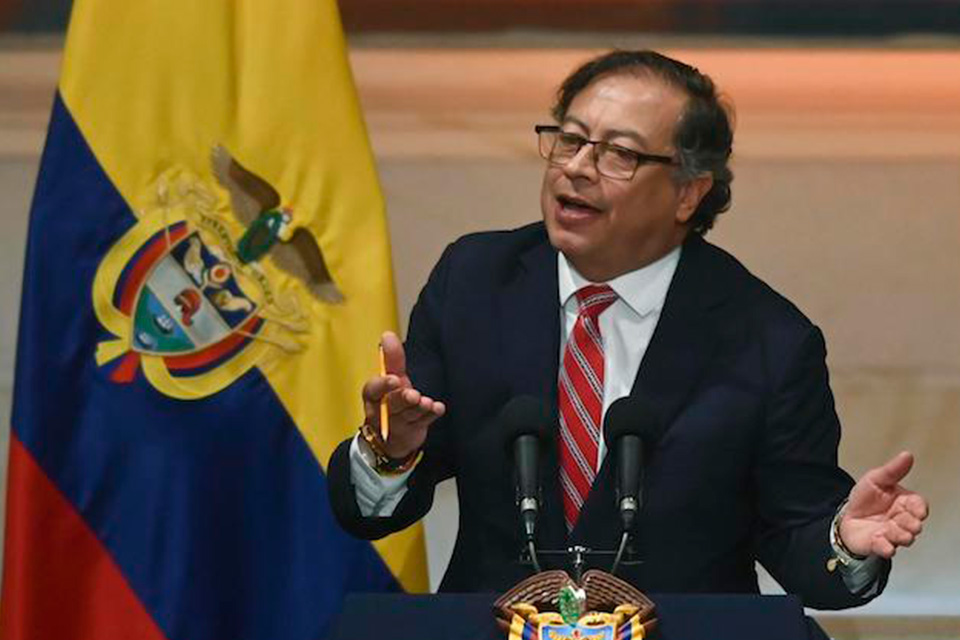
The report describes a recoil widespread in the freedom of the press in the last semester. In Argentina, the president Javier Milei he has made contempt for journalists a mark of his public discourse; in Colombia, Gustavo Petro continues to stigmatize media and reporters, associating them with mafia practices; and in Costa Rica and Ecuador, the verbal attacks of their leaders towards communicators persist.
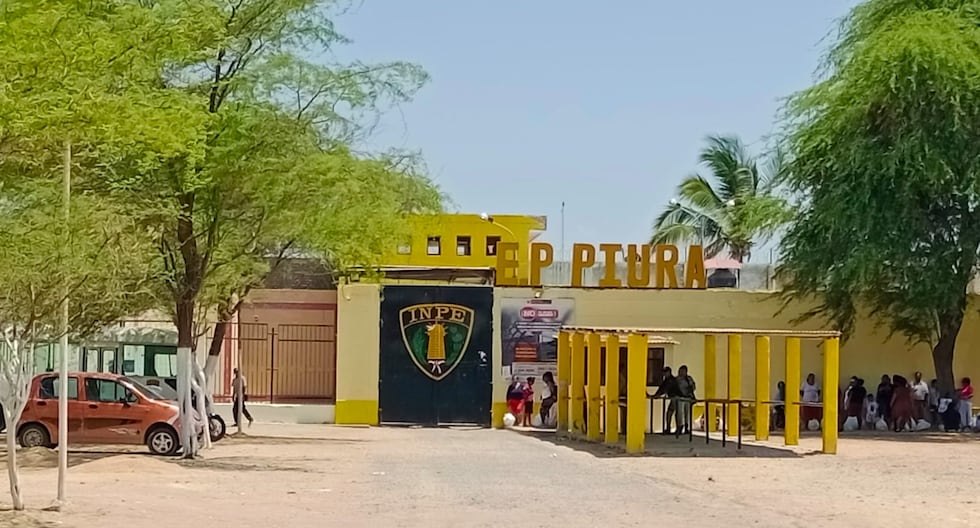
The most serious cases involve violence, judicial persecution and forced exile. In Honduras and Peru, journalists Javier Hércules Salinas and Raúl Celis were murdered.
In Bolivia, several media outlets were sanctioned with fines greater than their commercial value; In Panama, civil and criminal lawsuits proliferate, used as weapons of economic pressure; and in El Salvador, the harassment of President Nayib Bukele has caused the departure into exile of 40 journalists in six months.
In Haitithe security crisis keeps tens out of the country.
In Cubasurveillance and intimidation remain systematic; in Guatemala, Jose Ruben Zamora serves three years in prison; and in Nicaragua and Venezuela more than 20 communicators remain imprisoned. In Mexico and Brazil, the judicial harassment has established itself as the main instrument of censorship.
The advances
Despite this panorama, the SIP highlighted some institutional advances. In Costa Ricathe Constitutional Chamber issued rulings that expand access to public information and protect journalistic criticism; and in Colombia, the Supreme Court of Justice established a historical precedent by recognizing crimes against journalists as direct attacks on the freedom of the press and democracy.
The organization concluded that, in the face of an increasingly restrictive hemispheric environment, the position taken by President Abinader constitutes a reference of democratic leadership and an example of commitment to the fundamental values of freedom and transparency.