A night of uncertainty
1:50 a.m. Sounds of high-performance aviation engines are reported over the Barlovento area, the Caracas Valley and the central coast.
1:55 a.m. Massive explosions shake Fuerte Tiuna in Caracas. Confusion and panic begins among the population
2:10 a.m. At least four detonations are recorded at the La Carlota Air Base.
2:13 a.m. Noise of helicopters surround the northern area of Caracas and head towards La Guaira.
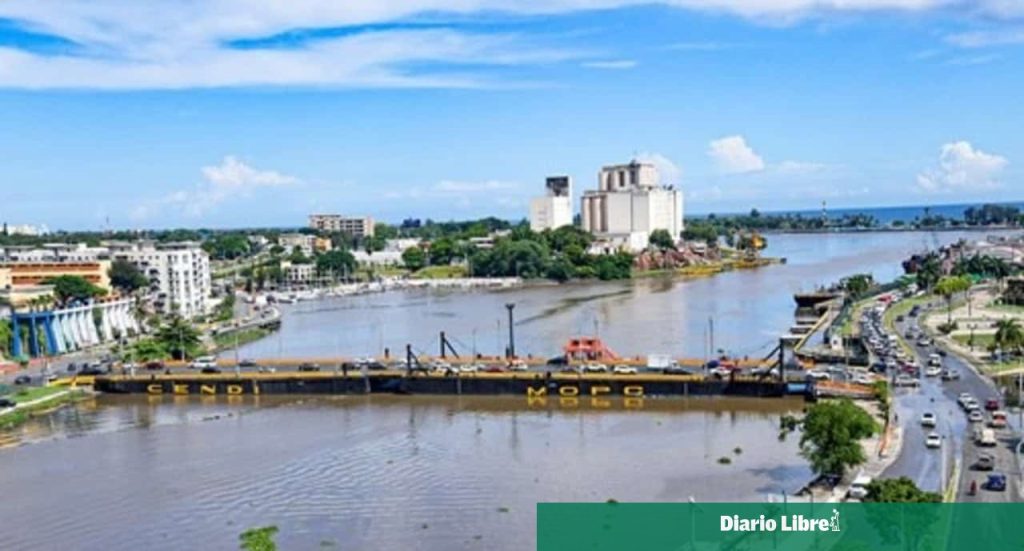
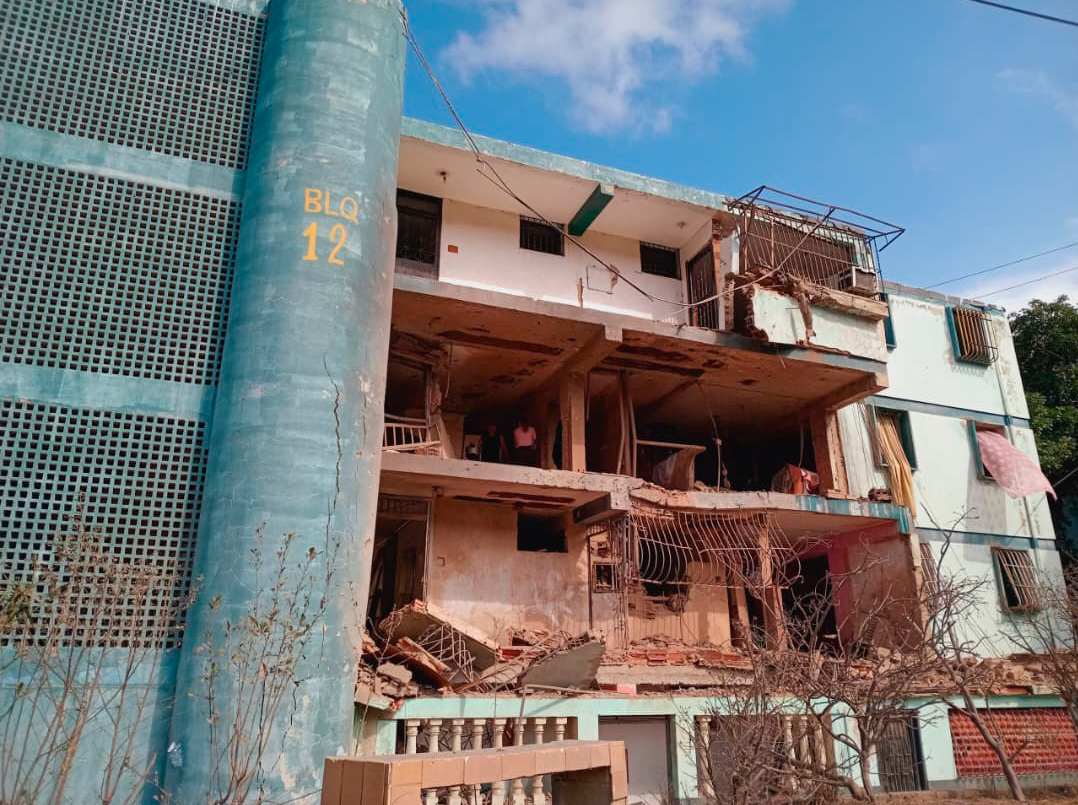
2:35 a.m. Critical moment for La Guaira: Explosions are recorded in the Port of La Guaira and in the Mamo Plateau area. Minutes later, a missile hits Block 12 in La Soublette.
3:00 a.m.. The main wave of explosions ceases. A tense calm, broken by surveillance drones, takes over the city.
The map of horror
The early morning of Saturday, January 3, 2026 was destined to go down in history. While the world focused its attention on the kidnapping of President Nicolás Maduro and First Lady Cilia Flores in Caracas, a sequence of explosions illuminated the sky over the state of La Guaira.
“Operation Absolute Determination,” the official name given by the United States to the military incursion, was not limited to political and military objectives in the capital. In La Guaira, the attack ceased to be an abstract concept and became a reality of fire, debris and loss for dozens of families who saw their homes destroyed, their health threatened and their psychological security shattered.
Although Donald Trump’s government presented the action as a “large-scale attack of surgical precision” to capture President Maduro, the morning of January 3 revealed a different face in La Guaira.
The official balance: two deaths, more than twenty injured, severe material damage to civil infrastructure and a deep social commotion that still persists in the Guaireño community.
The governor of La Guaira, José Alejandro Terán, crudely reconstructs the events: “We were attacked that early morning of January 3 in three places.” His story, charged with emotion, traces the map of horror: the west of the city, specifically the Rómulo Gallegos housing estate in La Soublette; the port of La Guaira; and in the eastern area, the community of Carmen de Uria.
La Soublette: missile in a civil building
The first and most dramatic setting was an apartment block in La Soublette. “A missile went through the window of some apartments where eight families live, completely blowing up the building,” describes Terán.
The explosion not only destroyed the structure, but also took the life of Rosa Elena González, an 80-year-old woman who was sleeping in her residence. Nine more people were injured in this area.
Wilman González, a 54-year-old electrician, remembers the moment crudely: “The explosive wave threw me against the wall.” Lying on the ground, he thought he was dying. In the next room, her 80-year-old aunt Rosa Elena was trapped under a washing machine that flew off the impact. Although they managed to rescue her and transfer her to a hospital, her injuries were fatal.

Delfina García, a resident of the community, still trembles when she remembers: “It was a very vile attack, we all suffered, we still have our nerves.” It recounts the chaos, the debris that prevented exit, the broken glass, and the emotional and psychological damage that still affects several residents.

Jesús Linares, a fire colonel with 28 years of service, was sleeping with his 16-year-old daughter. Hearing the hum and explosion, his professional and paternal instincts activated in unison.
“Daughter, they are invading us,” he told her, before the shock wave threw him to the ground. Barefoot and surrounded by glass, his priority was to rescue his daughter, his 85-year-old mother and a neighbor whom he found seriously injured and disoriented, whom he improvised bandages with a sheet to stop the bleeding.

However, fifteen days later, the landscape begins to change. Grecia Rodríguez, director of International Cooperation, points out from the field: “We are here with more than 500 men and women deployed, carrying out rehabilitation and improvement of the habitat.”
It states that the shock wave affected more than 2,000 families, all served by a government operation that works in three shifts. “We are rebuilding with love, with unity,” he says, while teams from the Ministry of Habitat and Housing, the government and the mayor’s office replace roofs, windows and provide psychosocial support, extending it even to pets through the Nevado Mission. “Even when those bad and perverse people wanted to harm us, here is a country that is growing,” he says.

The port: the target was public health
The second target had strategic cruelty, according to authorities. Several missiles hit the port’s warehouses, full of medicine. “Warehouses full of medicine, especially special medicine with which kidney patients are treated,” explains Governor Terán.
Health Minister Magaly Gutiérrez details the emergency: a three-month inventory for more than 12,000 patients with kidney failure was destroyed, an act that, she emphasizes, “for them means losing their lives.”
In the first week, hemodialysis treatments were reduced from three to two weekly cycles. However, Minister Gutiérrez announced a quick response.
“The Bolivarian government has guaranteed an immediate solution in these next few hours.” Thanks to negotiations with Brazil, the Pan American Health Organization and the use of inventories in other countries, the arrival of more than 40 tons of supplies was achieved. “Today, January 10, I can say that with complete normality, all those who undergo dialysis on Saturdays receive their dialysis,” declared the minister, ensuring that a month of stock and continuity of treatment have been restored.

Uria: the church did not survive this time
The third scenario was the community of Carmen de Uría. María Galiardi, community leader, narrates the impact of “approximately 6 to 8 missiles” on the town church, a space of great value for the community, as it was one of the few structures that “was saved” from the 1999 landslide.

There, Mr. Apolinar Atencio, a 74-year-old farmer who had lived in the parish house for 26 years, was seriously injured and suffered second-degree burns.
His family and other survivors of the ’99 landslide once again experienced hours of terror, fleeing towards the river and the mountains. They are currently receiving medical attention and are in solidarity shelters.