In Spain, a reform of the Civil Code is being studied that could create a permanent route to access nationality.
MADRID, Spain.- The Democratic Memory Law—popularly known as the “Grandchildren Law”—stopped accepting applications at 11:59 p.m. on October 22 (local time in Cuba), putting an end to one of the most massive nationalization processes among descendants of Spaniards on the Island.
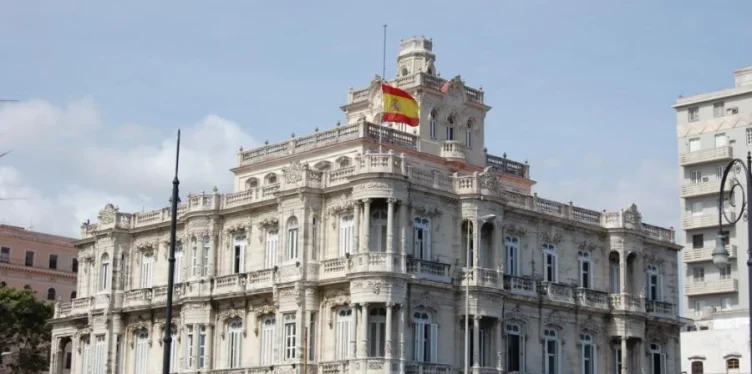
During its validity, more than 107,000 people in Cuba began the process to obtain Spanish citizenship. The consulate in Havana became one of the headquarters with the highest volume of requests, but also one of the most problematic points, due to technical failures, power outages, congestion in the appointment system and complaints for alleged sale of appointments.
To formalize the process, it was mandatory to fill out the digital form and obtain a Secure Verification Code (CSV), a document that certifies that the application was submitted within the legal deadline. People who managed to register this code will be able to continue with their file in the coming months, even if their in-person appointment takes place after the deadline. Those who did not do so in time were left out of this legal avenue to access nationality.
The high demand, added to connectivity limitations and frequent blackouts in Cuba, left hundreds of people in an uncertain situation. For many descendants, this law represented the opportunity to regularize their immigration status and strengthen their family and legal ties with Spain.
At the same time, in Spain a possible reform of the Spanish Civil Code is being analyzed to establish permanent regulations that allow descendants of Spaniards to apply for nationality without depending on temporary laws. According to the medium InfoCivitano, The project — promoted by the General Council of Spanish Citizenship Abroad (CGCEE) — contemplates five fundamental axes: inclusion without generational limit, elimination of gender discrimination, automatic transmission of nationality, simplification of consular procedures and permanent nature of the rule.
Although the initiative has already been presented before committees of the Congress and the Senate and it is estimated that it could be debated at the end of 2025 or beginning of 2026, according to InfoCivitano, Progress will depend on the support of the political parties and the parliamentary agenda, so for now there are no definitive deadlines for its approval.
With the closing of the deadline, the Democratic Memory Law is no longer an option for new applicants. Files that already have a CSV will continue to be processed, while those who were not able to register must wait for a new legal reform or take advantage of other avenues provided for by Spanish legislation.