The Bank for International Settlements (BIS) revealed in its most recent triennial survey – published in 2025 – that the global foreign exchange market continues to grow, driven by high financial volatility, digitalization and internationalization of new currencies. According to the report, the average daily volume of foreign exchange operations reached US$9.6 trillion, which represents an increase of 28% compared to 2022, consolidating the US dollar as the center of the global financial system.
According to the results, The dollar (USD) remains the most used currency in international exchange markets, participating in almost 90% of all transactions. This leadership remains unchanged despite geopolitical tensions, the rise of digital currencies and the efforts of some economies to reduce their dependence on the greenback. The BIS confirmed that the dollar continues to be the main reserve, financing and foreign trade instrument.
Dollar.
AFP
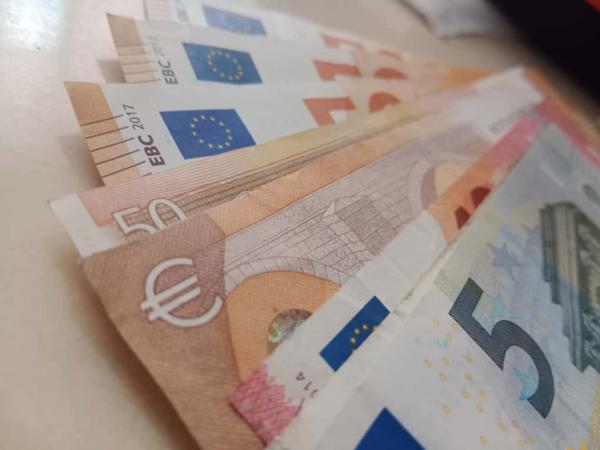
In second place is the euro (EUR), with a participation of 28.9%, which experienced a slight drop compared to the previous survey. Although it remains the second most influential currency in the world, its relative weight has been reduced by the economic fragmentation of the European Union and the slowdown in growth in the euro zone.

Euro
Valentina Delgadillo – Portfolio
The Japanese yen (JPY) is in third place, with a share of 16.8%, followed by the pound sterling (GBP), which falls to 10.2%. Both currencies maintain their historical relevance in the financial market, although they have lost share against the yuan and other emerging currencies.

Japanese yen
iStock
One of the most notable data in the report is the advance of the Chinese yuan (CNY), which reached a share of 8.5%, compared to the 7% reported in 2022. This rise confirms China’s strategy to strengthen the international use of the renminbi in trade, cross-border lending and international reserves. However, the BIS warns that the yuan still faces structural limitations, such as capital controls and low full convertibility.

Image of the Chinese yuan.
iStock
The Swiss franc (CHF) also rose in the ranking, with 6.4%, consolidating itself as a safe haven asset in times of global uncertainty.

Swiss franc
iStock
The BIS report highlights that the exchange market is increasingly concentrated in a few currencies and in a small number of financial centers. London, New York, Singapore and Hong Kong account for more than 75% of global transactions.
Regarding the most used instruments, “FX swaps” continue to dominate the market, with more than US$4 trillion per day in operations. These instruments allow banks and companies to manage liquidity and coverage against exchange rate movements, and their growth reflects greater sophistication of the markets.
The BIS analysis also shows that, although the dollar retains its hegemony, the global panorama shows slow monetary diversification. Emerging economies and regional powers promote alternatives to the traditional system dominated by the US, in a context of technological competition, trade tensions and financial reforms aimed at reducing exchange rate risks.
Still, the central message of the report is clear: the dollar remains the backbone of the global financial system, and although the yuan advances, it is still far from dethroning it.
VALENTINA DELGADILLO ABELLO
Portfolio Journalist