Miami/The private company is a “necessary evil” for the Government of Cuba, a regime that has shown its lack of commitment to the free company while it has gained spaces to the State, the researcher Ricardo Torres Pérez, author of the study, told EFE Private sector in Cuba: Exhaust valve or development engine?‘, released this Tuesday.
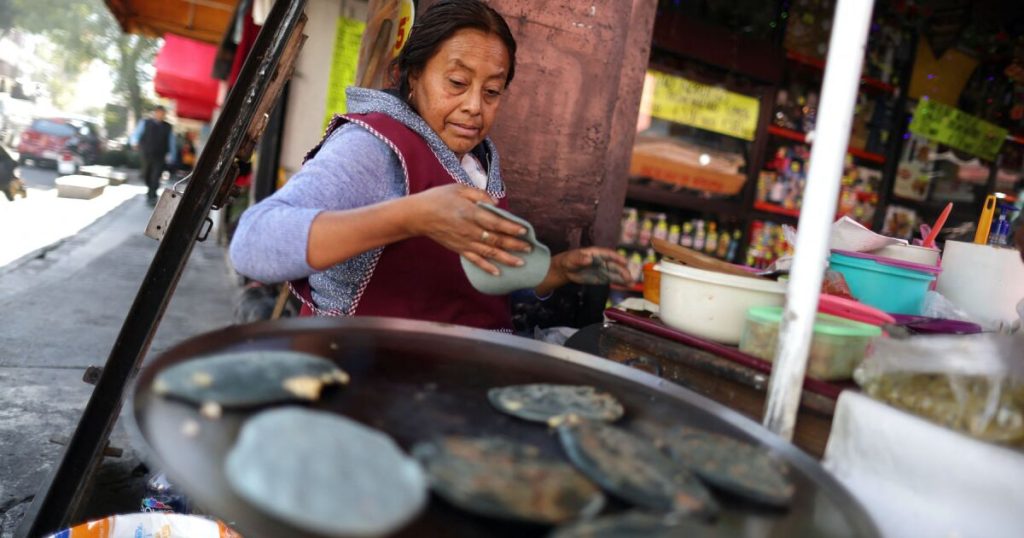
The analysis, in charge of the Cuba Study Group, composed of business leaders and young Cuban -American professionals in the US, reveals that the private sector already has a significant weight, with more than 10,000 micro, small and medium -sized companies (MSMEs) registered in only two years and responsible for around 30% of employment.
However, its growth capacity remains limited by a “crystal ceiling” imposed by the lack of State’s commitment to this business, Torres clarified.
“Cuba is going through a deep economic crisis,” said the deputy professor of the Center for Latin American and Latin Studies of American University in Washington, who stressed that the situation of the island provides few opportunities for business growth.
“A good part of citizenship, consumers, tend to concentrate on essential products, and there is not much more to buy other things”
Income inequality in the population also reduces demand: “A good part of citizenship, consumers, tend to concentrate on essential products, and there is not much more left to buy other things,” Torres explained.
“Right now there is a lot of uncertainty in the private sector, because the economy is drowned. It depends on regulations of a government that is not committed to free enterprise,” he emphasized.
“There is no commitment, because the ideology that prevails still in the government understands the private sector as a threat,” explained the author of the report, which compiled more than a decade of data.
Torres described a panorama in which the Government acts unpredictably, with raids, inspections, regulation changes, price stops and tax settings, such as control tools.
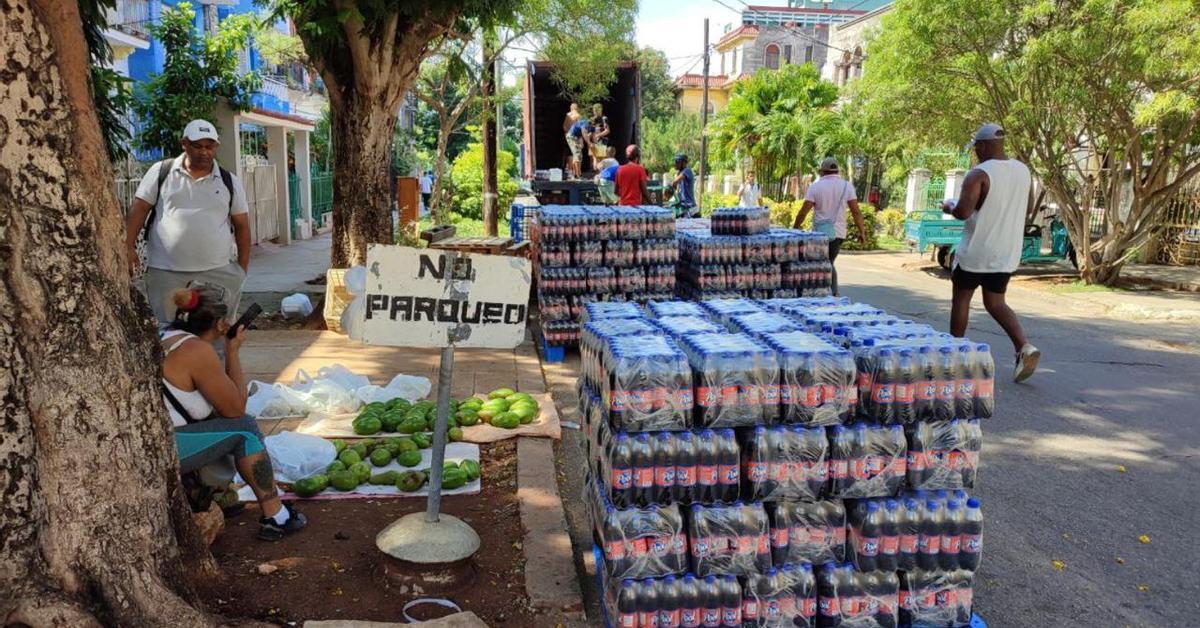
The study emphasizes that, although the private sector has occupied spaces left by the State, especially in retail trade, transport and household services, it is still treated as an exhaust valve and not as a development engine, because “it is not a priority to grow the economy,” Torres said.
The author stressed that the relationship between the private sector and the government does not depend on personal or favors connections, but on the ability of entrepreneurs to resist.
“I do not see anywhere convincing proof that most of the private sector are people who came from the government or that the company has because they have connections with the government. That is not the case,” he said.
“The reality of the majority of the private sector is that the Cuban government does not want it ultimately, because it knows that the day it gives them free rein, the state economy disappears,” he added.
In addition, the researcher alerted the influence of external factors, mainly US policies, which also impact the capacity of the private sector to grow. Financial restrictions and lack of normal banking relationships with the United States hinder financing and international payments, he said.
To this are added recent changes in visa policies, which limit the possibility that Cuban businessmen travel to the United States to seek commercial opportunities: “If they could make an export at a given time, they would duplicate, they would triple the sales they have,” he said.
“If they could make an export at a given time, they would duplicate, they would triple the sales they have,”
The report documents how the elimination of tax benefits, price stops and limits to the profitability of contracts with state companies, have further restricted the operational space of private entrepreneurs.
Torres pointed out that if the Cuban government had the decisive support of powerful allies such as China and, to a lesser extent Russia, “would take much stronger measures to limit the development of the private sector.”
Despite this panorama, the study shows the resilience of the sector, but that fails to translate into sustained prosperity. Although the sector generates employment niches unattended, its contribution to GDP remains well below its potential, due to internal and external restrictions.
The combination of economic crisis, limitations imposed by the State and the US financial blockade keeps Cuban business in a vulnerable position, Torres lamented.