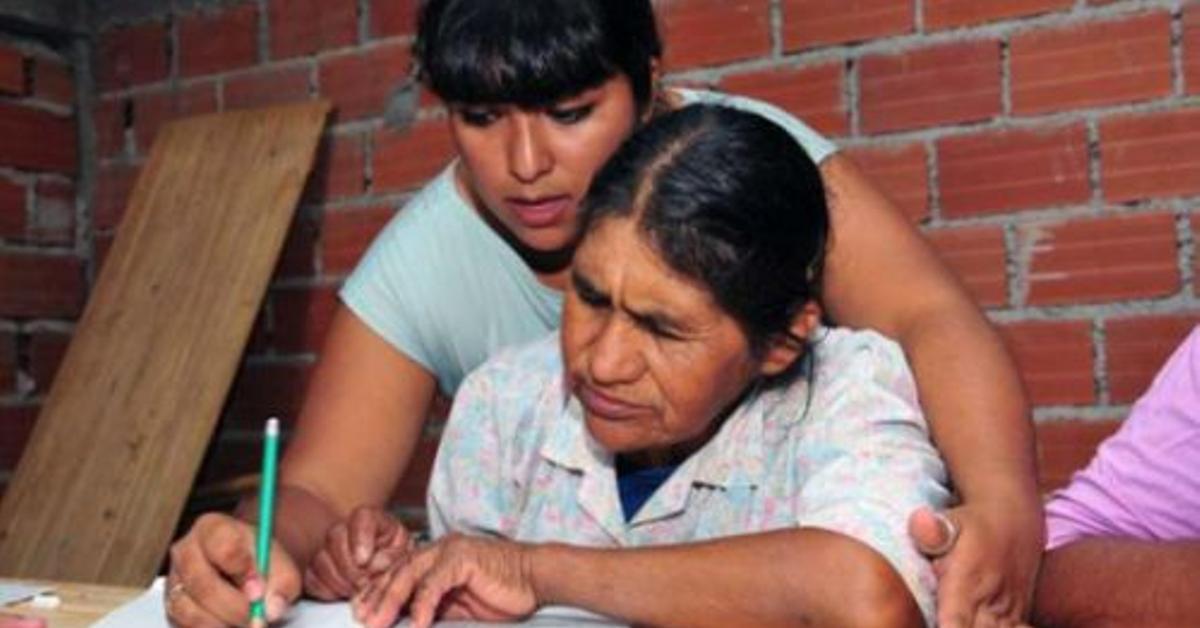
Madrid/Until last year, 12% of the Honduran population did not know how to read or write. The improvement has been brilliant, since in only three years more than 570,000 over 15 years in the country have learned to do so, according to official dataleaving the illiteracy rate by 3.7%.
With these figures, the United Nations Educational, Science and Culture (UNESCO) and the Organization of Ibero -American States for Education, Science and Culture (OEI) endorsed the declaration of the Central American country as free of illiteracy. The condition is granted for being, the 18 departments of Honduras, below 4%.
The majority of literacy comes from the National Program, which between 2023 and 2025 has served 462,698 people, which contributed to significantly reducing the illiteracy rate in Honduras. To them are added another 107,583 Hondurans who registered in some mechanism of the Ministry of Education, as well as some 2,500 prisoners that received this basic formation in the prison centers.
“We have managed to literate more than half a million people, and now it is time to continue advancing to accelerated primary to perfect literacy techniques,” said the Secretary of Education, Daniel Espronceda. In addition, he said that the total already facilitated, we must add more than 100,000 people who learn to read and write in factories and very rural areas.
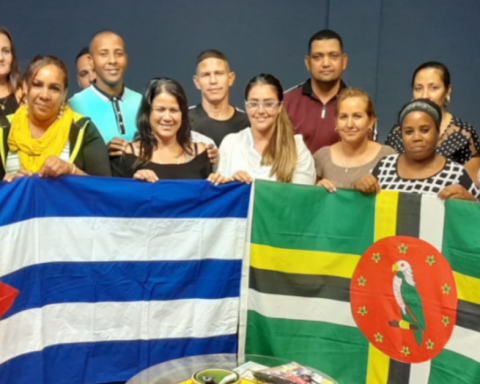
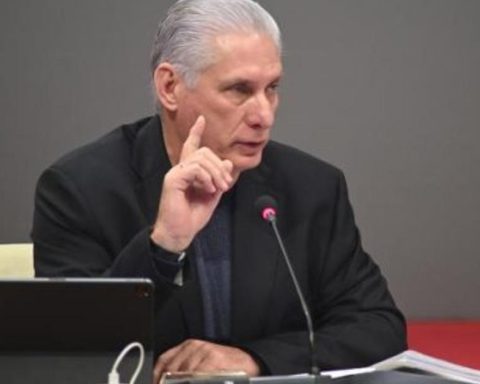
San Pedro Sula welcomed on Wednesday the act in which the achievement was certified, which Cuba wanted to do its own to such an extent that, in a Published note in Granma, The first authority mentioned is the Minister of Education of Cuba, Naima Arianne Trujillo Barreto. His counterpart, Minister Espronceda, is not even mentioned in the information and barely slides that the government is led by its allied Xiomara Castro.
There are still 739,000,000 people in the world without literacy
“He method I can have been essential in the fulfillment of this goal for Honduras, a challenge proposed by the government of President Xiomara Castro, with the collaboration of professionals from Cuba, ”says the text. In it, a voice is given to Trujillo, which quoted José Martí and recalled that the literate human being has“ greater opportunities to understand what really is in life ”.
The Official Gazette of the Communist Party also highlights the words of Romina Kasman, representative of UNESCO who had a recognition to the work of Cubans. “This effort must be seen not only in the region, but also on a global scale, as an example of brotherhood and cooperation with the sister Republic of Cuba, because it is precisely from that solidarity that the destinations of the countries are transformed,” he said.
The official, of Argentine nationality, highlighted the good result of Honduras at a time when there are still 739,000,000 people without literacy in the world.
According to the local press, Cuba received for the program I can 14.7 million annually of lempiras (just over half a million). The total amount, for the three years agreed in the agreement was 40 million lempiras (1.6 million dollars) by 123 Cuban teachers.
The achievements in literacy have dramatically coincided with a report prepared by the National Commissioner of Human Rights in Honduras (CONADEH) that indicates that more than 1.2 million children and adolescents in the country are outside the educational system, more than 15,000 in a street situation and around one million, doing child labor.
“If urgent measures are not taken, the number of street children will continue to grow”
The situation is “critical” and is aggravated “by a series of acts violations of human rights that not only limit their growth and development, but also put their integrity and life at permanent risk,” the organization considers, which has urged the Government to execute “public policies that guarantee the full exercise of their rights.”
“It is a conducive moment to reflect and rethink the efforts that allow us to ensure that each girl and adolescent, in all corners of Honduras, see their rights fulfilled and can develop their full potential,” said Candida Maradiaga, the institution’s coordinator.
Many children living in poor neighborhoods of the main cities of Honduras ask for money or food in the streets. Others are dedicated to cleaning carmps of cars, among other activities to survive, while in the countryside, many leave school to join their family agricultural activities. “If urgent measures are not taken, the number of street children will continue to grow.”
According to Conadeh records, in Honduras, country with 10 million inhabitants, of which more than 60% are poor, more than 20,000 girls are pregnant annually, most of them victims of sexual violence. In addition, between 2022 and August 2025, 729 minors have disappeared, from which 73% (532) are girls.