Proposals for the street population
Although the initiative for the Public Care System Law for Mexico City, one of the most important pieces of legislation in the capital, focuses on homeless people, local deputy Royfid Torres, from Movimiento Ciudadano, assures that it maintains a welfare approach that is insufficient and does not provide autonomy.
The proposal sent by the head of Government, Clara Brugada, to the city Congress, is limited to establishing the creation of specialized shelters for people living on the streets, in coordination with the Institute for Mental Health Care and Addictions.
“Particularly for street populations, this initiative falls short because it precisely contributes to this assistance model where it is established to have shelters and spaces for their care and what we need is an entire infrastructure that allows street populations to recover and freely choose the way of life they want to adopt,” says the deputy.
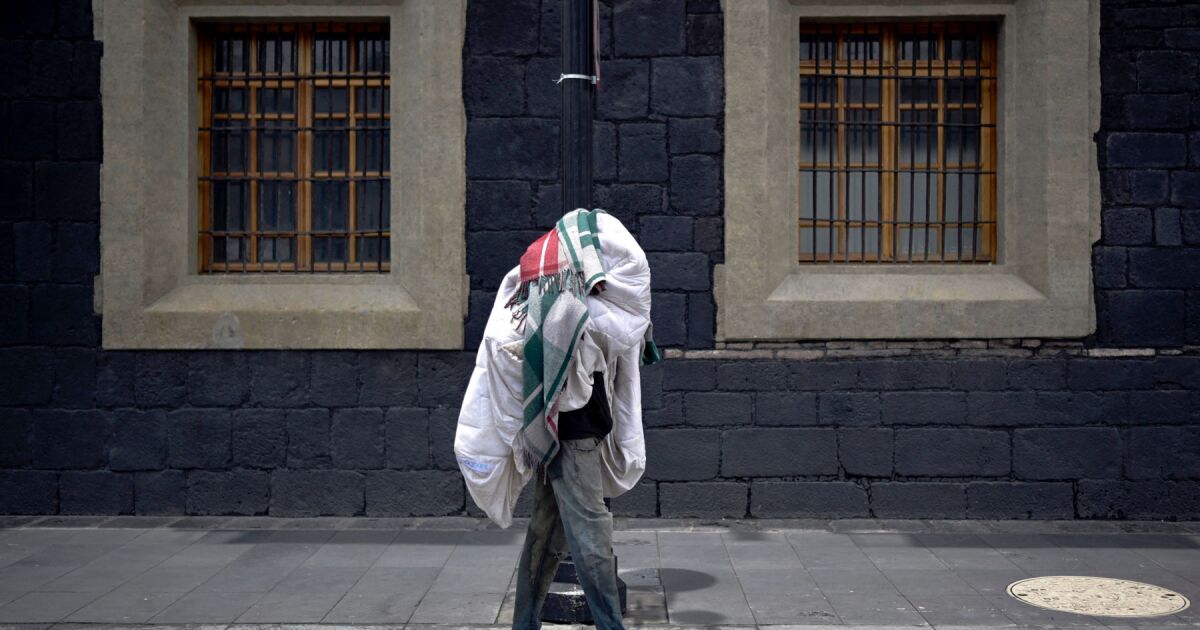
(Photo: Shelma Navarrete/Political Expansion)
The director of El Caracol agrees that homeless people require broader attention: having the right to their identity with easy access to their documents, being able to access health services, educational services and work options, as well as the recognition of their social family, that is, the one they form through links with other homeless people even if there are no blood or legal ties.
“Only offering shelters and care for drug use is not enough. Yes, the homeless population needs a place to sleep, obviously many people require help for their substance use, but the concept of care is much broader,” says the activist.
For this reason, the Citizen Movement bench presented on November 6 an initiative for a Law for the Protection of the Rights of Street Populations, which establishes responsibilities for the authorities of Mexico City.
The bill includes the responsibility of the mayors, the first level of government in the territory, for the care of homeless people, says Deputy Torres.