By Cecilia Graciela Rodríguez Balmaceda/Latinoamérica21
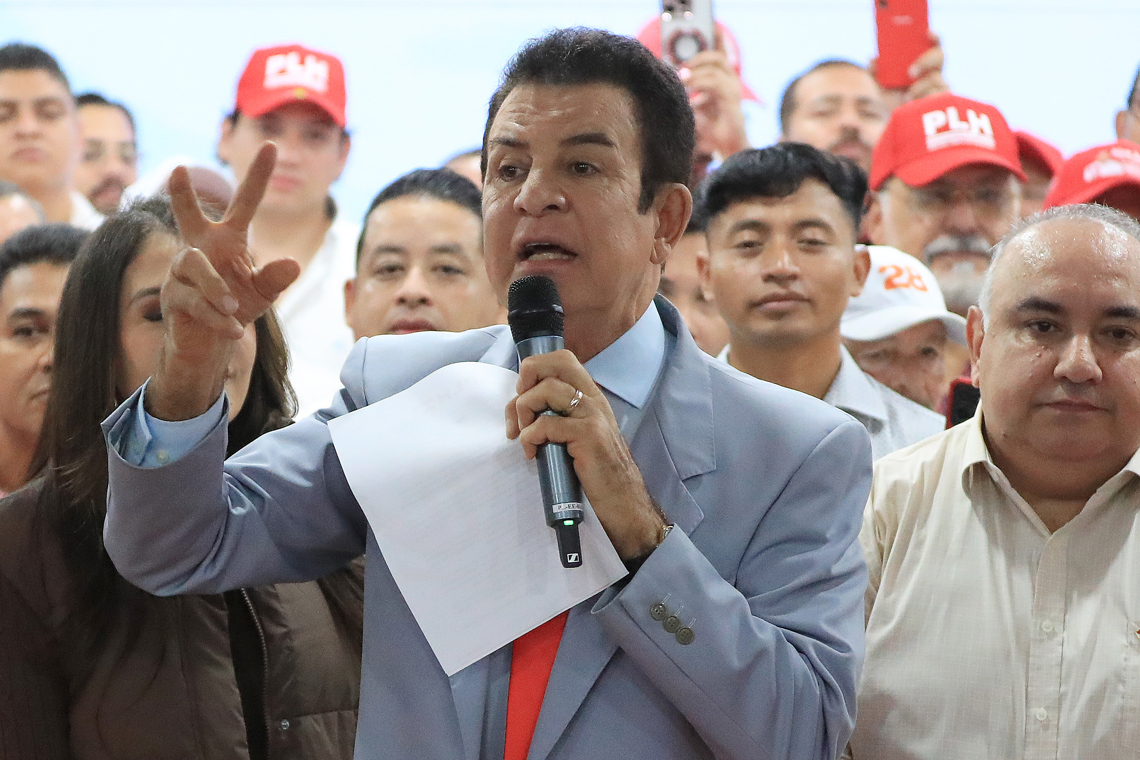
On the night of November 30, Honduras set off all its alarms again. What should have been an election day with quick results and an orderly transition ended up becoming a process full of interruptions, crossed accusations and a general feeling that the country had gone backwards several years in terms of democracy. More than a week later, the country still has no definitive result and with the candidates Nasry Asfura, of the National Party, and Salvador Nasralla, candidate this time for the Liberal Party, alternating the leadership by minimal margins.
What could be interpreted as a technical dispute ended up leading to a broader episode of political instability. Not because there is clear evidence of electoral manipulation, but because Honduras comes to this election with a fragile, eroded institutional framework and without sufficient anchors of trust. In this context, any irregularity – real, potential or simply imagined – activates the crisis reflexes that the country has accumulated in the last decade.
A close result in a system without a second round
The first cut presented by the National Electoral Council (CNE), with only 57% of the minutes processed, already anticipated a difficult night. The subsequent interruptions in the transmission, the changes in the counting trend and the absence of convincing explanations reactivated the feeling of déjà vu: For many Hondurans, the history of 2017 seemed to be repeating itself. In a simple majority system, where a lead of half a percentage point is enough to declare a winner, legitimacy is always in dispute. And when there is no second round, narrow margins become fuel for distrust.
The CNE and the structural problem of trust
Failures in transmission were the visible face of the crisis, but not its origin. The CNE arrived at the elections weakened after primaries full of delays, incomplete materials and centers that were never able to open. Far from correcting these deficiencies, the organization entered the general election with heightened internal tensions: each of the three councilors responds directly to a party, which slows down technical decisions and fuels the perception of partiality.
The new transmission system, contracted late and without sufficient guarantees, ended up deepening that feeling of improvisation. In a context of total distrust, any problem—even merely technical ones—was interpreted as a deliberate operation. And the parties moved quickly to exploit that narrative.
Libre denounced irregularities even before election day and announced that he would not recognize defeat. The National Party spoke of a pact between Libre and the Liberal Party to displace him. The Liberal Party hinted at hidden agreements between the National Party and Manuel Zelaya. In Honduras, losing is almost automatically equivalent to reporting fraud. This reaction is not just a product of the moment: it is a symptom of accumulated institutional deterioration and a system where no force feels protected by the rules of the game.
A democratic deterioration that did not begin at the polls
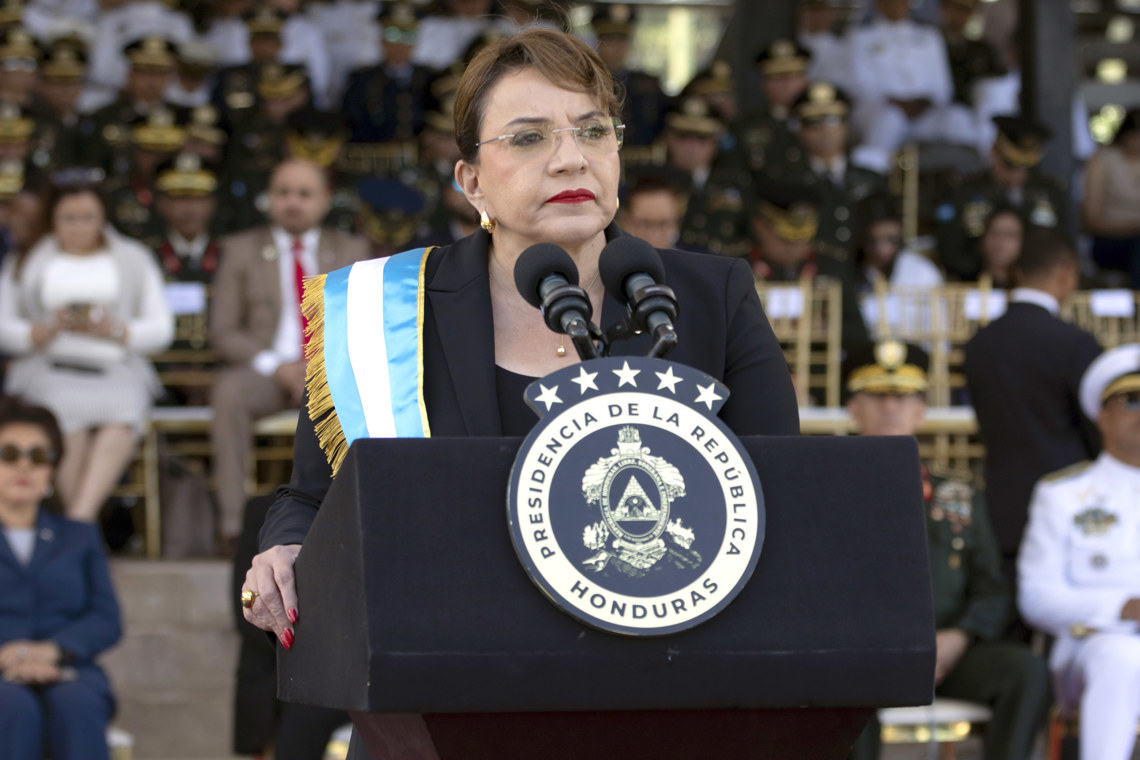
The electoral crisis cannot be understood without reviewing the 2022–2025 period. Xiomara Castro’s government faced tensions from the beginning, beginning with the conflict over the presidency of Congress. Added to this were the amnesty for political allies, accusations of nepotism, the long validity of the state of emergency and the irregular appointment of an interim attorney general. Each of these episodes eroded the political capital that Libre had arrived with.
The climate became even more tense with conflicts with the media and with the appearance of investigations that link figures close to the ruling party with criminal networks. The promise of “refoundation” that marked the 2021 campaign ended up giving way to a perception of continuity. For many Hondurans, what was offered as change ended up being more of the same.
United States interference: a guest that no one asked for
The electoral process was not isolated from the external factor either. The statements of President Donald Trump, who expressed explicit support for Nasry Asfura and issued warnings about “the consequences of electing the wrong candidate,” added pressure and polarization. The pardon of Juan Orlando Hernández—two days before the vote—reinforced the idea that Washington was taking sides with the old Honduran political order.
In a country with more than a million citizens living in the United States, these gestures have tangible effects on perceptions and on the already fragile legitimacy of the process.
The return of bipartisanship and a decisive Congress
While the presidential scrutiny progresses slowly, Congress is already showing a consolidated trend: bipartisanship not only survived, but returned with force. Nationalists and liberals account for more than 90 of the 128 seats, displacing Libre to third place.
This Congress will be key. It must elect its board of directors, discuss urgent electoral reforms, evaluate possible political trials and redefine the relationship with an Executive Branch that, whoever wins, will be born weakened.
And now what? possible scenarios
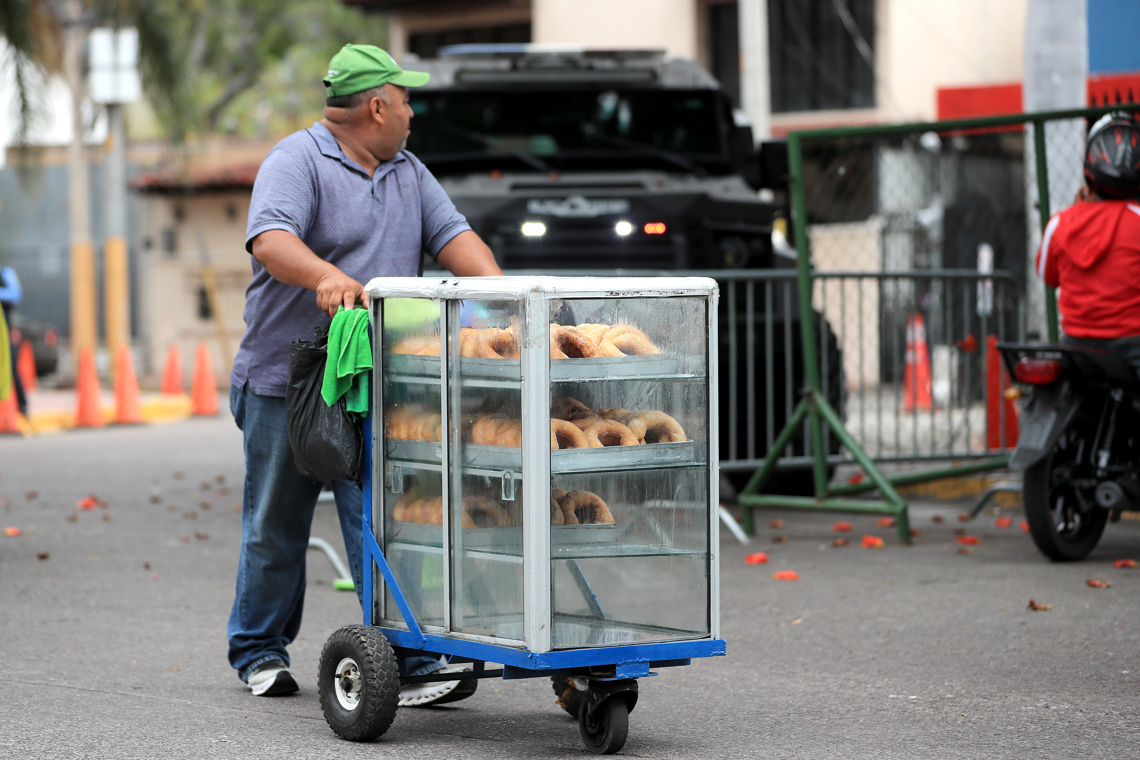
Honduras does not face, at least for now, an immediate institutional breakdown. But it is going through a deep legitimacy crisis, a product of the accumulation of political tensions, institutional failures and a tired citizenry.
The central problem is not only the narrowness of the result. The electoral system operates on a structure that no longer generates trust. Today Honduras needs more than an official winner. It needs to recover credible rules, impartial institutions and political actors capable of reaching minimum agreements. Otherwise, each electoral process will continue to be a test of resistance, and not a democratic exercise.
Cecilia Graciela Rodríguez Balmaceda is a Researcher at the Ibero-American Institute, University of Salamanca. Professor in the Area of Political Science and Administration, University of Burgos.