The deficit in electricity generation will shut down about 64% of the island this Monday during the moment of greatest energy demand, a figure that represents another historical maximum according to data from the state Electrical Union (UNE) prepared by EFE.
Already on the morning of this day, the deficit was almost 1,000 megawatts (MW), a “high value for this time,” highlighted journalist Bernardo Espinosa on Cuban television.
The UNE, attached to the Cuban Ministry of Energy and Mines, foresees a generation capacity of 1,185 MW and a maximum demand of 3,180 MW during the hours of greatest demand. The deficit will reach 2025 MW.
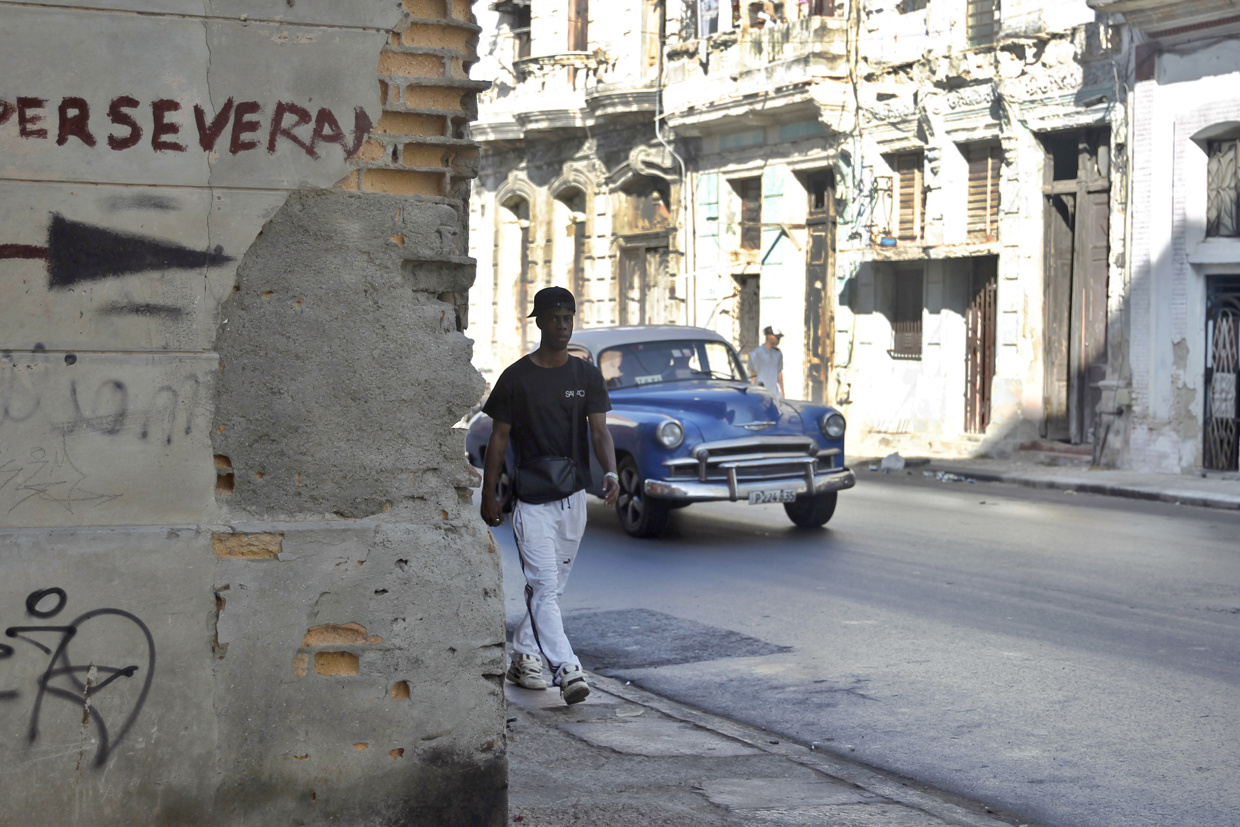
Cuba has been going through a deep energy crisis since mid-2024, but the oil siege imposed by the US Government since January has increased blackouts, completely paralyzing the economy and triggering social unrest.
Since the island began to regularly disseminate energy statistics in 2022, the largest blackout had been recorded on January 30, when 63% of the country was simultaneously without power, notes the Spanish agency. The 20-hour daily cuts have been widespread in large areas of the country.
The Government has implemented a tough package of emergency measures to try to survive without oil from abroad, since the island barely produces a third of its energy needs, but that crude oil cannot be refined on the island.
Breakdowns or maintenance
Currently, eight of the 16 operational thermoelectric production units remain out of service due to breakdowns or maintenance. This energy source represents on average around 40% of the energy mix in Cuba, he points out. EFE.
These effects are not linked to the US oil blockade, but to the conditions in which the obsolete thermoelectric plants operate, which suffer decades of exploitation and a chronic deficit in maintenance investments.
The so-called distributed generation (engines powered by diesel and fuel oil) is responsible for another 40% of the mix, which has been completely stopped since January due to lack of fuel, as the Government has acknowledged.
Independent experts indicate that the energy crisis in Cuba responds to chronic underfinancing of this sector, completely in the hands of the State since the triumph of the revolution in 1959. The Cuban Government highlights the impact of US sanctions on this industry and accuses Washington of “energy asphyxiation.”
Cuba will suffer simultaneous blackouts this Sunday in almost 60% of the country
Several independent calculations estimate that between 8,000 and 10,000 million dollars would be needed to clean up the electrical system.
Prolonged daily blackouts weigh on the economy, which has contracted more than 15% since 2020, according to official figures. Furthermore, they have been the trigger for the main social protests in recent years, points out the Spanish agency.