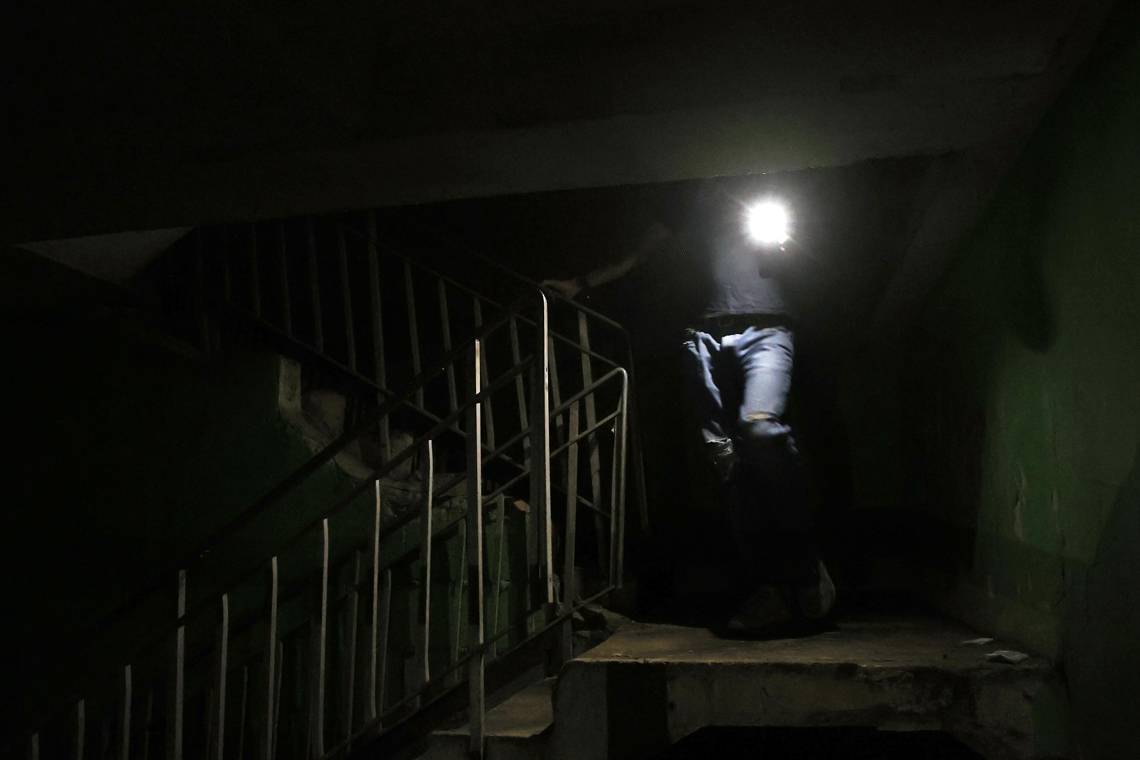
This Sunday, scheduled blackouts will simultaneously leave 53% of the Cuban territory without electricity supply during “peak” hours—the time of greatest energy demand—reported the state-run Unión Eléctrica (UNE) based on its estimates prepared for EFE.
The energy crisis that the island has been going through since mid-2024 has worsened in recent weeks after the interruption of oil supplies from Venezuela, the main supplier of fuel for the Cuban electrical system, after political changes in that country and the restrictions imposed by the United States.
According to the UNE, for the afternoon–night of this Sunday the available generation capacity will be 1,532 megawatts (MW) compared to a maximum demand of 3,180 MW, which represents a deficit of 1,648 MW. To avoid disorderly blackouts, the company estimates that it will disconnect 1,678 MW of scheduled consumption.
This Sunday’s figures occur in the midst of the worst energy scenario in recent years. The largest simultaneous blackout recorded since the Electrical Union began publishing data regularly in 2022 occurred on January 31, when the impact reached 63% of the country.
The increase in prolonged outages—which in many areas exceed 20 hours a day—reflects the combination of factors that affect the national electrical system: the lack of fuel for the distributed generation units, which represent around 40% of the energy matrix and have been inactive for months, and the numerous breakdowns and maintenance in obsolete thermoelectric plants that operate with decades of operation and scarce investment resources.
In addition to fuel rationing measures, the Cuban Government has implemented an emergency plan that includes the promotion of teleworking and blended classes at universities, as well as the suspension of cultural events and international conferences, such as the Havana Book Fair, with the aim of reducing energy consumption.
Independent experts point out that the crisis largely responds to chronic underfinancing of the electricity sector, aggravated by a lack of investment and dependence on fuel imports, although the Cuban Government attributes the deterioration to sanctions and the impact of the US blockade on the energy industry.
The persistent problem of blackouts has had significant effects on the economy and daily life, in a context in which the Cuban economy has shown contractions and the population faces increasing restrictions on basic services and transportation.