By Jorge López-TelloPrincipal investigator of the Cesar Namela program, Autonomous University of Madrid
Imagine an epic fight, but not in a stadium full of lights, but within the human body. In a Ring Tiny, two forces face a biological duel: the mother and father. Or, rather, its genes. The placenta is the quadrilateral where this silent struggle is fought, and its result will determine the fate of the future baby.
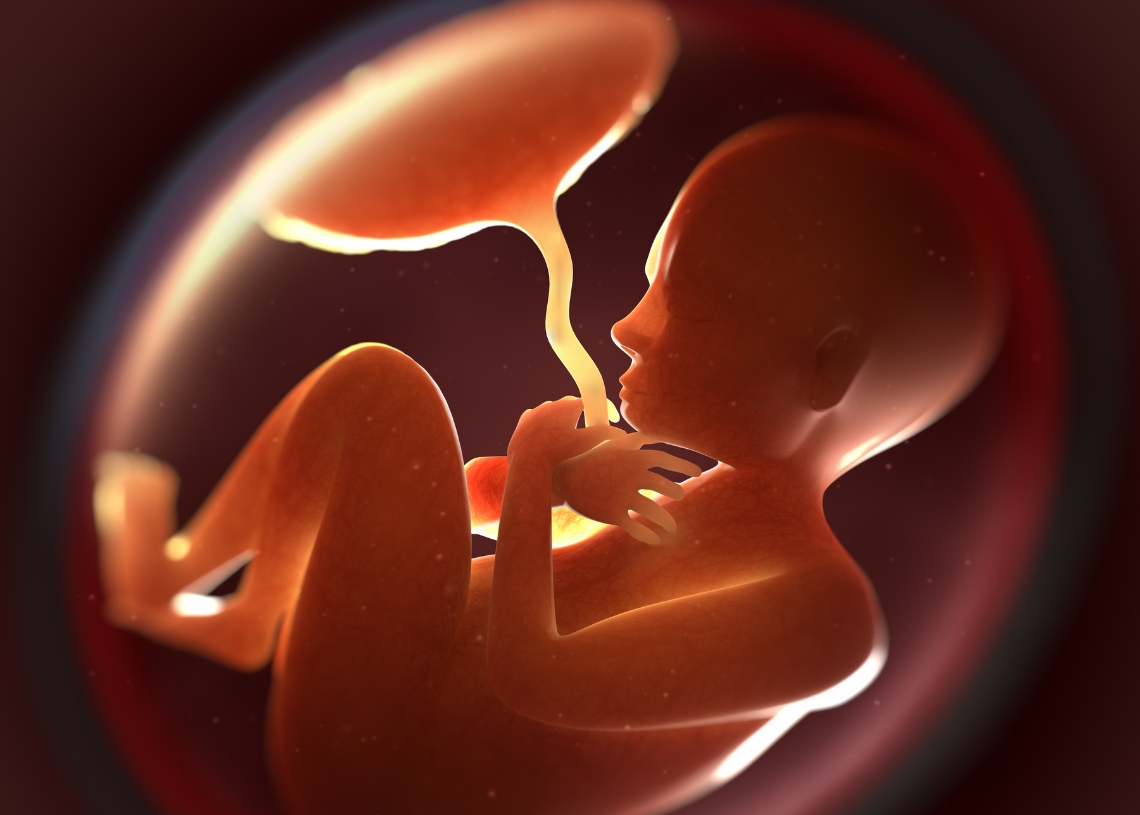
Despite its ephemeral existence, The placenta is a multitasking organ. Its main function is to supply the fetus with oxygen and nutrients, in addition to producing hormones that transform maternal metabolism to sustain pregnancy. Without it, mammals – including humans – could not exist. However, it remains one of the most mysterious and less understood organs of our body.
The placenta comes from the genetic material of both parents, which means that it must balance two opposite interests. While the paternal genes seek to extract the most resources of the mother to guarantee the best nutrition of the fetus, maternal genes try to regulate this consumption so as not to exhaust their own reserves, ensuring their survival and the possibility of future pregnancies.
This intriguing power game is mediated by the genes of Genetic imprint, that act according to their parental origin. To date, they have identified more than 100 genes of this type in the placenta.
Warming prior to combat
Before climbing Ringboxers prepare physically and mentally. The same happens in gestation, only here the preparation begins even before conception. Various studies have shown that pollution, A diet rich in fats and sugarshe stress either The age of the parents They can affect the growth and functioning of the placenta, directly impacting fetal development.
But the story does not end there: the Mother’s intestinal microbiota and The father They also play a key role in placental health. And if you believe that the decisions of past generations are not important, think twice: epigenetics shows us that the inheritance of our grandparents can influence our reproductive capacity, even affecting our grandchildren. In this fight, the past also has its impact on the present.
First assault: the implementation
The first assault is key in any fight: boxers tanta the land and establish their strategy. In pregnancy, this crucial moment is the implementation of the embryo in the uterus.
Here the trophoblasts, specialized cells of the placenta that must meticulously regulate this process come into play. If something fails, complications such as placenta Accreta(The placenta adheres abnormally deep to the wall of the uterus), embryonic loss or preeclampsiaa dangerous disorder linked to maternal hypertension.
In order for the implementation to occur successfully, it is essential that the maternal immune system does not reject the embryo, which is partly a “strange” due to its paternal genetic load. It is a delicate game of tolerance and invasion, where the placenta must find the perfect balance to adhere enough without becoming a danger to the mother.
The fight itself: the development of pregnancy
In each assault, boxers must adjust their strategy, and the same happens in pregnancy. In the early stages, the mother accumulates energy reserves, but as the fetus grows and demands more nutrients, her metabolism must adapt rapidly. A mismatch in this balance can cause conditions such as gestational diabeteswhich affects approximately 12 % of women in Spain.
Researchers at the University of Cambridge discovered a surprising mechanism in pregnant mice: when the Paternal IgF2 imprint gene in the endocrine cells of the placenta, the mothers showed a metabolism similar to that of non -pregnant ones. As a consequence, The fetuses had low glucose levels and were smaller.
In humans, an overexpression of that same gene can generate the opposite effectexacerbating metabolic changes in the mother and increasing the risk of gestational diabetes. It is a balance game where any alteration can tip the balance in a dangerous way.
But the placenta not only manages energy resources: it also acts as a protective shield. It is able to filter many harmful compounds that could affect the baby, such as some toxins and pathogens. However, it is not infallible. Substances like Alcohol, Nicotine and certain drugs They can cross it and affect fetal development, which reinforces the importance of maternal care during pregnancy.
After combat: recovery and consequences
After an intense fight, boxers need time to heal and regain strength. The same goes for the mother after childbirth: her body must readjust, either for breastfeeding or to return to her previous state. However, some sequelae can remain. Metabolic and hormonal changes during pregnancy can leave invisible scars, increasing the risk of developing Type 2 diabetes, hypertension either postpartum depression.
The baby does not come out unharmed from this fight. If its intrauterine environment was not optimal, it can face more likely to suffer from diseases such as cancer, schizophrenia, obesity either hypertension In adulthood. What happens in those nine months leaves traces that can last a lifetime.
The placenta: much more than a passenger fashion
In recent years, the placenta has captured media attention, either because some celebrities claim to consume it for rejuvenating purposes or because certain groups have incorporated it into spiritual rituals.
But beyond these fashions, this organ is a true biological history book: in its cells key information about our health, our past and our future is hidden. Understanding its functioning will not only help us prevent diseases in the mother and the baby, but could transform the way we understand human reproduction.
After all, in the Ring From life, the placenta is the silent referee who decides the fate of each new human being. It may be time to give him the prominence that he deserves and unravels all the secrets he hides inside.
Jorge López-Tello He is the principal investigator of the Cesar Namela program, Autonomous University of Madrid
This article was published in The conversation. Read The original.