Havana/The Cuban authorities insist on their desire to accuse external forces of being behind the expansion of drugs on the island. This time, they found the pretext in an operation, announced this Friday, against an alleged network dedicated to producing and distributing chemical, the synthetic cannabinoid that has become the drug with the greatest impact among young Cubans.
According to official media, the criminal network is directed from Florida and employs residents on the Island as distributors, a scheme that coincides with the recent official strategy of attributing the increase in consumption to “external influences.”
Arnaldo Ramos, section head of the Specialized Criminal Investigation Body of the Ministry of the Interior, assured on state television that the narcotics – a mixture processed as cream – entered Cuba through “illegal air parcels”, camouflaged in containers of yogurt, gelatin, food supplements and medicines. The official insisted that Havana has “timely” informed Washington about individuals in the United States who are supposedly trying to promote trafficking on the Island, although “the cases remain unanswered.”
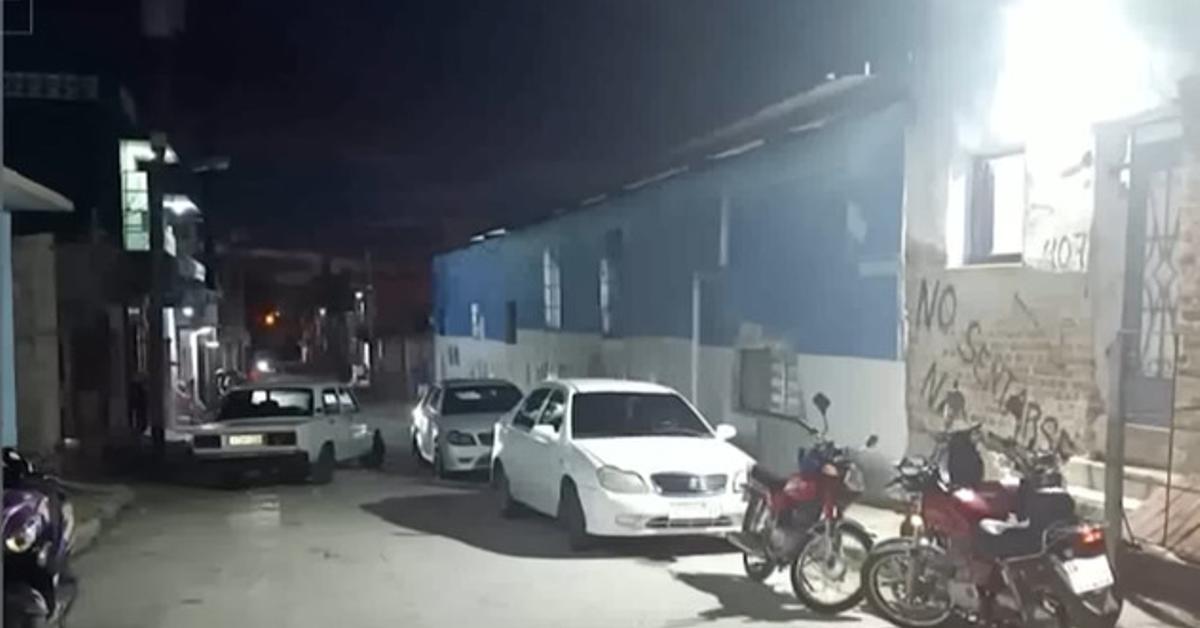
According to official media, the alleged drug trafficking network would be directed from Florida
The explanation occurs in a context in which the Government itself has had to recognize, for the first time in years, that the consumption of synthetic drugs has diversified and expandedwith special incidence among teenagers and twenty-somethings. The most recent reports speak of a growing market for variants of the chemicalmade with imported substances and clandestinely processed in private homes, a phenomenon that the authorities had silenced until very recently.
In the operation disclosed this week, the head of the Anti-Drug Body, Yoan Saporta, reported the arrest of 24 people prosecuted for crimes linked to drug trafficking. In addition to the drugs, syringes, gloves, trays, masks and acetone were seized, the latter considered one of the basic supplies for the preparation of the drug. chemical. Homes, vehicles and 11 million pesos were also confiscated, a sum that, at the official exchange rate, would be equivalent to 91,600 dollars, although in the informal market it would barely exceed 25,000.
The operation is presented as part of the “zero tolerance policy” reiterated by senior government officials at the beginning of December, when they denied that Cuba is a producing or transit country for narcotics. He official speech It coincides with the reinforced military deployment of the United States in the Caribbean to combat drug trafficking, a role that Havana links to geopolitical pressures on allied governments, especially that of Nicolás Maduro in Venezuela.
Within this policy of firmness, the courts have multiplied “exemplary trials”, a practice that the official media has frequently disseminated this last year. In one of the most recent cases, a young man was condemned to 15 years in prison for the possession and sale of small quantities of illicit substances, a sentence that contrasts with international standards and that reveals the harsh punitive nature of the new Penal Code, which establishes punishments of between 4 and 30 years, life imprisonment and even the death penalty.
Although they have recognized – belatedly – the rise of drugs, the authorities do not hesitate to suppress to independent journalists who investigate cases outside the ruling party. The Ministry of the Interior insists on presenting each operation as a decisive blow to drug trafficking, while the expansion of synthetic drugs reveals a less controlled reality than the official discourse admits.