A decree published this Thursday, December 18 in the Official Gazette of the Federation (DOF) announces the declaration of public utility for the recovery of more than 9 hectares of private land located within the polygonal of the archaeological zone of Toniná, in Chiapas, and will put an end to the closure of the site, which has remained closed since 2023.
The Ministry of Culture issued a statement explaining that the measure, by order of the president of Mexico, Claudia Sheinbaum Pardo, and the secretary herself, Claudia Curiel de Icaza, “seeks to guarantee the free movement of public visits to the heritage site, located in the municipality of Ocosingo.
With this measure, managed by the National Institute of Anthropology and History (INAH), “research, conservation, technical and legal protection will be promoted, as well as the dissemination of one of the most outstanding pre-Columbian settlements in our country, known in ancient times as Po or Popo, as proven by the hieroglyphic manifestations found inside.”
Claudia Curiel de Icaza expressed that this determination is “an act of historical justice and recognition of our memory and identity.”
The tallest pyramid
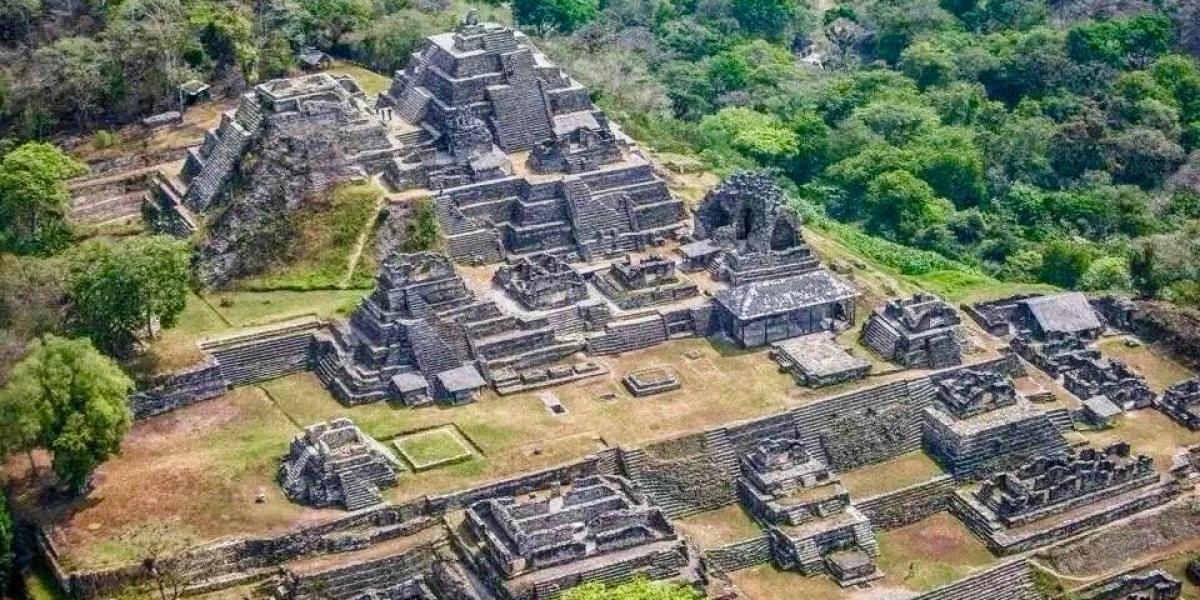
Toniná is one of the most significant Mayan ceremonial centers. It stands out for its complex architecture, its vertical urban development and the richness of its sculptural record and all the symbols it contains. It is recognized for housing the tallest pyramid structure in Mexico, with 75 meters above the lower basement and 320 meters of façade.
The tallest pyramid of the Mayan culture.
Its peak period occurred around the 7th to 9th centuries, and there is written evidence of its existence from the end of the 6th century, specifically from the year 593, which corresponds to the first calendrical inscription identified in the area.
The archaeological zone has been closed to the public since September 2023, so its upcoming reopening also has a positive impact on the surrounding communities, by laying the foundations for socially responsible use of cultural heritage, through sustainable tourism projects, the authorities specified.
Likewise, the objective of the measure stands out to provide the possibility for the native communities neighboring the archaeological zone to continue carrying out ceremonies and rituals that, within their worldviews, link their ancestors with the site, to which they go to make requests during the rainy and harvest seasons.