A call lasting less than 15 minutes left the Venezuelan leader with fewer options to agree to his departure from power. Washington denied amnesty, suspension of sanctions and an interim government headed by Delcy Rodríguez, according to the Reuters agency in a report published this Monday.
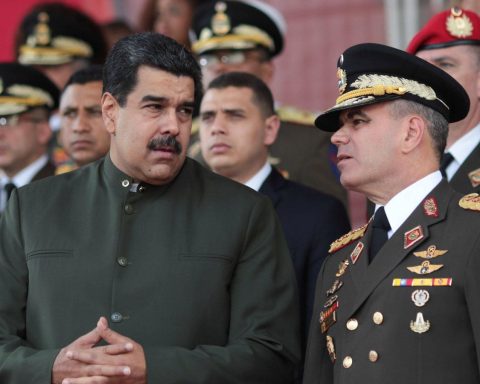
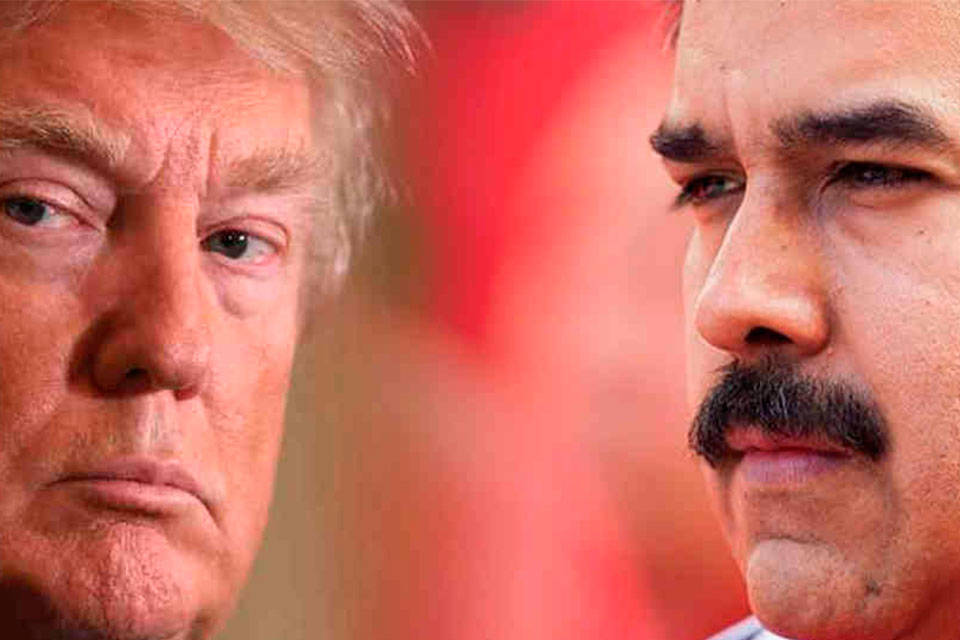
Nicolás Maduro’s room for maneuver to achieve a negotiated exit was reduced after a phone call with US President Donald Trump on November 21, in which Washington rejected most of his requests, according to four sources. cited by Reuters. The conversation occurred amid an increase in US pressure, which includes attacks against vessels accused of drug trafficking in the Caribbean and threats to expand military operations into Venezuelan territory.
According to these sources, Maduro expressed his willingness to leave Venezuela provided that he and his family received full legal amnesty, the lifting of US sanctions and the closure of the case he faces before the International Criminal Court. He also asked that sanctions be eliminated against more than one hundred officials linked to his administration, several of them accused by Washington of human rights violations, corruption or drug trafficking.
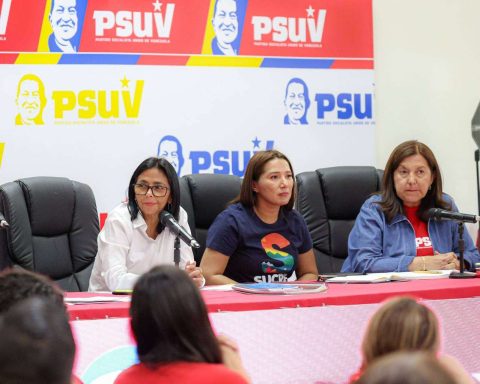
Another point raised in the conversation, according to two of the sources, was the proposal of that Vice President Delcy Rodríguez assumed an interim government that would organize new elections. Trump rejected this request, as well as most of the proposals raised by the Venezuelan president.
The call, which lasted less than 15 minutes, concluded with a warning: Trump informed Maduro that he had one week to leave the country for the destination he chose with his family. The period expired on Friday, November 28 and, according to two of the sources consulted, led to Trump’s announcement of the closure of Venezuelan airspace on Saturday. Previous details of the conversation had already been reported by Miami Heraldbut the deadline was not publicly known.
The US president confirmed on Sunday that he spoke with Maduro, although he did not offer details. The White House declined to provide further information, while the Venezuelan Ministry of Communication did not immediately respond to requests for comment from the agency.
The United States has reiterated that it does not recognize Maduro as legitimate president since his re-election in 2024a process that both Washington and several Western governments considered fraudulent. Independent observers maintain that the opposition won a large victory in those elections.
At a rally held on Monday, Maduro declared his “absolute loyalty” to the Venezuelan people. Meanwhile, sources consulted by the agency indicated that it is still not clear whether a new proposal on a possible safe passage can be proposed. A senior US official confirmed that Trump reviewed the Venezuelan issue in a meeting with advisers, although no decisions were specified.
Another informant with knowledge of internal discussions in Washington did not completely rule out a negotiated exit for Maduro, but stressed that important discrepancies and several unresolved issues persist. The United States also maintains a reward of 50 million dollars for information leading to the capture of Maduro, and offers 25 million for other high officials, including the Minister of the Interior, Diosdado Cabello. They have all denied the allegations.
According to three of the sources, the Venezuelan administration requested a new call with Trump.
*Journalism in Venezuela is carried out in a hostile environment for the press with dozens of legal instruments in place to punish the word, especially the laws “against hate”, “against fascism” and “against the blockade.” This content was written taking into consideration the threats and limits that, consequently, have been imposed on the dissemination of information from within the country.
Post Views: 375