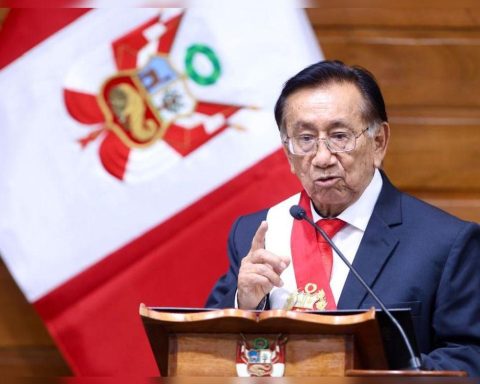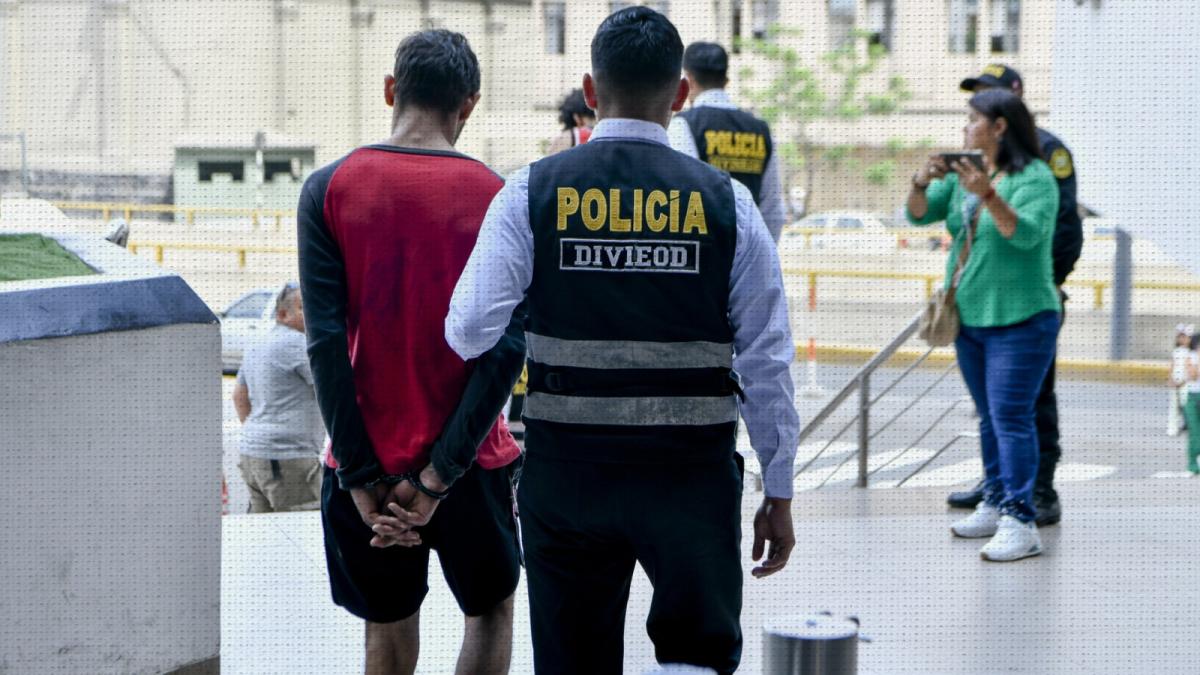
He Constitutional Court (TC) declared unconstitutional Law No. 32330, a rule that had been approved by the Congress of the Republic and provided that adolescents aged 16 and 17 could be criminally prosecuted as adults when they committed certain serious crimes.
The decision of the highest body of constitutional interpretation is based on the fact that said law contravenes the Political Constitution of Peru, as well as international human rights standards to which the country is obliged.
Law No. 32330, published in the official newspaper El Peruano on May 10, 2025, had modified the Penal Code and the Code of Criminal Responsibility for Adolescents to consider 16- and 17-year-olds who commit crimes such as terrorism, homicide, extortion, hitmen, aggravated robbery, illicit drug trafficking and rape, among others.
TC arguments
In its resolution, the TC agreed with the unconstitutionality demands presented by the Judiciary, the Ombudsman’s Office, the Public Ministry and the Ayacucho Bar Association, which maintained that the norm violates the principle of special protection enshrined in both the Constitution and the Convention on the Rights of the Child, an international instrument ratified by Peru that establishes that adolescents must be treated differently from adults in criminal matters.
The central basis of the ruling indicates that the challenged law unjustifiably equated adolescents with adults, erasing the specialized criminal treatment contemplated by the Peruvian juvenile justice system. The TC highlighted that international standards and the Magna Carta itself require that juvenile justice have a restorative and educational approach, aimed at the reintegration and comprehensive development of girls, boys and adolescents, instead of an ordinary punitive approach.
Likewise, the Court observed that the law contravened the right to equality before the law and the best interests of the child, in addition to failing the proportionality test, by imposing more severe sanctions without demonstrating that such measures were necessary or appropriate for the protection of society or the minors themselves.
Accumulated demands
The unconstitutionality lawsuit presented by the Attorney General, Delia Espinoza Valenzuela, and others filed by institutions such as the Ombudsman’s Office and the Ayacucho Bar Association, were accumulated and analyzed by the TC in a public hearing. During the process, the Judiciary argued that the rule was incompatible with Article 4 of the Constitution, which establishes the State’s obligation to provide special protection to adolescents, and that the reform represented a setback in terms of fundamental rights.
Furthermore, the Ombudsman’s Office highlighted that these types of measures should be evaluated based on technical and scientific evidence, including evolutionary psychology and international standards, before legislating on criminal responsibility for minors.
With this ruling, Law 32330 will have no effect in the legal system, and the juvenile criminal system must continue to apply exclusively to people under 18 years of age, with the mechanisms of restorative justice and socio-educational measures under the Code of Criminal Responsibility for Adolescents. Experts maintain that this approach is consistent with the country’s international obligations and with best practices regarding children’s rights.
RECOMMENDED VIDEO