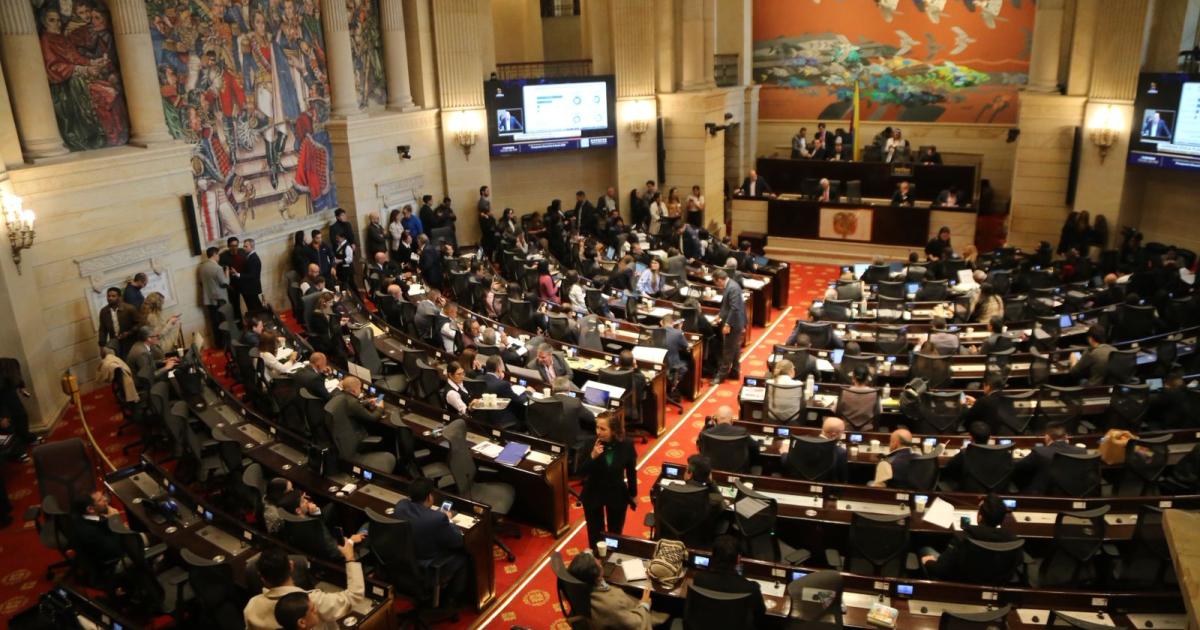
The Government seeks to raise 16.3 billion with the tax reform that will finance the 2026 Budget.
He Government and Congress advance in the discussion of tax reformwhich seeks to secure resources for next year’s Budget. The proposal includes adjustments after the consensus reached with political and business sectors and proposes changes in taxes on products, high incomes and imports.
The tax reform presented by the Government aims to raise 16.3 billion pesos to finance the General Budget of the Nation for 2026which amounts to 546.9 billion.
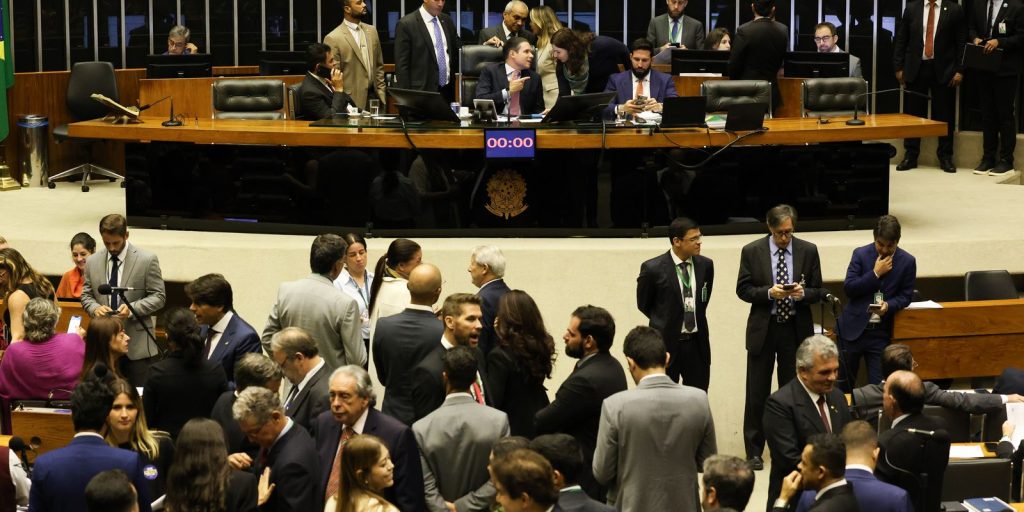
The Third Commission of the House of Representatives reported that the presentation for the first debate must be ready in the first two weeks of November, after receiving the official communication on October 30.
You may be interested in: She is Alexa Torrex, the new confirmed from La Casa de los Famosos Colombia
In conversations with congressmen, The Government agreed to withdraw VAT on beer, in the midst of the 10 billion cut agreed to adjust the scope of the reform. However, representatives of the liquor sector have warned that other products in that productive chain could enter the list of taxed goods, which has generated concern in activities related to commerce, tourism and entertainment.
The director of Prolicores, Catalina Lasso, pointed out that an increase of up to 40% in taxes on alcohol would affect workers in the sector and asked to review the effects of the proposal.
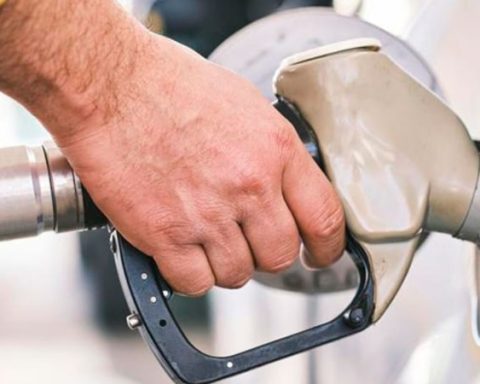
Another of the changes announced by the Executive is the exclusion of VAT on gasoline. The Minister of Finance, Germán Ávila, reiterated that the reform will not modify the prices of essential goods in the family basket. and that the effort will be concentrated on high incomes.
The official also assured that the initiative maintains the progressive approach, with a greater burden on those with a higher payment capacity.
Despite the adjustments, Taxes such as wealth tax, income tax, environmental taxes continue in the text. and the tax on the financial sector. In addition, the proposal includes a VAT of up to 19% for imported products that do not currently pay that tax, a measure that would make foreign items more expensive and modify the conditions of competition with national products.
From economic analysis centers such as Anif, Warnings have been reiterated about the impact of some measures on investment and savings. The think tank pointed out that previous versions of the project proposed changes that could reduce economic dynamism and asked to technically evaluate the effects on companies and consumers.
The Government hopes that the presentation will be ready this month and that Congress votes on the text before the end of the fiscal year. The following sessions will be key to defining whether the agreements reached are maintained and how the taxes that will come into force next year will finally be structured.
More information: Colombian agriculture points to Asia: farmers will participate in the China Import Fair
With the adjustments in progress, The debate focuses on how to balance the need for resources to finance the Budget with the concerns of productive sectors. and the impact on homes and businesses. The next discussions will define the final scope of the tax reform.
Source: Integrated Information System