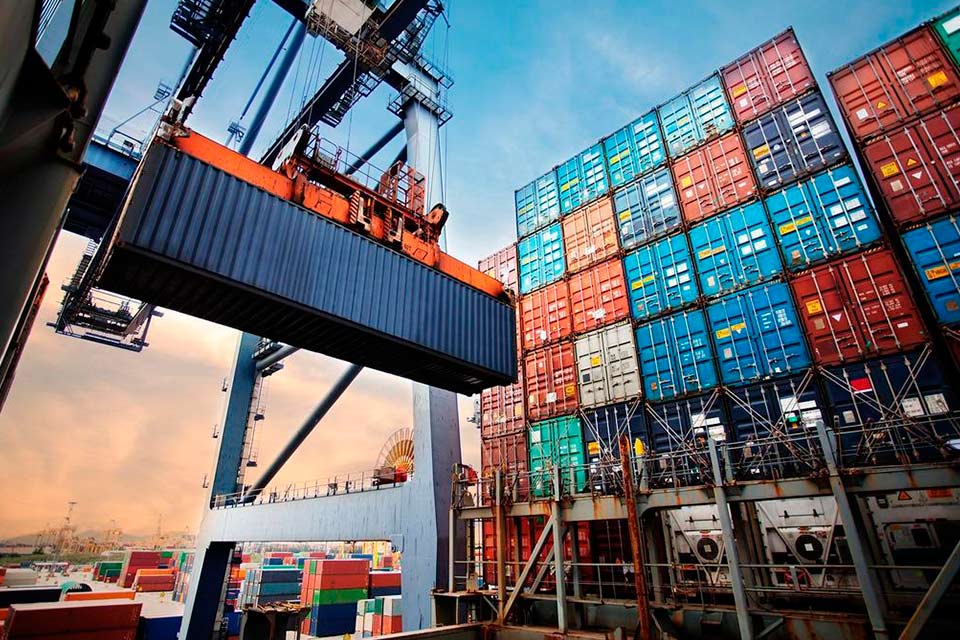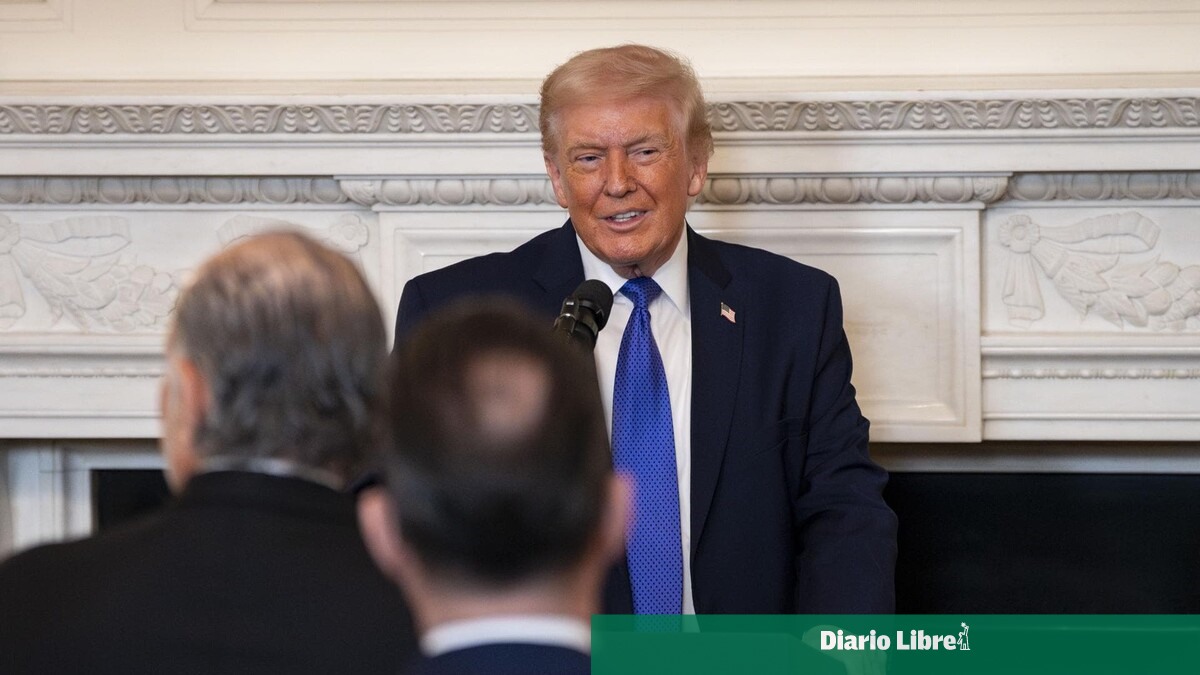
It is a temporary measure and, if you wish to extend it beyond 150 daysmust submit it to the approval of the Congress. With this legal framework, the president of the United States, donald trumpannounced this Friday that he will sign a executive order to impose a 10% global tariff to imports, protected by the Section 122 of the Trade Act of 1974.
The decision comes after the Supreme Court would invalidate most of the commercial liens previously adopted by their Administrationwhich forced the president to resort to a different tool within the US commercial legal framework.
The Section 122 authorizes the president to establish additional tariffs of up to 15% or impose import quotas when there is a serious deficit and persistent in the balance of payments or an economic situation that requires immediate action.
- Unlike other mechanisms used in recent years—such as those based on national security or in unfair business practices—, this provision is conceived as a emergency resource and with defined time limits.
Implications and possible controversies of the global tariff
The regulations establish that restrictions can be maintained for a maximum of 150 days. If the Executive intends to extend them, it must obtain the approval of the Congresswhich introduces a legislative counterweight.
Trump did not specify which countries or sectors would be most impacted by the 10% tariffalthough being a overall measure would reach most of the business partners of the United States.
International trade analysts warn that the use of Section 122 is rare and could lead to new judicial disputesespecially if the economic justification presented by the White House.