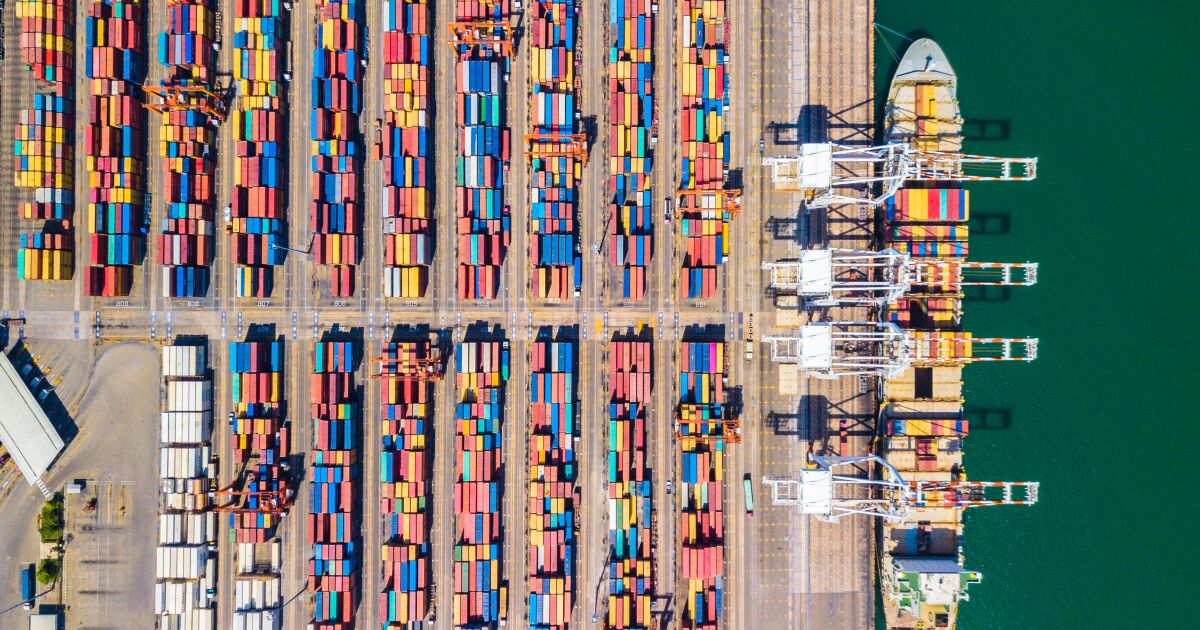
On February 1, Trump announced a 25% tariff on all imports from our country in retaliation for the flow of migrants and drugs. In June he signed a decree that increased tariffs on steel and aluminum imports from 25 to 50 percent. On July 12, he once again announced a 30% tax on Mexico for the flow of illicit drugs to the United States and in December he threatened with a 5% tax if the volume of water established by the 1944 treaty was not delivered to border states.
President Sheinbaum’s intervention has been key to deactivating the coercive measures. In all cases, extensions were established that prevented the implementation of the tariffs, from which those goods with North American content were excluded under the T-MEC.
The offensive and aggressive trade policy deployed by the US president has forced plans in our country to fundamentally change. The Tesla megafactory in Nuevo León, the most talked about project in nearshoringremained in the archivists. In July, Chinese automaker BYD canceled plans to build a manufacturing plant amid geopolitical tensions; He did not even anticipate the place where it would be installed.
As part of a global restructuring, Nissan closed its historic plant in Morelos to move its operations to Aguascalientes. A few days ago, General Motors reported the dismissal of 1,900 employees from its plant in Ramos Arizpe, Coahuila, due to tariffs imposed on the sector. The effects are felt.
The magnitude of Chinese trade and the need to prioritize the market with its North American partners forced a change in inertia. In December, the Chamber of Deputies approved reforms to the General Import and Export Tax Law to impose tariff quotas of 10 to 50 percent on products from countries with which Mexico has not signed a trade agreement, mostly Asian.